Select Language:
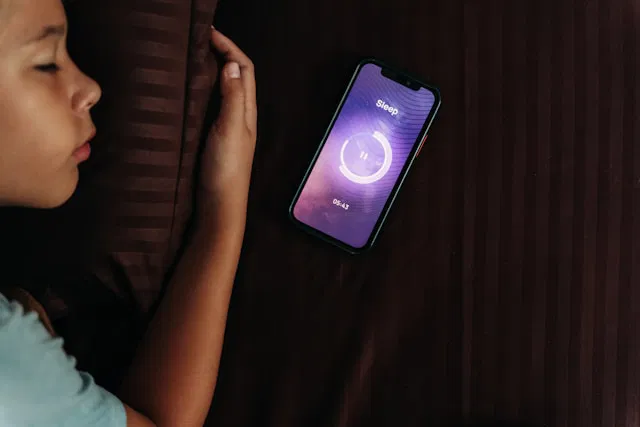
Recent years have seen a rise in the use of sleep-tracking apps, with many individuals turning to these tools to better understand their sleep patterns. These apps, often connected to smartwatches or smartphones, claim to measure sleep duration, how quickly one falls asleep, and the overall quality or restfulness of sleep.
As health and wellness become more prominent, sleep monitoring has gained popularity. People hope that tracking their sleep can lead to feeling more energized and improving overall well-being. However, a recent study conducted by researchers in Norway questions the effectiveness of these apps, indicating they may not always be beneficial—and in some cases, could even worsen sleep, especially for those already dealing with insomnia.
The study was published in Frontiers in Psychology and explores critical issues about how we incorporate technology into our health routines. Led by scientists from the University of Bergen, including Håkon Lundekvam Berge and Karl Erik Lundekvam, the research aimed to understand how users perceive their sleep when using these apps and whether they help or hinder sleep quality.
Surveys involving 1,002 adults from Norway revealed widespread usage: nearly 46% of participants had used or were currently using sleep-tracking apps. Women and individuals under 50 were more likely to use these tools than men and older adults. Many users found some benefits; approximately 15% believed the apps helped improve their sleep, and nearly half appreciated gaining insights into their sleep patterns. Such awareness might encourage healthier habits, like going to bed earlier or reducing screen time before sleep.
Nonetheless, the study identified notable drawbacks. About 17% of users reported increased worry about their sleep because of the data they received. A small portion—around 2.3%—even said their sleep quality worsened overall. The effects appeared more pronounced among younger adults, who were more engaged with technology and more attentive to sleep data.
Particularly concerning is the impact on individuals with existing sleep issues. Those with insomnia symptoms found that detailed sleep data could amplify anxiety and stress, making it harder to fall asleep. This aligns with the concept of “orthosomnia,” a condition where individuals become overly fixated on achieving perfect sleep scores, which ironically worsens their sleep quality by causing increased worry and tension.
The accuracy of sleep apps remains uncertain. Many estimate sleep stages based on movement or heart rate, but these methods don’t always match the precision of clinical sleep studies. As a result, the information provided to users may not perfectly reflect actual sleep quality.
The study also notes limitations, such as reliance on self-reported data, which can be biased or inaccurate, and the fact that participants volunteered, potentially skewing the results toward those already interested in sleep issues.
Despite these considerations, the findings suggest that sleep apps can offer benefits for some but are not universally suitable—particularly for those prone to anxiety about their sleep. The researchers recommend not becoming overly dependent on these digital tools. Instead, paying attention to how you feel during the day and adopting simple sleep habits—like maintaining a consistent bedtime, going to bed when sleepy, and reducing screen time before sleep—may be more effective.
Ultimately, while sleep apps can be useful, they are not a cure-all. For individuals with sleep challenges, especially insomnia, these tools may cause more harm than good. Maintaining healthy routines and focusing on overall lifestyle habits tend to yield better results than obsessing over sleep scores.
For further reading on sleep health, explore articles about foods that promote better sleep, the potential cognitive benefits of a keto diet for sleep loss, and natural methods to enhance sleep quality.
 ChatGPT
 Perplexity
 Gemini AI
 Grok AI