
Select Language:
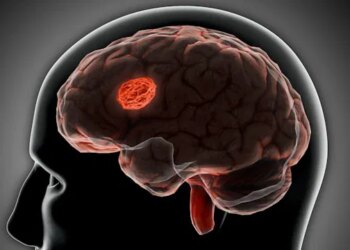
Parkinson’s disease is a chronic condition that impacts the brain, making it harder for individuals to control their movements. It typically begins subtly, with early signs like tremors, muscle stiffness, or balance issues.
As the disease advances, everyday tasks become increasingly challenging. For years, researchers have sought to understand what triggers Parkinson’s, but the complete picture has remained elusive.
Recent studies are shedding new light on how Parkinson’s may start. Instead of focusing solely on the brain, scientists are now exploring the gut—the body system responsible for digestion.
This region hosts trillions of bacteria, many of which are beneficial and support our health. Yet, some bacteria may have harmful effects, and emerging research suggests they could play a role in Parkinson’s development.
A team led by Professor Per Saris at the University of Helsinki discovered a strong link between Parkinson’s and a gut bacteria group called Desulfovibrio.
These bacteria naturally reside in our intestines, with some being harmless. However, certain strains might be damaging and could contribute to the onset of Parkinson’s.
One hallmark of Parkinson’s is the accumulation of a protein called alpha-synuclein in the brain. This protein can form clumps within neurons, disrupting their function and eventually causing cell damage. These clumps are thought to be key contributors to the disease’s symptoms.
The study, published in the journal Frontiers in Cellular and Infection Microbiology, found that Desulfovibrio bacteria from Parkinson’s patients significantly increased alpha-synuclein clumping in lab models.
Conversely, bacteria obtained from healthy individuals didn’t produce the same effect. The harmful strains also generated larger, more toxic protein clumps, indicating they might directly influence disease progression.
This research supports earlier findings from 2021, which observed that individuals with higher levels of Desulfovibrio bacteria often exhibited more severe Parkinson’s symptoms. Subsequent studies from China reinforced these results, strengthening the case for a connection between this bacteria and the disease.
Most Parkinson’s cases aren’t inherited but are believed to be triggered by environmental influences. Exposure to specific harmful bacteria could serve as one of the initiating factors. These discoveries offer a fresh perspective on how Parkinson’s might develop.
Scientists now theorize that harmful Desulfovibrio bacteria could start the disease process in the gut, with protein clumps forming there and then traveling via the vagus nerve to the brain.
This nerve links the gut and brain, transmitting signals between the two. If protein clumps reach the brain, they may continue to grow and spread, contributing to Parkinson’s symptoms.
This insight opens exciting possibilities for future treatments. Instead of solely targeting the brain, doctors may develop strategies to eliminate or reduce harmful bacteria in the gut.
If scientists can identify individuals carrying these detrimental strains, they might be able to intervene early by removing or suppressing them. This could prevent protein clumps from forming, potentially slowing or stopping the disease entirely.
While there’s no cure yet for Parkinson’s, lifestyle choices can influence risk and health. Regular physical activity—like walking, swimming, or biking—helps maintain strength and may support brain health. A balanced diet rich in fruits, vegetables, whole grains, and lean proteins also promotes overall wellness.
Protecting your head from injury is vital, as trauma has been linked to an increased risk of Parkinson’s. Reducing exposure to pesticides and other harmful chemicals might also diminish risk, along with avoiding smoking and excessive alcohol use.
Engaging your mind through mental activities and staying socially connected can benefit brain health. Adequate sleep is essential too, as poor sleep patterns have been associated with a higher likelihood of neurological issues.
Some research suggests vitamins could offer additional support. For instance, vitamin E might protect brain cells, and vitamin D could be beneficial for those already managing Parkinson’s. Still, more investigation is needed to fully understand these effects.
This expanding research is reshaping our understanding of Parkinson’s. The link between gut bacteria and the disease provides new hope for early detection and innovative treatment approaches.
By focusing on both the gut and the brain, scientists may develop future therapies to slow, halt, or even prevent Parkinson’s altogether.
In the meantime, staying informed on these developments and maintaining a healthy lifestyle remain essential. As ongoing research progresses, these insights could lead to breakthroughs that transform patient care and improve countless lives worldwide.
If you’re interested in Parkinson’s prevention, consider exploring studies on how vitamin B may slow cognitive decline and how a Mediterranean diet could reduce disease risk.
Additional information about brain health includes recent findings that blueberry supplements may prevent cognitive decline and that plant-based diets might shield the brain from air pollution effects.
Copyright © 2026 Knowridge Science Report. All rights reserved.
 ChatGPT
 Perplexity
 Gemini AI
 Grok AI