

Select Language:
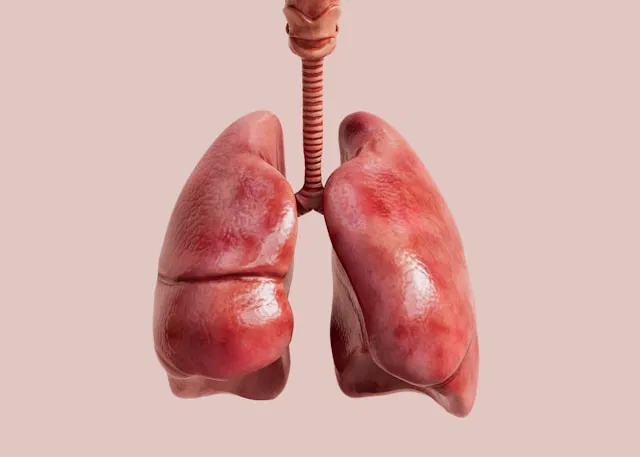
The lungs are vital organs that enable us to breathe, taking in oxygen and releasing carbon dioxide essential for life. Without them, survival is impossible. Recently, doctors documented a truly extraordinary case: a man lived for 48 hours without any lungs.
This case was detailed in a study published in the journal Med by Cell Press. It highlighted how a specialized artificial system was used to keep a patient alive after both lungs were removed, buying enough time for a life-saving lung transplant.
The patient, a 33-year-old man, became critically ill following a bout with the flu. His initial symptoms seemed typical of a common infection, but his condition rapidly worsened. He developed acute respiratory distress syndrome (ARDS), a severe inflammation leading to fluid buildup in the lungs, making breathing extremely difficult.
Complicating his case, a bacterial infection worsened his lung inflammation, causing his lungs to fail. Soon after, his heart and kidneys began to shut down as well. Upon arrival at the hospital, his condition was dire. According to Dr. Ankit Bharat from Northwestern University, his heart had stopped at one point, requiring resuscitation with CPR.
Doctors determined the lungs were too badly damaged to recover. The infection was spreading through his body, making the only option to remove both lungs entirely. This posed a serious dilemma: with no lungs, how could he be kept alive while waiting for suitable donor organs?
To address this challenge, the medical team employed an advanced artificial lung device. This system assumed the critical functions of the lungs, adding oxygen to the blood, removing carbon dioxide, and aiding blood circulation. This support allowed his heart and other organs to function normally, despite the absence of natural lungs.
After the surgical removal of the damaged lungs, remarkable improvement was seen. His blood pressure stabilized, and his other organs began recovering. The removal also halted the infection’s progression, as it was primarily rooted in the lungs.
Within approximately 48 hours, a matching pair of donor lungs became available. Surgeons successfully performed a double lung transplant. More than two years later, the patient remains alive and maintains healthy lung function, living a normal life.
This case has provided valuable insights into the extent of damage that lung infections can cause. Traditionally, lung transplants are reserved for chronic conditions like cystic fibrosis. For severe ARDS, doctors usually support the patient temporarily while waiting for natural recovery. However, the detailed examination of the removed lungs revealed permanent, irreversible damage—significant scarring and immune system damage in the lung tissue—indicating that some lung injuries cannot heal regardless of supportive care.
These findings suggest that in certain critical cases, earlier consideration for transplantation might improve survival chances, as waiting too long might reduce the likelihood of a successful outcome. Currently, such procedures require state-of-the-art hospitals with specialized teams and equipment. Nonetheless, researchers hope that advances in this technology could expand its use in the future, providing a new way to sustain patients awaiting donor lungs.
This discovery underscores both the capabilities and limits of modern medicine. While it exposes the dangers of severe lung infections, it also demonstrates how innovative technology and medical ingenuity can save lives in extreme circumstances. Moving forward, medical practitioners may need to reassess treatment approaches—recognizing when lung damage is irreversible and acting promptly with transplantation.
Ongoing research aims to improve artificial lung systems, making them safer and more accessible. These breakthroughs suggest that earlier intervention and better diagnostics could save more lives in cases of critical lung failure.
If you’re interested in lung health, explore studies on COPD-friendly foods for lung support, as well as the roles of vitamins C and E in fighting lung cancer. Additional research discusses how diet impacts lung health and recommends vegetables that may benefit respiratory function.
© 2026 Knowridge Science Report. All rights reserved.
 ChatGPT
 Perplexity
 Gemini AI
 Grok AI

