
Select Language:
Crohn’s disease is a chronic condition that impacts the digestive tract. It belongs to the family of illnesses called inflammatory bowel diseases (IBD).
Individuals with Crohn’s often experience symptoms such as abdominal pain, diarrhea, fatigue, and unintended weight loss. The illness can flare up periodically, and in more severe cases, it may require long-term treatment or surgery.
The exact cause of Crohn’s remains unclear, but it’s thought to result from a mix of genetic, immune, and environmental factors. Diet is a key environmental element, and many scientists are exploring how the foods we eat daily might influence the risk of developing this disease.
A recent large-scale study published in the American Journal of Gastroenterology, led by Dr. Antoine Meyer at Université Paris-Saclay in France, shed light on this issue.
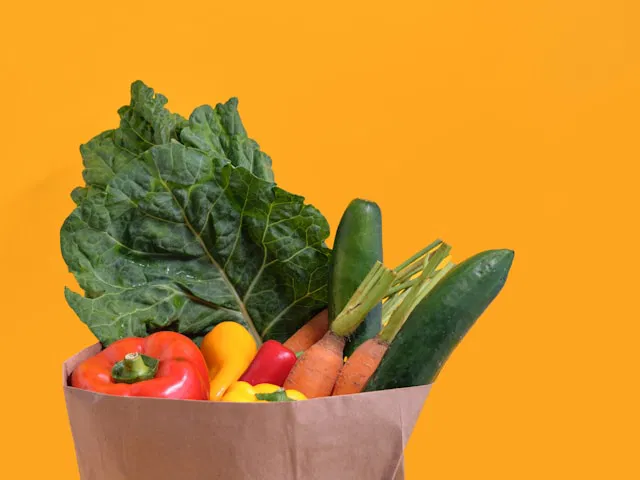
The research examined whether consuming more fruits, vegetables, legumes, and potatoes could influence the likelihood of developing Crohn’s or a related condition called ulcerative colitis.
The study involved over 341,000 participants who filled out detailed questionnaires about their eating habits. Researchers then tracked these individuals for more than 13 years, on average, to see who developed Crohn’s or ulcerative colitis.
The results revealed a noteworthy trend: those with higher consumption of fruits, vegetables, legumes, and potatoes had a significantly lower risk of developing Crohn’s disease compared to those with the lowest intake.
Specifically, individuals with the highest intake were about 56% less likely to develop Crohn’s. This suggests a diet rich in plant foods might help safeguard the digestive system.
Further analysis identified specific foods that appeared particularly protective. Eating apples, pears, bananas, mushrooms, onions, and garlic was associated with a decreased risk of Crohn’s disease. These foods are packed with fiber, vitamins, and natural compounds that can help promote gut health.
Fiber, in particular, plays a crucial role in digestion. It helps keep things moving along the gastrointestinal tract and supports the growth of beneficial gut bacteria.
These beneficial bacteria are vital for immune regulation and inflammation reduction. Since Crohn’s involves inflammation within the digestive system, a fiber-rich diet may provide some degree of protection.
However, the study did not find a similar link between these foods and ulcerative colitis, another form of IBD. This indicates that Crohn’s and ulcerative colitis might have different triggers and might respond differently to dietary changes.
Interestingly, the researchers observed that higher potato consumption was linked to an increased risk of ulcerative colitis. While this does not mean potatoes are inherently harmful, it highlights that some foods might affect the two conditions differently. More research is needed to understand these relationships.
Another key finding was that simply eating a broader variety of fruits, vegetables, legumes, and potatoes did not seem to lower the risk of either disease. It appears that the total quantity of these foods matters more than variety alone.
While these findings are promising, the authors emphasize the need for further studies to confirm their results. This is especially important for individuals at higher risk, such as those with a family history of IBD.
It’s also worth noting that some researchers reported ties with the pharmaceutical industry. Although this doesn’t invalidate the findings, it underscores the importance of independent research to verify these results.
In summary, consuming more fruits, vegetables, and legumes may help reduce the risk of developing Crohn’s disease. Making simple dietary adjustments could promote better gut health, although diet alone isn’t a guarantee against the illness. Continued research will help clarify how food choices can best protect long-term digestive health.
If you’re interested in gut health, explore studies on how probiotics can safeguard your gut and how mycoprotein might reduce bowel cancer risk and enhance gut health.
For additional health insights, check recent research on food additives and their impact on gut health and the best foods for supporting gut health.
© 2026 Knowridge Science Report. All rights reserved.
 ChatGPT
 Perplexity
 Gemini AI
 Grok AI