

Select Language:
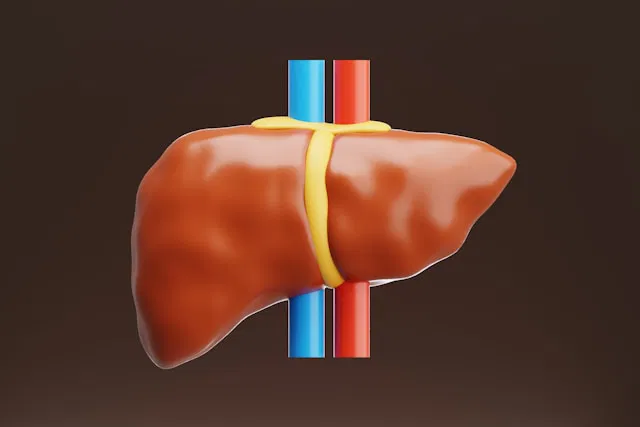
Fatty liver disease occurs when excess fat accumulates in the liver, an essential organ in the body. The liver plays a key role in detoxifying harmful substances in the blood, storing energy, and processing nutrients from food. Initially, fat buildup in the liver often causes no symptoms, but over time, it can cause significant damage and health issues.
Historically, healthcare providers called this condition non-alcoholic fatty liver disease (NAFLD), since the liver’s appearance resembled that of someone consuming excessive alcohol, despite little or no alcohol intake. Recently, experts have adopted a new term: metabolic dysfunction-associated steatotic liver disease, or MASLD, clarifying that the root cause is linked to metabolic issues like obesity, diabetes, high blood pressure, and other metabolic irregularities.
MASLD is widespread, especially in countries such as the U.S., where approximately one in three adults are affected. Without preventative steps or treatment, this prevalence could climb to nearly 40% by 2050. A more severe form, known as metabolic dysfunction-associated steatohepatitis (MASH), impacts around 5 to 6% of adults. MASH features fat buildup accompanied by inflammation and liver cell damage, which can lead to scarring.
Most individuals with MASLD experience no early symptoms, characterizing it as a “silent” illness. When symptoms do emerge, they are usually mild and may include fatigue, mild discomfort on the right side of the abdomen, or a general feeling of being unwell. As the disease progresses, symptoms can become more serious, such as abdominal or leg swelling, yellowing of the skin or eyes, easy bruising or bleeding, confusion, or changes in stool color.
Diagnosis typically involves detecting fat accumulation in the liver and signs of liver damage, especially in those with higher risk factors. Blood tests can evaluate liver enzyme levels and exclude other causes such as viral infections. Imaging procedures like ultrasound, CT scans, or MRI help visualize liver structure and fat deposits. A FibroScan, which measures liver stiffness, can estimate the extent of scarring. In some cases, a liver biopsy may be necessary for more precise assessment.
To evaluate the risk of liver scarring, physicians often use the Fib-4 score, which calculates risk based on age and blood test results. A low score indicates minimal risk, while a higher score suggests the need for further testing or specialist intervention.
Risk factors are linked mainly to obesity, insulin resistance, type 2 diabetes, high blood pressure, and elevated cholesterol or triglycerides. Family history can also influence susceptibility, and both adults and children can develop MASLD.
While there is no cure for MASLD, many individuals can improve their liver health through lifestyle modifications. Adopting a nutritious diet rich in natural, minimally processed foods, maintaining regular physical activity, and losing weight are effective strategies. Managing associated conditions such as diabetes and high cholesterol, along with limiting alcohol consumption, are important steps toward protecting the liver.
For those with the more advanced form—MASH—certain medications have gained approval. Resmetirom, for example, can reduce liver fat and inflammation. Semaglutide, a drug also used for weight loss, has shown promise in improving liver health when combined with diet and exercise. These treatments target more severe disease cases with liver scarring.
Early detection is vital, as many people do not experience symptoms initially. Regular health screenings, especially for at-risk populations, can help identify the disease early. Catching MASLD early offers a chance to slow or reverse liver damage, safeguarding long-term health and avoiding complications like cirrhosis or liver cancer.
MASLD’s increasing prevalence underscores how closely liver health ties to overall metabolic health. Recognizing risk factors, early signs, and adopting healthy habits can significantly protect the liver and enhance overall well-being.
This synthesis is based on the latest scientific research and clinical insights into MASLD, widely discussed in recent scientific studies and health guidelines.
It’s evident that MASLD is a significant public health concern, emphasizing the importance of prevention through lifestyle choices. While advancements in medication provide hope for those with advanced disease, maintaining healthy habits remains essential. Early screening, awareness, and proactive lifestyle adjustments are key strategies to lessen the disease’s long-term impact.
If you’re interested in maintaining a healthy liver, explore studies on simple habits that promote liver health and see how common diabetes medications might help reverse liver inflammation.
Additional information includes research on affordable blood tests to assess fatty liver risk and evidence supporting a green diet’s role in significantly reducing non-alcoholic fatty liver disease.
Copyright © 2026 Knowridge Science Report. All rights reserved.
 ChatGPT
 Perplexity
 Gemini AI
 Grok AI

