Select Language:
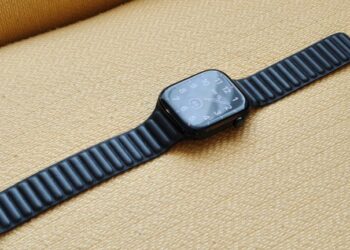
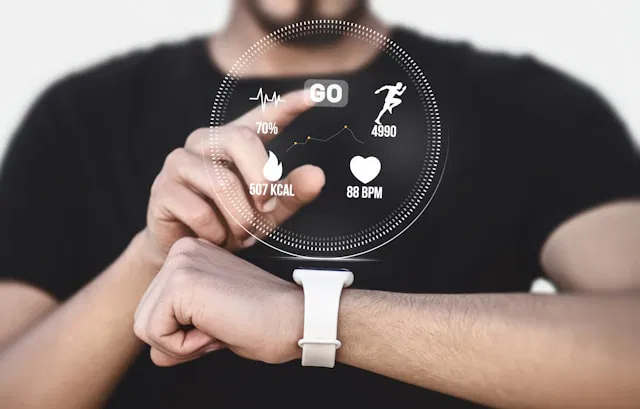
A recent study indicates that a device many individuals already wear daily—a smartwatch—might be able to detect an underlying health issue long before it develops into a serious illness.
Scientists have developed an innovative approach that merges data from wearable gadgets with simple blood tests to identify insulin resistance at an early stage. The findings, published in the journal Nature, suggest this method can be both precise and practical.
Insulin resistance is a widespread problem affecting roughly 20 to 40 percent of the population. It occurs when the body’s cells respond improperly to insulin, a hormone vital for regulating blood sugar. When insulin’s effectiveness drops, blood sugar levels can become unstable, leading over time to prediabetes and eventually type 2 diabetes.
A major challenge with insulin resistance is that it develops quietly, often with no noticeable symptoms in its initial phases. By the time diagnosis occurs, some damage may have already taken place.
This underscores the importance of early detection. The great news is that insulin resistance can typically be reversed with lifestyle modifications such as adopting healthier eating habits, staying active, and managing weight—especially if caught early.
Current detection methods have their drawbacks. The most accurate tests are costly, time-consuming, and not widely accessible. More commonly used tests like fasting blood sugar or HbA1c provide only a quick snapshot and can miss early signs. Consequently, many individuals remain undiagnosed until the condition worsens.
To address this issue, researchers initiated the Wearables for Metabolic Health (WEAR-ME) study. They gathered data from 1,165 participants utilizing smartwatches and standard blood tests.
The smartwatch data included metrics such as heart rate, daily activity, and sleep patterns. Blood tests evaluated cholesterol, glucose, and insulin levels. Participants also completed questionnaires about their health and lifestyles.
Advanced computer models analyzed this rich data set to identify patterns indicative of insulin resistance. To validate their approach, the scientists tested it on an independent group of 72 people.
The results were promising. Combining wearable device data with blood test results enabled the model to predict insulin resistance with high accuracy. When the system was enhanced with a large volume of existing sensor data, its accuracy improved further. This demonstrates that wearable technology can extract valuable insights that go beyond conventional testing.
An intriguing aspect of the research involved the development of an artificial intelligence tool designed to explain the findings simply. This tool interprets blood test results and offers easy-to-understand insights about insulin resistance, making health information more accessible for users.
Doctors with expertise in hormone-related health conditions reviewed this AI tool to ensure its responses were accurate and safe. The feedback was positive, indicating that such tools could empower individuals to better understand their health without requiring extensive medical knowledge.
This novel approach could make screening for insulin resistance much more convenient and accessible. Instead of relying solely on clinical tests, people could use the devices they already own to monitor their health. Early detection could enable timely interventions, potentially preventing the development of more serious conditions.
It’s important to note that this method is still under evaluation. More research is necessary to confirm its effectiveness across larger and more diverse populations. Although promising, it should complement professional medical advice rather than replace it.
Overall, this study points toward an exciting future for healthcare—integrating everyday technology with medical testing to enable earlier diagnosis and better health outcomes for many individuals.
In summary, wearable devices have the potential to revolutionize disease detection and management. While additional research is needed to fully understand its benefits and limitations, the possibility of a smartwatch helping to prevent diabetes is an encouraging development in modern medicine.
If you’re interested in diabetes-related studies, explore topics like the link between cooking potatoes and diabetes and how low-calorie diets may reverse type 2 diabetes.
For more health insights, check out recent research on protein’s role in managing diabetes and how pineapple might impact diabetes.
Copyright © 2026 Knowridge Science Report. All rights reserved.
 ChatGPT
 Perplexity
 Gemini AI
 Grok AI