
Select Language:
High blood pressure is a widespread health concern impacting millions of Americans. It tends to develop gradually and often without obvious symptoms, but if left unmanaged, it can cause heart disease, strokes, and other serious health issues. While medication is common, lifestyle modifications are equally crucial in keeping blood pressure in check.
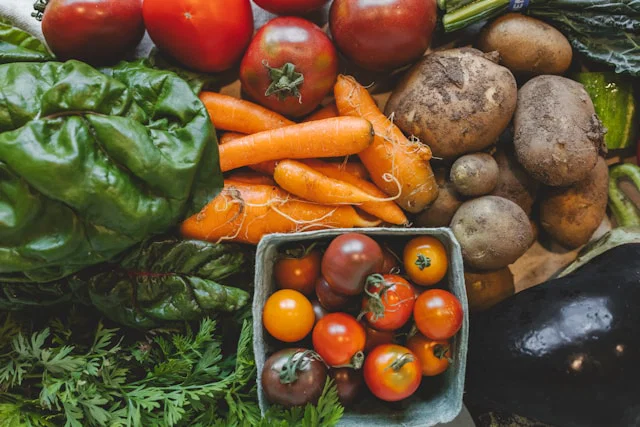
Diet plays a significant role in managing blood pressure. The DASH (Dietary Approaches to Stop Hypertension) diet is highly recommended by health experts. It emphasizes eating abundant fruits, vegetables, whole grains, and low-fat dairy, while minimizing salt and processed foods. Such nutritional choices support heart health and help control hypertension.
A recent study presented at the American College of Cardiology’s Annual Scientific Session examined innovative strategies to promote adherence to the DASH diet. The research targeted Black adults with hypertension living in food deserts—areas lacking access to supermarkets and fresh produce—making healthy eating more challenging.
The study involved 176 participants divided into two groups. One group received home-delivered groceries curated to align with DASH guidelines, accompanied by counseling from dietitians. The other group was provided with financial resources and basic dietary information.
Results after three months revealed that participants who received grocery deliveries experienced more significant improvements. Their blood pressure decreased more than that of the control group, and their bad cholesterol levels also dropped. These health gains are promising because they can reduce the risk of heart attacks, strokes, and other complications.
The findings highlight that providing practical support—such as food delivery and personalized guidance—can be more effective than simply sharing information. When healthy food options are made accessible and convenient, individuals are more likely to make lasting changes.
However, the study has limitations, including its short duration and focus on a specific population. Further research is necessary to determine if these results hold true over longer periods and across diverse groups.
Despite these limitations, the evidence is encouraging. It demonstrates that tangible assistance, like delivering nutritious meals and offering tailored dietary advice, can empower people to improve their health outcomes.
If managing blood pressure is a concern for you, consider reading about medications that may increase the risk of sudden cardiac arrest and exploring teas that could help lower high blood pressure.
For additional insights, check out recent studies on nutrients proven to significantly reduce high blood pressure and innovative antioxidants that may reverse blood vessel aging by up to 20 years.
Source: Harvard Medical School.
 ChatGPT
 Perplexity
 Gemini AI
 Grok AI