Select Language:
While most recognize that heart disease is a serious threat, awareness alone doesn’t always motivate changes in behavior. New research suggests that seeing the issue inside your own body might be the catalyst needed to take preventive action.
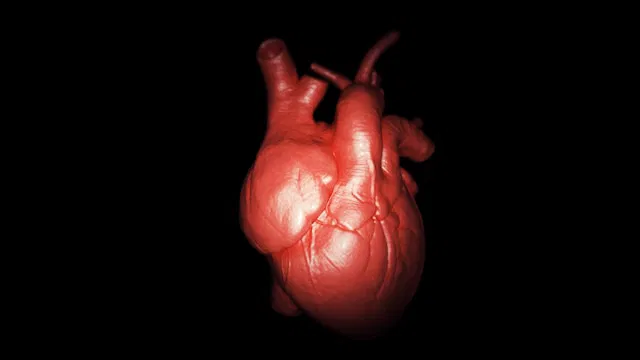
Heart disease occurs when fatty deposits gather inside arteries, gradually hardening into plaque that can limit blood flow. Often, this buildup progresses silently, with no obvious symptoms, until a major event like a heart attack happens.
Doctors typically evaluate risk factors such as cholesterol levels, blood pressure, and family health history. Although these indicators are important, they can feel abstract or distant, making it hard for individuals who feel healthy to see the need for medications or lifestyle adjustments.
Researchers from the University of Tasmania and the Baker Heart and Diabetes Institute aimed to improve communication of this risk. They explored whether showing patients images of their own arterial plaque could influence their health decisions.
The study tracked 258 adults with a family history of heart disease over eight years. Many of these participants were at higher risk but lacked full conviction about the necessity of ongoing treatment.
Participants split into two groups. One received standard care, while the other received extra support, including repeated viewing of coronary artery calcium scans that reveal calcium deposits, a sign of plaque accumulation.
The findings revealed that showing these images had a significant influence. Those who viewed their scans multiple times were much more likely to start and stick with statin therapy. After three years, most remained on their medication.
Even just one viewing of the scan made a difference. Many in the standard care group who saw their images later on began medication at that point, indicating the visual experience was a key motivator.
Participants who saw their artery images also adopted healthier habits. Their cholesterol levels improved, blood pressure was better managed, and their overall heart risk decreased.
The results, published in JACC: Cardiovascular Imaging and led by Professor Tom Marwick, demonstrate that visual tools can be powerful in healthcare settings.
However, the study isn’t without limitations. It doesn’t establish that images alone caused all the positive changes, as ongoing support from healthcare providers may have contributed. Additionally, since the focus was on at-risk individuals, further research is needed to see if this approach benefits the broader population.
Nonetheless, it offers valuable insight: many people find it difficult to act on invisible health risks. Making these risks visible can enhance understanding and prompt swifter action.
This method might be especially helpful for those at moderate risk, where treatment choices aren’t always clear-cut. Viewing actual images of arterial damage can help both patients and doctors make more informed decisions.
Ultimately, the study underscores a simple but impactful idea: when people see what’s happening inside their bodies, they are more inclined to take steps to protect their health.
If you’re interested in heart health, check out studies showing that yogurt may reduce the risk of death from heart disease and that coconut sugar could help lower artery stiffness.
For more health-related insights, consider recent research highlighting how Vitamin D deficiency increases heart disease risk and studies linking Vitamin B6 to a reduced risk of death in heart disease.
Source: University of Tasmania.
 ChatGPT
 Perplexity
 Gemini AI
 Grok AI