Select Language:
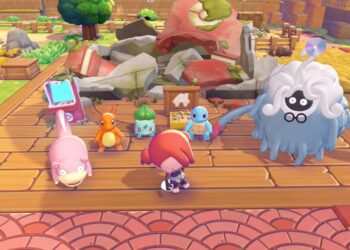
In Pokémon games, Pokémon usually learn moves that they use to attack or gain strategic advantages in battles. However, in Pokémon Pokopia, there is no fighting or battles, so moves are not part of the game. Instead, each Pokémon has “Specialties,” which are specific skills or abilities tied to them. These Specialties are unique moves that each Pokémon knows and have a special purpose.
Specialties are essential for many tasks within the game. Some quests may require your Pokémon to have a certain Specialty to complete them. Additionally, certain habitats cannot be built if there is a Pokémon with a specific Specialty nearby. While they are not used for fighting, you cannot finish the game without them. Here’s what you need to understand about them.
How to Teach Pokémon Specialties
Unlike traditional Pokémon games, there are no Technical Machines (TMs), Hidden Machines (HMs), or leveling up Pokémon to learn new moves. Pokémon do not evolve either; instead, you find and add one of each type. Because of this, Pokémon cannot learn Specialties after you catch them. They start with the Specialty they have when you find them, and these are fixed—specific to the Pokémon’s type and design, not random.
If you need a Pokémon with a particular Specialty, such as Bulldoze, and you don’t have one in your current region, you will need to locate that Pokémon in another region and make it follow you. When you’re done with it, it will return to its natural habitat, so you don’t have to worry about disrupting the game’s ecosystems.
How Many Specialties Are There, and What Do They Do?
There are a total of 31 Specialties in Pokémon Pokopia. Here’s an overview of what each Specialty does and which Pokémon can have them:
| Specialty | What It Does | Earliest Pokémon You Can Find With It |
|---|---|---|
| Burn | Lights candles, activates smelting furnace, turns clay to brick | Charmander |
| Grow | Speeds up growth of crops, flowers, and trees | Bulbasaur |
| Water | Fills water basins, adds bubbles to mud for cleaning | Squirtle |
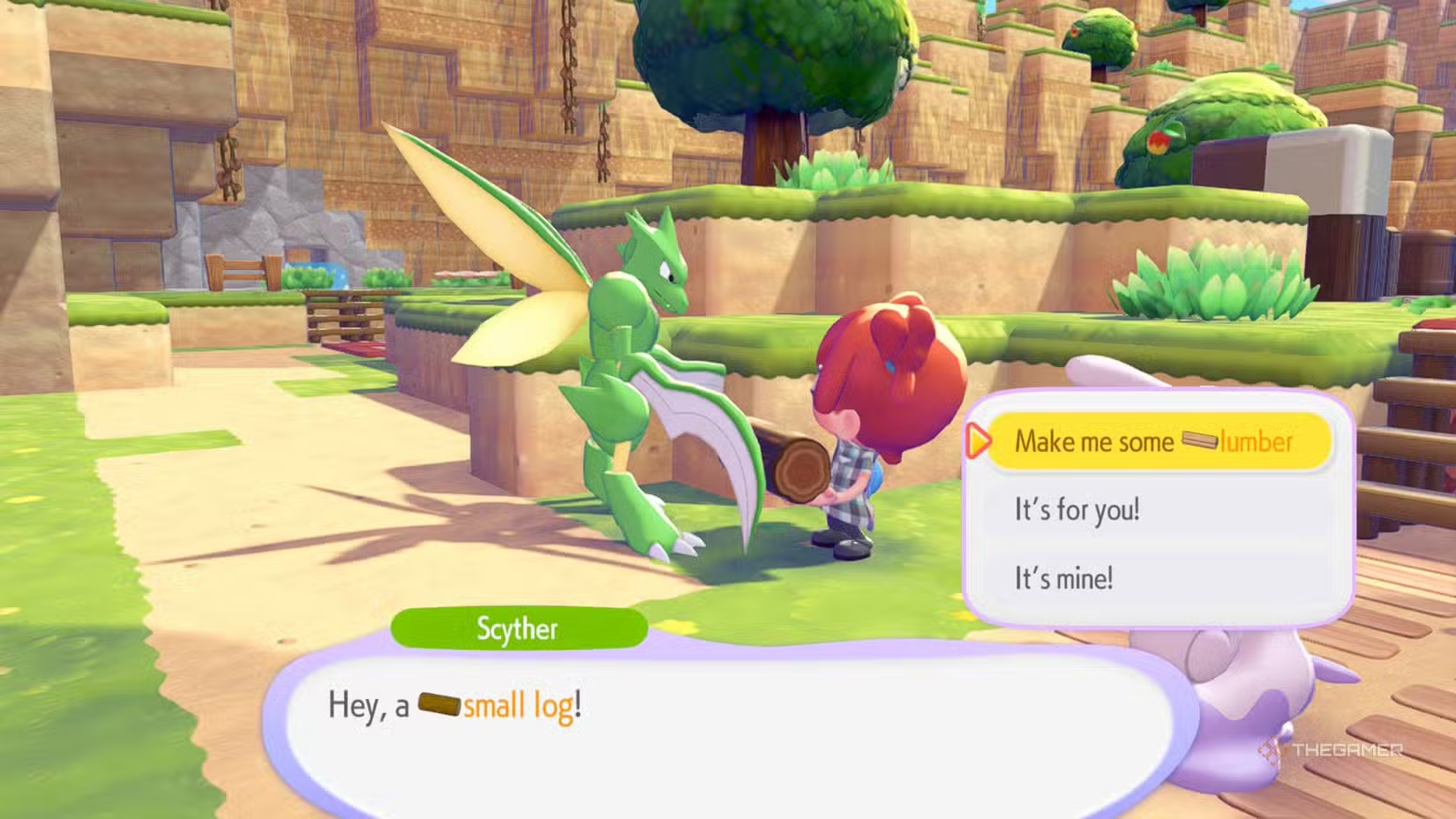
| Chop | Turns small logs into lumber | Scyther, Pinsir, Heracross |
| Build | Needed to construct buildings | Timburr |
| Bulldoze | Needed to build Pokémon Centers | Onix |
| Search | Helps find buried items | Vespiquen |
| Fly | Transports you instantly to another Pokémon location | Pidgey |
| Teleport | Instantly moves you to another Pokémon location | Exeggcute, Slowking |
| Recycle | Converts waste paper into usable paper | Metang |
| Gather | Adds materials to community boxes | Machop, Rolycoly |
| Generate | Turns on electrical devices in habitats | Magneton, Electabuzz, Mareep, Pawmi |
| Crush | Turns berries into paint or limestone into concrete | Onix |
| Litter | Drops resources like fluff near habitats | Bellsprout, Combee |
| Trade | Runs trading stalls at Pokémon centers or marts | Hitmonlee, Hitmonchan, Hoothoot |
| Hype | Dances to music to boost regional mood | Ludicolo |
| Yawn | Tells you the humidity level of an area | Slowpoke |
| Dream Island | Takes you to a special Dream Island with a Poke Doll | Drifloon |
| Gather Honey | Trades honey for rare furniture | Vespiquen |
| Storage | Acts as extra storage for items | Gulpin |
| Explode | Shoots out of cannons to destroy obstacles | Voltorb |
| Collect | Trades in rare items like relics for other rare items | Gimmighoul |
| Appraise | Converts relics into usable items | Tangrowth |
| Illuminate | Brightens an entire region with a Charge Station | Pikachu (Peakychu) |
| Paint | Changes the color or pattern of items | Smeargle |
| Eat | Exchanges food for rare items | Snorlax (Mosslax) |
| Party | Increases the number of meals produced from food | Greedent (Chef Dente) |
| DJ | Plays any discovered music CDs | Rotom (DJ Rotom) |
| Engineer | Speeds up building projects; needed for late-game buildings | Tinkatuff |
| Transform | Turns into other Pokémon to learn their abilities | Ditto (you!) |
| ??? | Unknown | ??? |
Each Specialty serves a specific purpose in building habitats, completing quests, or gathering resources. Unlike moves in regular Pokémon games, Specialties are fixed and tied directly to the Pokémon’s type and design, rather than learned through leveling or items. To acquire a Pokémon with a desired Specialty, you often need to find and catch that Pokémon in the wild or in different regions, then have it follow you for certain tasks before returning it to its natural environment.
 ChatGPT
 Perplexity
 Gemini AI
 Grok AI