Select Language:
During GDC last week, I had the opportunity to try out Potato Kid’s action platformer, Talaka, and spoke with CEO and Game Designer Paulo Santos. The game blends rapid combat with a visually striking world inspired by Brazilian folklore, architecture, and myth. Its smooth movement, tough battles, and expressive pixel art make it a must-see for action game enthusiasts.
In 2014, E-Line Media released Never Alone, developed alongside a poet and storyteller from Iñupiaq and Tlingit communities, shining a spotlight on indigenous Alaskan folklore through a video game. While Talaka isn’t connected to that project, Paulo Santos aimed for it to serve a similar purpose—bringing Brazilian folklore to a broader audience through interactive storytelling.
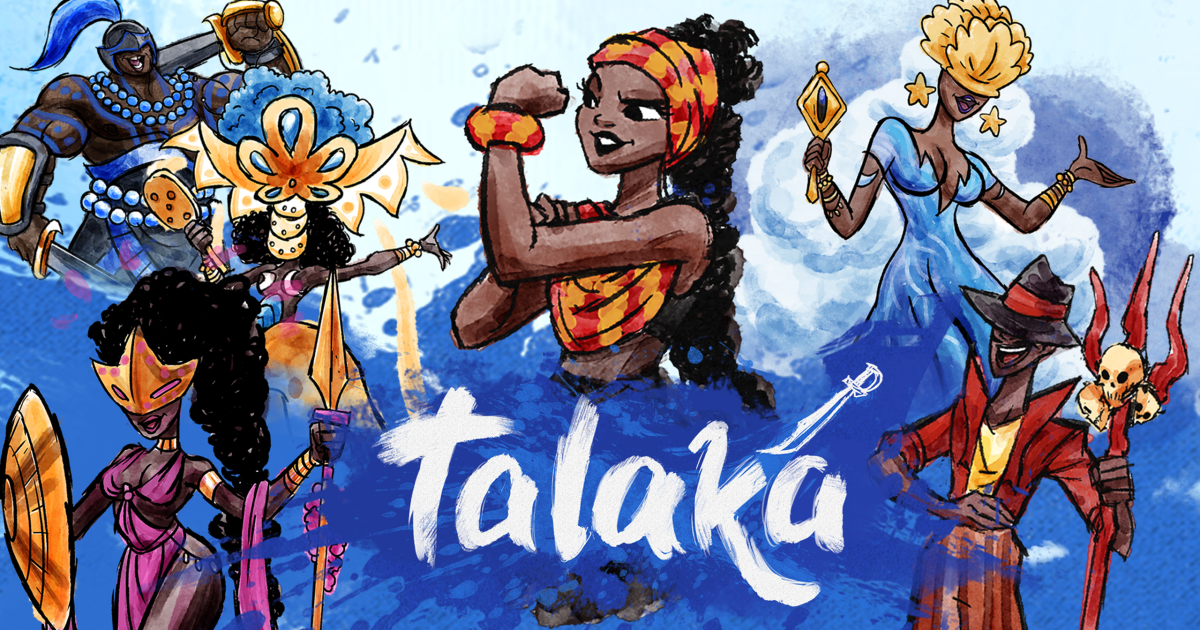
Talaka is a brisk, combat-focused roguelite that vividly depicts Afro-Brazilian myths within a hand-painted, watercolor-inspired world. Players assume the role of a young warrior who once believed in ancient legends—the stories of Orisha gods, mystical beings, and sacred realms. Over time, those myths faded into obscurity, but now, the legends are unraveling, causing chaos and breaking harmony between worlds.
The game’s environments are beautifully crafted, almost entirely hand-painted with vibrant watercolors. Even during frantic combat sequences, everything looked smooth and seamless. It’s being developed for multiple platforms, and the version I tested was running on a high-end laptop. Control schemes adapt based on the connected controller; I switched from an Xbox to a PlayStation controller to better match the on-screen button prompts.
There are 65 different levels built into the game engine. Each time you start a new chapter, the game randomly selects 14 levels from those, creating a fresh experience each time—though each chapter ends at the same boss encounter. This approach offers variety without sacrificing the familiarity of known boss fights, which should make each run an exciting challenge.
Gameplay evokes memories of classic titles like Mega Man, albeit with a distinct soundtrack. You play as a young warrior who initially believed in the ancient myths but has since forgotten them—only to relearn them through battling enemies across the levels. Success relies on learning tactics, with an accessible onboarding to jump straight into the action. During my demo, I was armed with divine weapons and power-ups, maneuvering through levels by throwing bananas and dodging attacks. It was addictive and fun, featuring boss battles that tested my newly acquired skills—evading, parrying, and timing attacks perfectly.
The soundtrack added to the experience, with drums, chants, and melodies created in collaboration with Afro-Brazilian musicians. The music’s tempo rises and falls, hinting at what’s coming next—especially during boss fights, where recognizing patterns in the rhythm often determines success.
Potato Kid has done an impressive job bringing Brazilian myths and legends to life in Talaka. With a planned release in Q2 and a potential demo on the horizon, this game deserves attention from fans of action, mythology, and unique art styles.
 ChatGPT
 Perplexity
 Gemini AI
 Grok AI