Select Language:
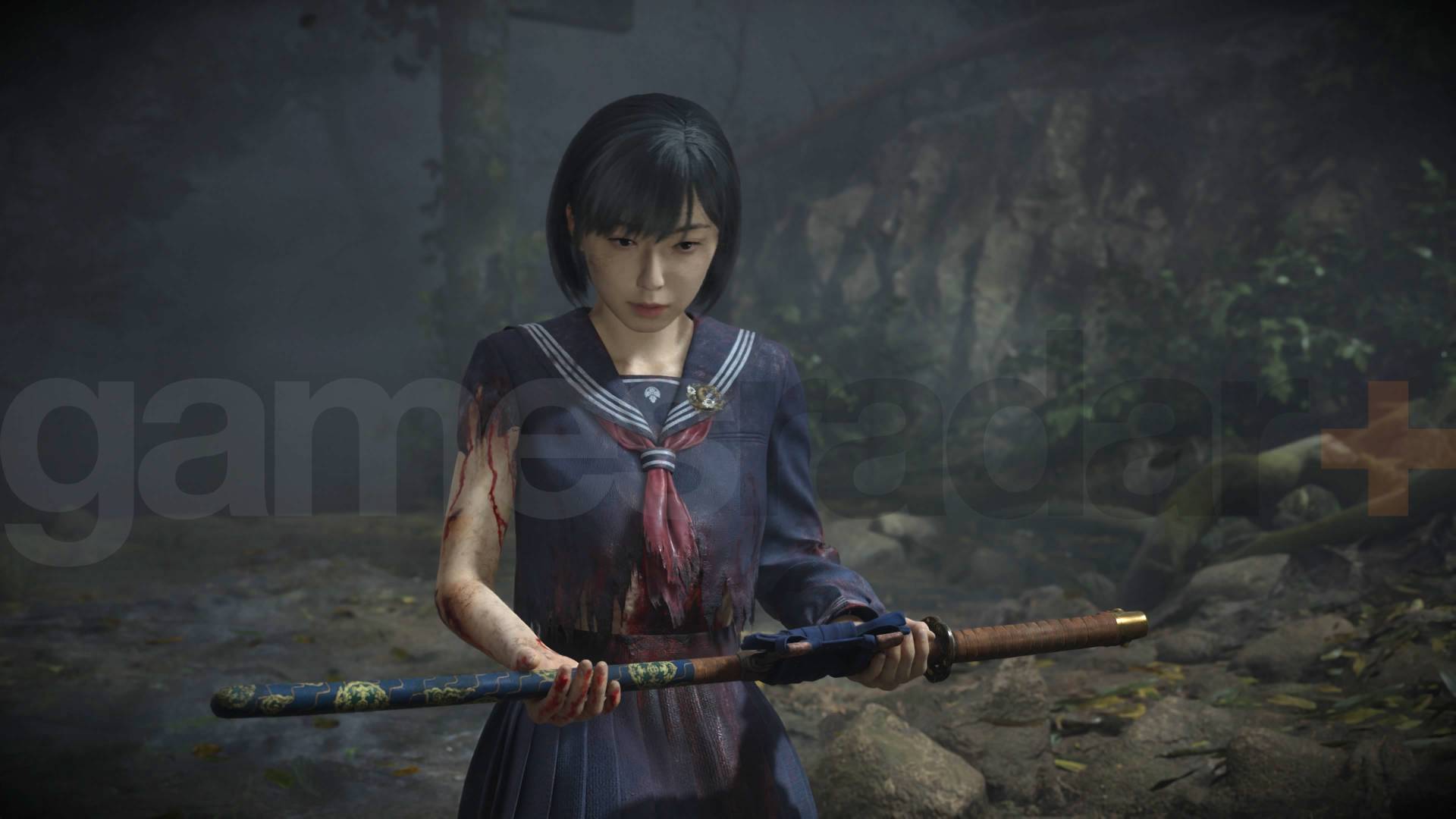
I can’t believe Silent Hill f actually came out after years of no new releases from the series. And honestly, I was surprised at how good it turned out to be, especially after disappointing titles like Message and the odd, unpopular Ascension. But it happened, and it was fantastic—probably my favorite horror game of this year.
What caught me off guard even more was that it’s set in Japan. The series has always been rooted in horror inspired by Midwestern Americana—originally aimed at Western audiences—so switching to a Japanese setting was unexpected, but it worked perfectly.
There are several endings in Silent Hill f, and getting them isn’t easy. The game requires you to meet certain conditions—like having specific endings saved—before unlocking new options. It’s worth replaying because each playthrough offers new scenes, events, and small details that make it fun to explore and discover.
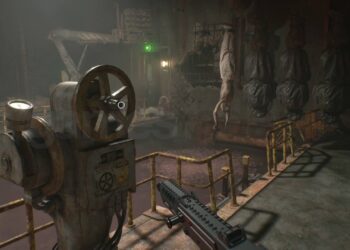
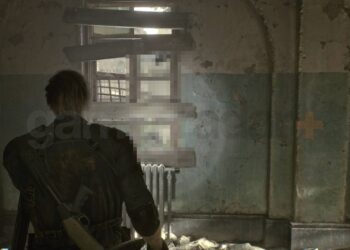
The game’s 1960s rural Japanese environment feels much more mysterious. The rusty fences, the striking red spider lilies, and the coral-colored Otherworld blending with period-appropriate buildings created such a fresh atmosphere. The Japanese influence is front and center, and it adds a unique flavor to the experience. I didn’t expect my limited knowledge of Japanese culture to be a stumbling block, but there it was.
For example, the Shrine Vault puzzle doesn’t explain what an ema (a traditional wooden plaque) is when you need to find one, even while you’re being chased by an unstoppable monster. The cultural elements in f—like the charms called Omamori, which can grant the protagonist Hinako special skills, or the altar puzzle where you leave traditional offerings—are embedded all over, unapologetically.
Even recognizable puzzles, like the one you solve to escape a classroom using Japanese cherry blossom silhouettes, rely heavily on specific cultural knowledge. It’s refreshing because the game doesn’t hold your hand; it forces you to figure things out on your own.
That said, some parts of the game were pretty confusing. A good example is the difficulty settings in Silent Hill f. You choose them early on, but the details about what each difficulty level means only become clear after you’ve played for several hours—around four or five—so you feel like you don’t really understand your choices until late in the game.
Be warned, there’s a spoiler here: the mural puzzle. Don’t look up solutions for it until you’re ready, since there’s an unavoidable spoiler in the part you need to watch to solve it.
Combat was one of the more debated aspects of the game. I didn’t find it too bad, especially after upgrading stamina, which I found to be the most crucial stat during fights. The Scarecrow puzzle is a good test of your skills, since you’ll be attacked every time you make a mistake. Learning from my errors will definitely help. Also, finding the school key can involve a mini-boss fight unless you follow a guide to avoid danger or reduce risks.
The main challenge was knowing where to find everything, like trying to open the sacred door or locate Sakuko. The searches for these items are often confusing and convoluted. The missing object part and the locker codes are complete misdirections—they throw you off and make it hard to find what you need.
Overall, the hardest part for me was the puzzle involving the key in front of the cage. I understand how the puzzle works, but I had to press buttons at random until luck was on my side. Sometimes, you just have to take your wins where you find them.
 ChatGPT
 Perplexity
 Gemini AI
 Grok AI