Select Language:
Who has the time to spend 100 hours playing a JRPG all the time? Probably nobody, but I still love them. These games are probably my favorite type, even if they can take up a lot of my free time when I get really into one.
If you don’t have the patience or hours to dedicate to these games but still want to try one to see what all the excitement is about (they must be good if you’re willing to spend that much time on them), here are my recommendations as someone who regularly plays long JRPGs.
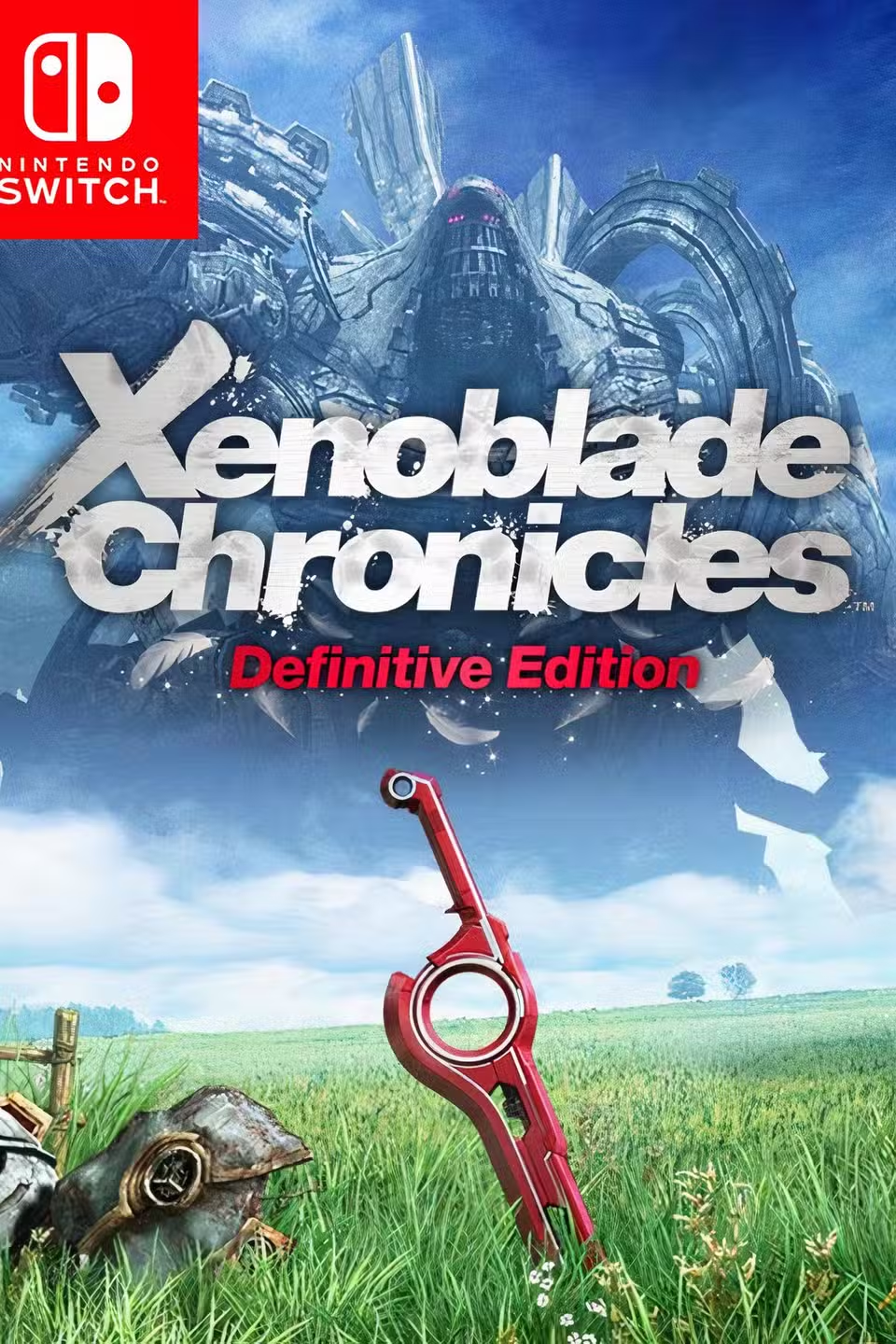
8. Xenoblade Chronicles
Average Playtime: 80 Hours
Xenoblade Chronicles hits nearly everything you want in a great JRPG. Its setting is unique — two giant, ancient warriors locked in a battle. The story grabs you right from the start, with a memorable cast and engaging combat. You play as Shulk, traveling across the Bionis to find Metal Face, the villain, and seek revenge for your childhood friend. The story twists and turns keep you hooked through the full 100 hours, while the game explores large open areas filled with big monsters. It offers something for everyone.
7. Metaphor: ReFantazio
Average Playtime: 87 Hours
This game, which was nominated for Game of the Year in 2024, combines political intrigue, a solid turn-based combat system, and characters you’ll fall in love with. You team up with your fairy companion Gallica and other characters you recruit along the way, fighting to claim the crown of the United Kingdom of Euchronia and end Count Louis’s rule. The story keeps you guessing with many twists, and each character’s side quest feels worth your time in this long campaign.
6. Persona 5 Royal
Average Playtime: 123 Hours
Not into medieval fantasy or sci-fi stories? Persona 5 Royal might be perfect. Instead of typical fantasy settings, it’s set in modern-day Japan. You juggle school life while taking on dungeons as a Phantom Thief. You also build relationships with classmates and even fall in love. The Royal version adds a lot more content than the original, giving you hundreds of hours of gameplay.
5. Dragon Quest XI: Echoes of an Elusive Age
Average Playtime: 90 Hours
Don’t let the “11” in the name scare you—Dragon Quest XI is accessible even if you haven’t played the series before. It’s about a hero called Luminary who must save the world from darkness. The story is classic but charming, with plenty of moments to bond with your party, explore the world, and do side quests. It’s a fun 90-hour adventure.
4. Tales of Vesperia
Average Playtime: 70 Hours
Tales of Vesperia is one of my favorite entries in the series. It features Yuri Lowell, a former soldier on a mission to stop the overuse of Blastia magic worldwide and to form the guild Brave Vesperia. The story is long but exciting, and the battles are enjoyable. The game focuses heavily on the narrative, taking you on a deep, twisting journey.
3. Ni No Kuni: Wrath of the White Witch
Average Playtime: 56 Hours
When Studio Ghibli teams up with a JRPG, you get something magical. Ni No Kuni follows Oliver, a boy who loses his mother and ends up in a strange world—an alternate version of his own, where everyone is the “soulmate” of someone from his world. You can fight with magic or catch familiars, similar to Pokémon. Its heartfelt story, beautiful animation, and unique battle system make it well worth your time.
2. The Kingdom Hearts Series
Average Playtime: 266 Hours
This is a bit of a cheat because Kingdom Hearts is a JRPG with a long, ongoing story. It begins with Sora traveling across worlds to rescue his friends Riku and Kairi while battling darkness. The series features different gameplay styles and creative ideas, but the story and characters are always the main focus. If you get the all-in-one package, you’ll mostly only need to buy “Melody of Memory” separately.
1. The Legend of Heroes: Trails in the Sky
Average Playtime: 52 Hours
The first game in the Trails series focuses on Estelle and her brother Joshua as they work to become Bracers and protect their people. The game balances combat and storytelling really well. The side stories and developing NPCs make players feel more connected to the world. Its deep, strategic turn-based combat keeps things interesting, with plenty of options to plan your attacks.
 ChatGPT
 Perplexity
 Gemini AI
 Grok AI