Select Language:
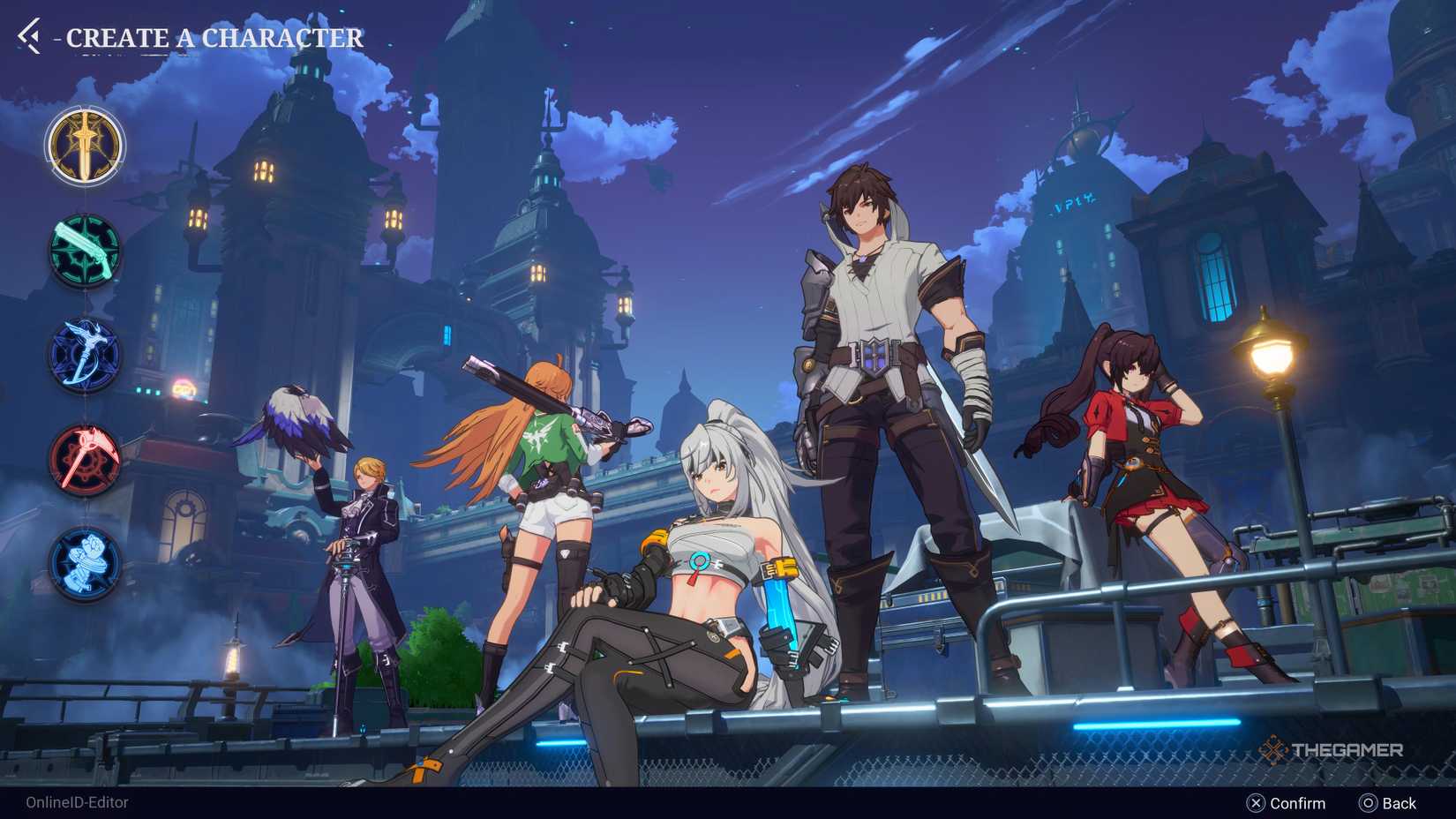
In Crystal of Atlan, each character class and subclass offers different strengths—whether it’s high burst damage, supportive abilities, or useful utility. There are significant differences between classes and their subclasses, but some tend to outperform others. With 11 classes available—five of which are basic classes that you eventually advance from—your choice of class can depend on several factors.
Attributes like strength, power, precision, and game difficulty all influence which classes are considered the best. Whether you’re competing in PvP or tackling PvE content also plays a role in determining the top choices for you.
Every class in Crystal of Atlan has at least two advanced subclasses. When you first select your class, progressing through the story will lead you to a quest at level 15 that allows you to choose your advanced subclass. You can switch between these subclasses freely until level 45, giving you time to experiment with different skills and builds before settling on your preferred playstyle.
Class rankings are based on how easy they are to use (including rotation complexity), damage output, effectiveness in PvP and PvE, and resource management. The tiers are as follows:
-
S Tier: These characters excel in all areas. They feature intricate yet enjoyable rotations, high damage output in solo and group play, and possess unique mechanics that set them apart. They are some of the most distinct and powerful in the game.
-
A Tier: These classes are very strong but may be a bit harder to manage due to resource or rotation complexity. They often require reaching around level 45 to realize their full damage potential and are generally effective but may not top PvP leaderboards.
-
B Tier: These classes are fairly average overall. They tend to have more basic abilities, limited options, and can be less engaging to play, especially past their prime skill levels.
Among the S-tier classes, the Scytheguard stands out as the only party-wide healer and buffer, able to heal herself, apply damage reduction barriers, and deal solid damage. The Starbreaker excels at quick, direct damage and mobility, making her effective in both PvP and PvE environments. The Magiblade offers speed and precision, dealing rapid damage while maintaining buffs. The Gunner focuses on powerful ranged attacks and AoE damage, suitable for handling multiple enemies from afar. The Berserker, regarded as the best tank, deals massive damage, debuffs enemies, and becomes more lethal as her health decreases—a true powerhouse. Lastly, the Mystrix provides high damage output through stance changes, demanding more skill but rewarding players with significant pressure and sustained damage in fights.
These top-tier classes combine quick rotations, utility, crowd control, and adaptability for both PvE and PvP, often featuring accessible mechanics that don’t overwhelm new players but offer enough depth for advanced tactics. Many of them excel at building large combos and juggling opponents, making them highly versatile.
Moving to A Tier, classes like the Cloudstrider, Magician, Blademaiden, Bounty Hunter, Elementalist, and Warlock provide solid performance. However, they often have slower damage scaling and more complicated rotations, meaning they shine best at higher levels with proper skill management.
B Tier classes, such as Fighter, Magister, Musketeer, Swordsman, and Puppeteer, are more basic. They offer utility but are limited by skill levels that cap at level 10, rendering them less effective for continued progression. They are mostly suited for initial stages and don’t provide significant benefits beyond early game.
Overall, while no class is inherently bad—many are great for beginners—those with more complex mechanics or requiring precise rotations (like the Cloudstriker or Blademaiden) might not perform optimally without experience. Mastery of their mechanics and rotations greatly enhances their effectiveness, especially in demanding battles.
 ChatGPT
 Perplexity
 Gemini AI
 Grok AI