
Select Language:
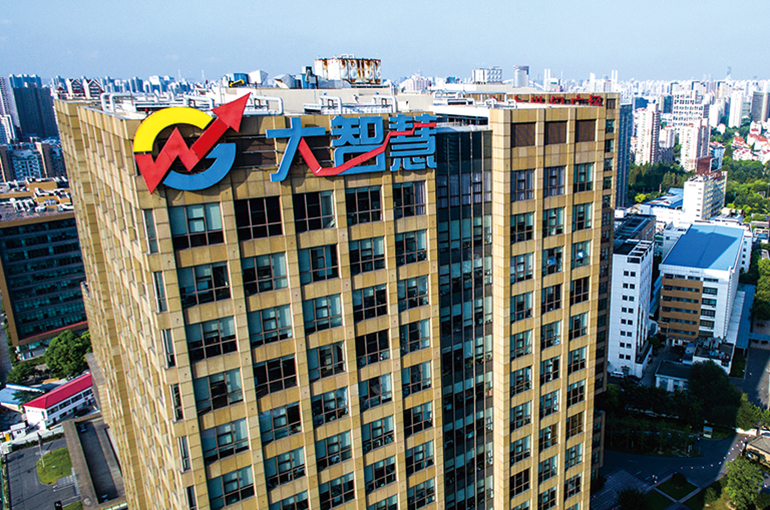
The Shanghai Stock Exchange has put a hold on reviewing the merger between Xiangcai, a Chinese brokerage firm, and Shanghai DZH, an online financial data service provider, due to outdated data that needs to be refreshed. Both companies issued separate statements on March 15 explaining the situation.
Xiangcai, based in Harbin, noted that the valuation information used in the transaction has expired and requires an update. Additionally, the financial data will expire at the end of this month, and efforts are already underway to update these figures.
The temporary suspension is not expected to cause significant setbacks for the merger. Xiangcai and its advisors are actively working on updating the valuation figures, financial documents, and application materials. They intend to resubmit the revised documents to the Shanghai exchange promptly and will request to restart the review process without delay.
Both Xiangcai and DZH, listed in Shanghai, halted trading of their stocks mid-March last year as they prepared for a major asset restructuring. About six months later, they announced their merger plan. In October 2025, DZH revealed that the Shanghai Stock Exchange had accepted the application for review of the share swap merger.
DZH has suffered losses in recent years and predicted a net loss of between CNY 34 million (approximately USD 4.9 million) and CNY 50 million last year, according to its earnings forecast. Nevertheless, this marks a notable improvement from the net loss of CNY 200 million recorded in 2024.
Meanwhile, Xiangcai has experienced a substantial increase in profits. The company forecasts that its net profit for the past year will have grown more than five times from the previous year, reaching around CNY 550 million (approximately USD 79.8 million). This growth was largely driven by its wholly owned subsidiary, Xiangcai Securities, which saw strong performance across its brokerage, credit, investment advisory, wealth management, and proprietary trading segments, significantly boosting the overall profit.
 ChatGPT
 Perplexity
 Gemini AI
 Grok AI