Select Language:
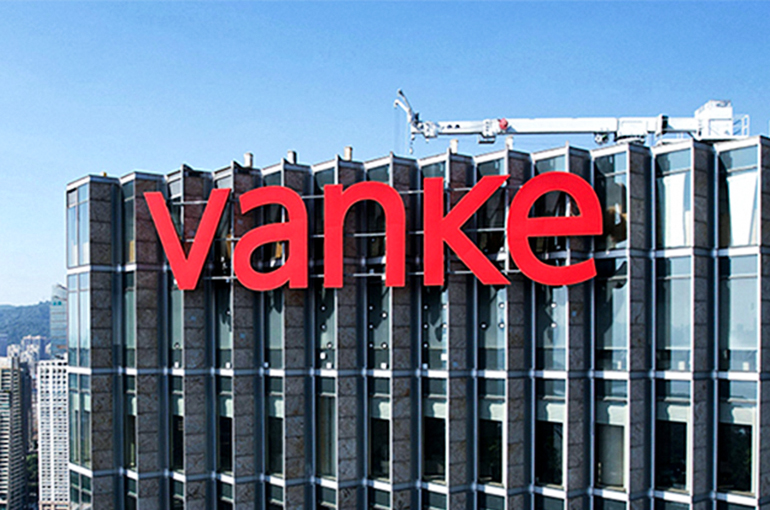
Shares of a major Chinese real estate company declined following the rejection of its bond extension proposals by creditors, fueling speculation about a potential debt default and future restructuring efforts.
The company’s stock in Shenzhen dropped 3 percent to CNY4.87 (roughly 68 cents USD), while its Hong Kong-listed shares fell 5.2 percent to HKD3.49 (about 44 cents USD) during trading hours. The creditor meeting, which covered three extension requests for the company’s outstanding bonds due today, failed to approve any of the proposals.
The initial proposal, which sought a one-year extension for both principal and interest without offering additional credit enhancements, garnered no support—76.7 percent of voters opposed it, with 23.3 percent abstaining. The other two proposals received support from 83.4 percent and 19 percent of voters, respectively—both below the 90 percent approval threshold required. Creditors demanded the company provide more acceptable credit enhancement measures and adjustments to repayment terms.
Some creditors are concerned that extending the bond might lead to underestimating the company’s asset value or disposing of assets in a non-market way during the debt resolution process. In the current market climate, publicly proposing a debt extension is seen as a significant credit event, one that could damage the company’s reputation and ability to refinance—similar in impact to a default. Consequently, some creditors prefer to bypass extensions altogether, opting instead for legal procedures.
According to bond prospectus guidelines, if the company misses its payment, creditors are given a five-day grace period. If payment remains outstanding after this window, it constitutes a default. A second creditor meeting is scheduled for December 18 to seek a final agreement, with the deadline for the official bondholder vote set for December 22 at 10 a.m. Beijing time.
The company has not yet disclosed the full list of bondholders, but industry insiders estimate that over 85 percent are commercial banks, with public and private funds making up just over 10 percent. Its other domestic bonds are also largely held by banks, with just a few public funds involved. A semiannual report indicates that most bondholders are either banks or their affiliate wealth management funds.
Analysts believe that because the bonds represent a relatively small portion of the broader bond market, the likelihood of a default impacting the overall market remains low. However, the failed extension attempts are likely to influence the company’s negotiations for other maturing bonds, including a CNY3.7 billion bond due at the end of this year. Industry sources warn that creditors of this debt may push for higher risk premiums or stricter security measures, possibly making negotiations more challenging.
As of the end of November, the company has repaid nearly CNY19.6 billion (about USD2.8 billion) of domestic bonds this year. It currently has 13 outstanding bonds and medium-term notes with a total value of CNY20.3 billion, including two bonds totaling CNY5.7 billion (for which extensions have already been applied), and another CNY10 billion in bonds maturing between April and July of next year.
 ChatGPT
 Perplexity
 Gemini AI
 Grok AI