Select Language:
The Shanghai Free Trade Zone’s Lingang Special Area plans to establish ten communities of single-person companies over the next three years, aiming to provide structured, ecosystem-driven support for solo entrepreneurs.
Recently, the area introduced a new support concept centered on individual entrepreneurs using digital technology to drive high-value innovation. This initiative was unveiled at an event dedicated to science and technology innovation, emphasizing a new framework known as the C⁵ model, which focuses on five key aspects: Connect, Cost, Chance, Compliance, and Community—designed to support freelance entrepreneurs effectively.
Within this framework, Lingang is committed to creating a comprehensive support system that offers full-cycle empowerment for one-person companies. This includes connecting founders with essential business resources, reducing startup costs—such as office space, housing, and operational expenses—and providing both broad and specialized platform support. The initiative also identifies five core industry sectors for these companies, promotes diverse application scenarios and market opportunities, streamlines compliance processes, and fosters a vibrant entrepreneurial ecosystem.
“Our aim is to position Lingang as a leading global hub for single-person startups,” stated a senior official involved in the project.
The companies will also be integrated into the broader science and tech innovation system within Lingang, serving as a vital link connecting digital nomads with larger tech unicorns, according to an official from the local management committee.
The first batch of targeted industries includes cross-border data, digital culture, live-stream marketing, smart networking, and software services. Over the past month, a list of 18 leading companies and more than 30 application scenarios has been compiled, with plans for further expansion. For example, startups working in cross-border data can gain assistance with overseas orders related to data labeling, processing, and international operations. Digital culture entrepreneurs can receive support for projects involving AI music, designer toys, animation, and intangible cultural heritage content.
Building a thriving solo entrepreneur ecosystem in Lingang is viewed not only as a response to AI-driven growth but also as a means to lower barriers and accelerate innovation through institutional reforms and better resource integration. The local support system is expected to become more comprehensive, and the incubation models more innovative.
Since beginning operations on August 21, the first OPC community, Zero Cube, has attracted nearly 500 entrepreneurs. Over 180 startup projects have received approval, and more than 100 teams have moved into the facility, averaging approximately one new startup settling in each day. The community’s second phase is preparing to launch, offering facilities for varied team sizes, including individual workstations, small offices, and specialized content creation amenities like photo studios.
Funding support for these solo ventures includes guaranteed loans of up to CNY 800,000 (about USD 113,600), grants up to CNY 500,000, and vouchers for data, traffic, and computing resources, along with additional assistance for residency, industry access, logistics, and overseas expansion. The FTZ’s policy advantages also allow OPCs involved in cross-border activities to utilize international data channels and bonded logistics, reducing transportation costs and providing robust internet and computing services vital for digital operations.
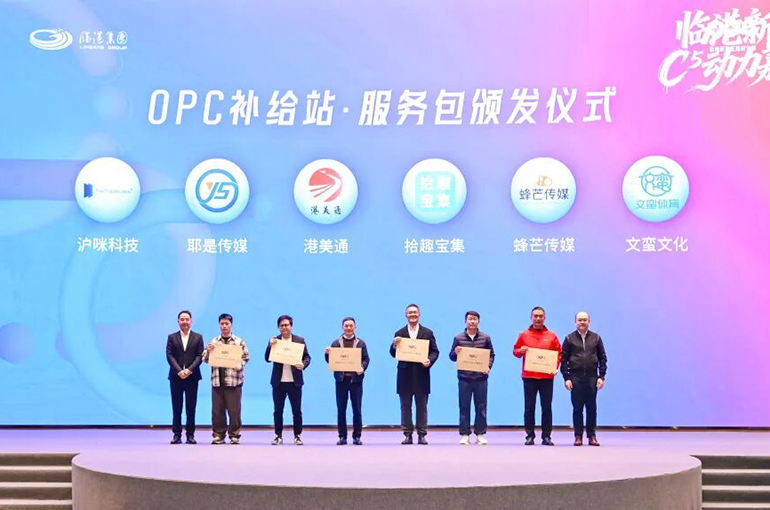
Recognizing the elevated risks faced by individual entrepreneurs, additional support packages have been introduced, offering business operation services, digital empowerment, financial and insurance solutions, as well as marketing, training, and promotional programs.
Furthermore, a dedicated OPC development alliance has been launched to facilitate collaboration across government, industry, academia, finance, and research sectors, aiming to foster a high-level innovation ecosystem that encourages openness and resource sharing among local OPCs.
 ChatGPT
 Perplexity
 Gemini AI
 Grok AI