Select Language:
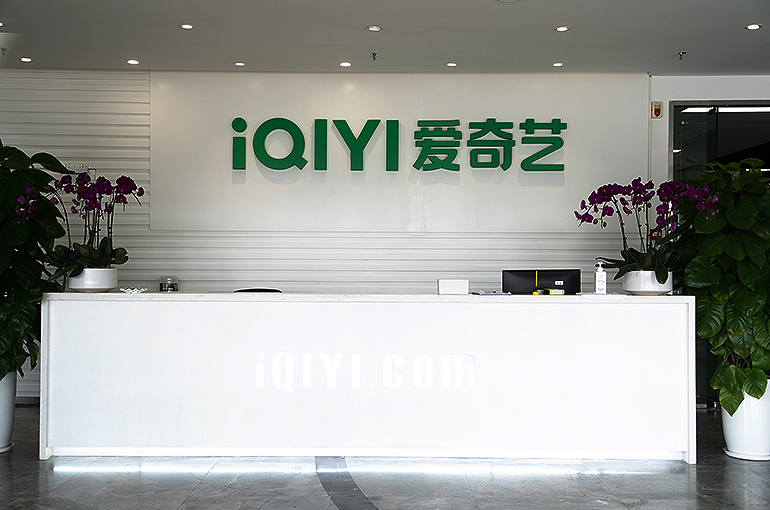
Shares of iQiyi experienced a rise after the Chinese video streaming platform announced it had submitted a confidential application for a secondary listing in Hong Kong. The company’s stock in New York closed up 5.8% at $1.27 yesterday, although it has fallen 34% since the end of last year.
The move to list again in Hong Kong is intended to improve iQiyi’s access to the city’s capital markets, expand its investor base across Asia, and increase its international profile, the company based in Beijing disclosed late yesterday. However, this plan is still subject to approval from the Hong Kong Stock Exchange and the completion of filings with Chinese regulators. Details of the listing have not yet been finalized.
Experts suggest that the secondary listing could serve to revitalize iQiyi’s existing assets and create additional channels for raising funds. Shen Meng, a director at Xiangsong Capital, explained that since the company faced losses last year, this strategy might also help its parent company, the tech giant Baidu, to ease some of its financial strain.
According to iQiyi’s recent annual financial report, the company reported a net loss of $29.2 million last year, compared to a net profit of $109 million the previous year. Revenue also declined by 7%, amounting to $3.9 billion, mainly due to lower income from paid memberships and advertising.
This application marks the third confidential listing attempt by a Baidu-backed company in Hong Kong since the beginning of the year. Earlier, Baidu’s AI chip startup Kunlunxin filed at the start of January, and recently, BioMap—an artificial intelligence firm specializing in life sciences created by Baidu’s founder and CEO Robin Li—was also reported to have submitted an application.
Capital investment in AI hardware platforms remains substantial, with ongoing R&D for chips and AI-based pharmaceuticals recognized as highly capital-intensive endeavors. Shen noted that the listings of Kunlunxin and BioMap could also help Baidu reduce its financial pressures, as these companies are still in the development stages and have yet to report financial results. Competitors in the field, such as Moore Threads Technology, MetaX Electronic Circuits, and Insilico Medicine Cayman, are all operating at a loss.
These listings illustrate Baidu’s ability to take advantage of the favorable policies of the Hong Kong stock market. The city’s IPO market has been very active this year, with total proceeds exceeding HKD 100 billion ($12.76 billion) so far. Shen highlighted that, at the peak of valuation for AI chip companies, Baidu’s spin-off of Kunlunxin allows it to leverage the capital markets to fund this high-growth segment. Additionally, recent reforms by the Hong Kong Exchange have made it easier for companies like Baidu to list in the city.
Robin Li has also sought to expand into new AI-driven drug development through BioMap, which he owns about 40% of, both directly and indirectly, in its early stages. However, last September, the company’s Hong Kong operating entity changed its business registration, causing Li and other Baidu-related entities to exit the direct ownership list, while Li remains the primary controller. Business experts believe this restructuring was likely done to optimize the company’s ownership structure for the Hong Kong listing.
 ChatGPT
 Perplexity
 Gemini AI
 Grok AI