
Select Language:
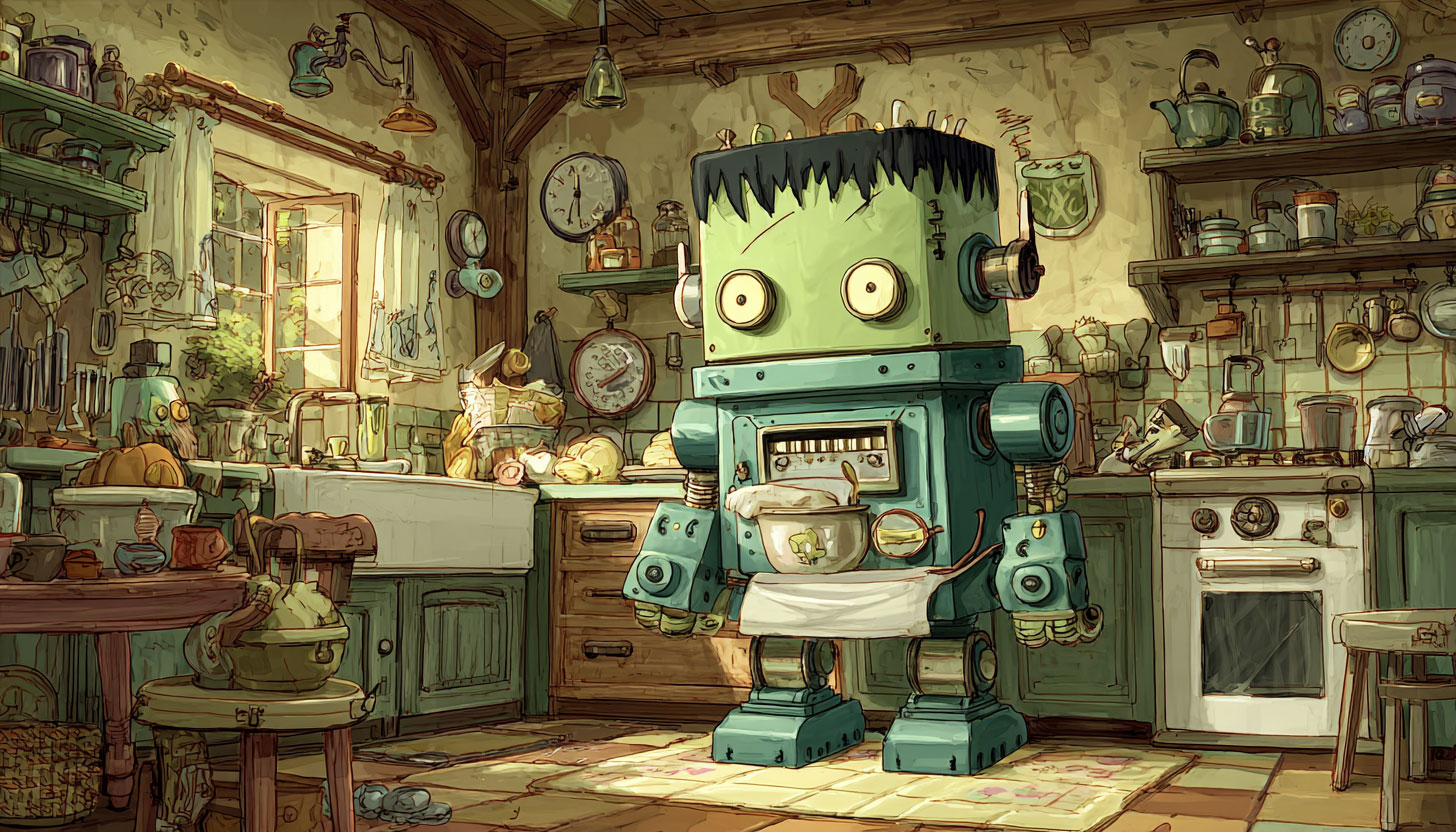
A food blogging duo, Adam and Joanne Gallagher from Inspired Taste, have been revealing concerning practices by Google regarding its AI-generated recipe responses. They describe these as “Frankenstein recipes,” where Google’s AI pulls snippets from trusted recipe websites, claims them as its own, then modifies them to the point where the recipes turn out poorly and don’t taste right.
This issue isn’t just about lost traffic for recipe bloggers; it also impacts their reputation. The top search results featuring AI responses have significantly reduced traffic to their actual sites. Furthermore, when Google’s AI attributes the recipe to a specific brand or blogger, it often alters the recipe, which can result in incorrect and unappetizing outcomes—both of which can be damaging to the source creators.
The topic has garnered a lot of mainstream media attention, with outlets like NBC, CBS, Bloomberg, and The Guardian covering the story. The concern is that Google’s AI response system is flooding search results with plagiarized content that misrepresents the original creators and disrupts the genuine recipe-sharing community.
Joanne Gallagher expressed frustration in a public statement, emphasizing that many trusted recipes are being copied and reshuffled into AI-generated “Frankenstein” versions, which dilutes the value of original content and misleads users. They’ve shared examples demonstrating how their recipes appear in these AI responses, often with key modifications that ruin the dish.
A notable quote from a coverage summarizes the core problem: users tend to trust recipes created by real people they follow or respect rather than AI-generated versions. Mainstream media and industry experts are increasingly recognizing the severity of this issue, with some reports even referencing a lawsuit related to these practices.
Google has yet to publicly address these concerns, which some see as a missed opportunity to clarify their AI policies. Meanwhile, ongoing discussions, including social media posts from affected creators, highlight the importance of verifying recipe sources during the holiday season when many home cooks rely on online instructions. Recent updates suggest that some of the search results are improving, with original content starting to rank higher again, but the situation continues to evolve.
 ChatGPT
 Perplexity
 Gemini AI
 Grok AI