Select Language:
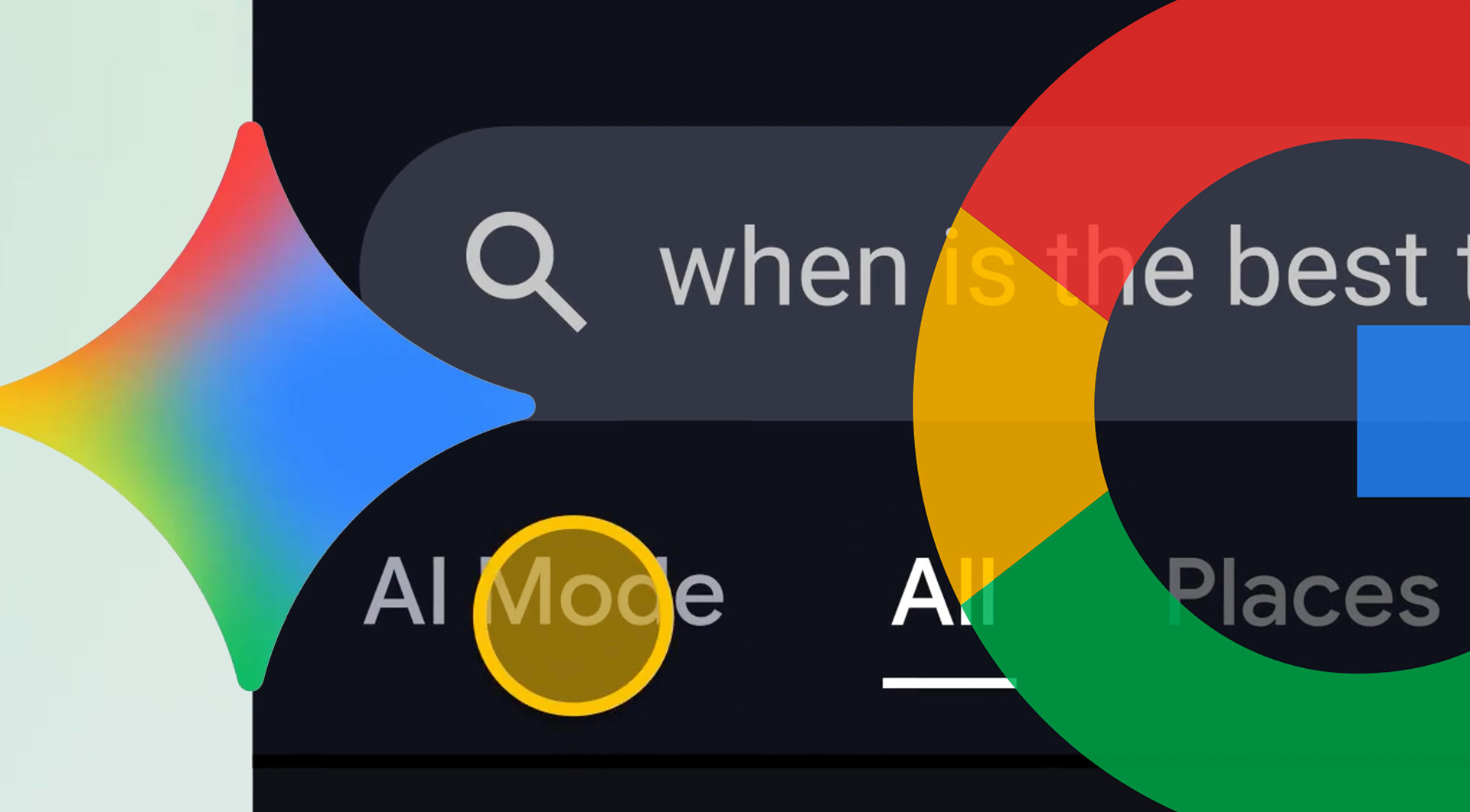
Google has introduced Gemini 3, its newest AI model, which is now powering the AI Mode feature in Google Search. According to Sundar Pichai, Google is now shipping Gemini 3, bringing advanced reasoning capabilities and dynamic experiences to search. Remarkably, it’s the first time Gemini is being integrated into Search from day one of its release.
AI Mode in Search, now utilizing Gemini 3, enables the generation of new user interface experiences such as immersive visual layouts and interactive tools or simulations. These elements are created on the fly, tailored specifically to each search query. A video demonstration shows how the generative UI allows RNA polymerase to be explained interactively within AI Mode.
The inclusion of Gemini 3 results in more understandable and engaging layouts, providing more accurate and helpful responses. It improves real-time query handling and will see further enhancements in the coming weeks, including AI Overviews designed to route users more effectively to relevant AI-generated content within Google Search.
Robby Stein from Google shared on social media that Gemini 3—the most advanced model from Google—brings significant reasoning power to Search. It can interpret complex questions, explain advanced concepts, and even generate interactive visuals in real-time. The model’s design aims to reimagine what helpful responses look like by dynamically creating layouts suited for each query.
In the near future, Google’s search system will further optimize model routing, directing difficult questions to Gemini 3 in AI Mode or AI Overviews while using faster, simpler models for routine tasks. Under the hood, Gemini 3’s superior reasoning enhances search algorithms, leading to more relevant web content surfaced for user inquiries.
The Pro version of Gemini 3 is accessible directly within AI Mode’s menu for U.S.-based Google AI Pro and Ultra subscribers, with broader rollout soon following. Additional videos demonstrate its capabilities, showcasing interactions like creating simulations or visual explanations for complex questions.
This advancement signifies a notable shift toward more intelligent, dynamic, and human-like responses in search, marking a major milestone in human-computer interaction.
 ChatGPT
 Perplexity
 Gemini AI
 Grok AI