
Select Language:
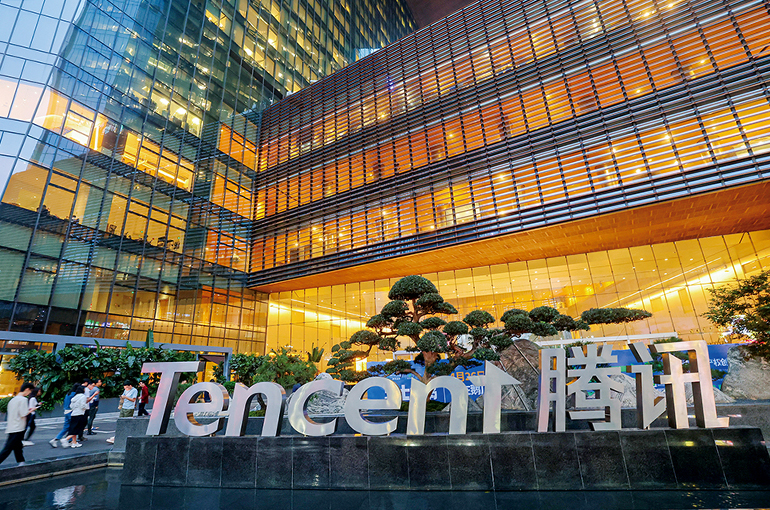
Chinese technology stocks declined in Hong Kong, with Tencent Holdings among the most affected, amid rumors of an increase in value-added tax for internet companies. Tax authorities have clarified that these rumors are false, and VAT rates remain unchanged.
Tencent closed 2.9% lower at HKD 581 (roughly USD 74.36) per share today, bouncing back slightly from an earlier drop of up to 6.3%. The Shenzhen-based company’s stock has been on a downward trend for over four consecutive months.
Other major tech stocks also saw declines: Alibaba Group fell 1.4% to HKD 161; Baidu dropped 3.6% to HKD 141.40; Bilibili declined 2.5% to HKD 253; and Kuaishou Technology slid 4.6% to HKD 73.45.
The new VAT Law in China went into effect on January 1, aiming to clarify the tax system while keeping key rates steady. Since then, the Ministry of Finance and the State Taxation Administration have issued additional guidelines, including raising the VAT rate for services like internet broadband access from 6% to 9%.
This led to speculation that the VAT rate for core internet businesses, including Tencent, might also be increased. However, several senior tax professionals assured that Tencent’s core operations—mainly providing telecom services and selling intangible assets—are taxed at the standard 6%. Current VAT regulations confirm that no changes have been made to these rates.
Tencent’s shares have dipped below HKD 600 amid concerns over its high investment in artificial intelligence and uncertainties regarding short-term revenue generation, coupled with weaker-than-expected performance indicators from January, said Pan Jun, an investment manager at Guangdong Cheese Investment Fund.
Another factor affecting the stock is Tencent’s promotional campaign involving digital “red envelopes” or hongbao, often used in China for gifting cash during festivals. The company’s planned cash giveaways drew significant attention, but some view the campaign as a sign of intensified competition in cash-burning strategies.
There are worries that Tencent might become entangled in such aggressive competitive tactics. Despite a decline in market value and some defensive qualities, the stock lacks immediate catalysts that could spur a quick rebound.
While distributing red envelopes can boost user engagement temporarily, investors are more focused on long-term user retention and engagement with artificial intelligence, rather than daily active user counts, said Wen Tianna, executive director at Partners Capital International. Additionally, fierce AI competition among Chinese internet giants has further squeezed profit margins, fueling short-term risk aversion.
 ChatGPT
 Perplexity
 Gemini AI
 Grok AI