Select Language:
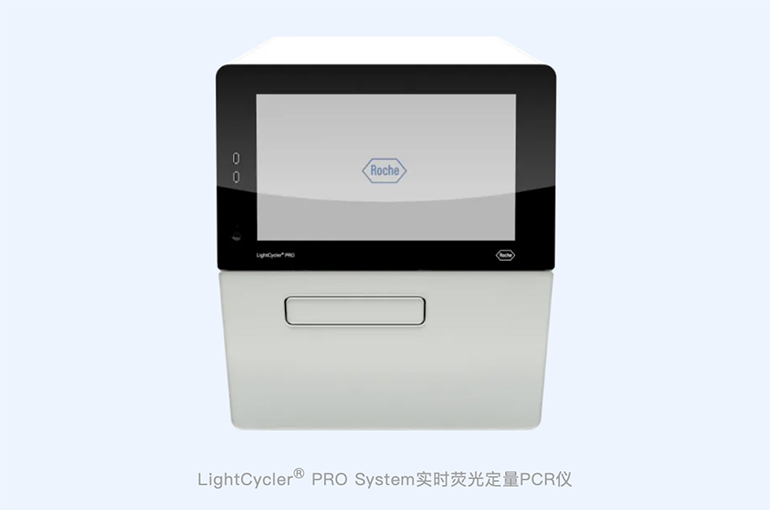
Roche Diagnostics, the division of the Swiss pharmaceutical company responsible for diagnostic tests, instruments, and digital solutions, has announced the launch of its first quantitative PCR system developed in China.
The company began commercial sales of the LightCycler PRO System yesterday, produced at its manufacturing plant in Suzhou. This molecular diagnostic device allows for highly accurate quantitative analysis of DNA or RNA by tracking the amplification of nucleic acids in real-time.
According to Roche Diagnostics, the LightCycler PRO System can be used in a variety of applications, including pathogen detection, gene expression studies, and genetic mutation analysis.
In an interview at the first Sino-Swiss Innovation Day—an event organized by the company and the Swiss Chinese Chamber of Commerce in Suzhou—Roche Diagnostics’ global operations head emphasized the importance of supply chain resilience amid shifting international conditions. She highlighted that maintaining a sustainable and robust supply chain is critical.
The company is actively expanding its comprehensive pharmaceutical value chain in China, focusing on research, manufacturing, and sales to adapt to rapid market changes. She noted that the Chinese market ranks second in size globally for the company, after the United States, serving as a strategic gateway to other Asia-Pacific markets.
The Chinese manufacturing facility is a vital component of Roche Diagnostics’ worldwide production network. The recent investment at the Suzhou plant aims to establish cutting-edge research and manufacturing facilities to speed up product development within China. Additionally, the growing use of data-driven processes is significantly improving the efficiency of local manufacturing operations.
Through ongoing investments, Roche Diagnostics intends to enhance its ability to deliver high-quality medicines and diagnostic solutions to patients worldwide, including in China.
During the innovation event, the company also signed an agreement with the Suzhou Center for Disease Prevention and Control to establish a joint laboratory—a key move in advancing the firm’s localization efforts.
The Suzhou site, which houses the Asia-Pacific R&D and manufacturing centers, has been operational for a decade and forms an essential part of the company’s global production network. In May, the company broke ground on a new project at the facility, with an initial investment of CHF 383 million (about USD 477 million), marking its largest single investment in China to date.
 ChatGPT
 Perplexity
 Gemini AI
 Grok AI