
Select Language:
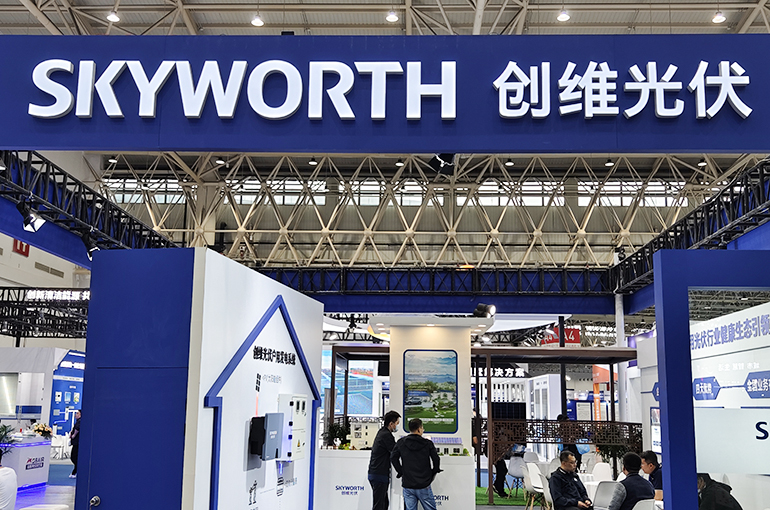
Skyworth Group’s revenue from its solar energy segment is expected to outpace its television division for the first time last year, marking a significant milestone in the company’s diversification strategy, according to the company’s founder. The company plans to further expand into energy storage as the widespread adoption of AI technology fuels a rapid increase in global demand for renewable energy solutions.
Originally known for its color televisions, Skyworth entered the solar industry in 2020. Initially focusing on building residential distributed photovoltaic power systems in rural areas, the company has gradually expanded into midstream products like solar panels, mounting systems, and inverters, while also developing a digital ecosystem platform for renewable energy. Today, the company’s solar operations span key manufacturing processes, downstream applications, and service areas.
International markets are expected to be the primary growth drivers for Skyworth’s solar division, with significant opportunities abroad. For instance, electricity prices in Europe are approximately CNY5.60 (about USD0.80) per kilowatt-hour—around ten times higher than residential rates in China. In parts of southern Africa, energy shortages result in outages averaging a day per week.
Recently, Skyworth broke ground on its first commercial and industrial solar power plant in Chonburi, Thailand, which is projected to produce over 4.4 million kilowatt-hours of electricity in its first year. The company also signed a contract for a 10-megawatt distributed photovoltaic power station in Italy.
The company plans to launch AI-integrated home appliances across all product lines this year, with premium models featuring built-in AI capabilities. For example, AI-enabled TVs will allow for smarter search functions for movies and TV shows, while smart devices like air conditioners will connect seamlessly with services such as AI-generated content and chatbot Q&As. However, due to rising memory component costs, the company will delay incorporating AI features into less expensive products.
To expand globally, Skyworth has acquired the rights to operate the Philips TV brand in North America. This move aims to enable cost-effective expansion and compete with rivals that have increased their marketing efforts through high-profile sponsorships of events like the World Cup and Olympics.
Looking ahead, Skyworth anticipates its TV shipments will rank among the top five worldwide this year, according to industry research estimates. The company’s founder expressed skepticism about the rapid growth in humanoid robots and AI smart glasses showcased at the recent Consumer Electronics Show, noting that androids replacing domestic workers is still a distant prospect. Most local humanoid robot manufacturers are not profitable, and the application scope of AI glasses remains limited.
Future growth is expected to be driven by AI-powered home appliances, international solar projects, and energy storage solutions.
 ChatGPT
 Perplexity
 Gemini AI
 Grok AI