
Select Language:
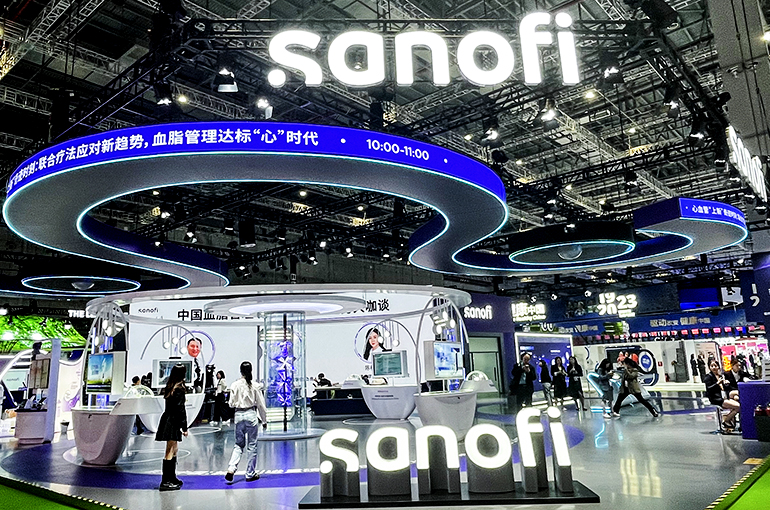
Sino Biopharmaceutical has licensed its recently approved anti-fibrotic medication to a major French pharmaceutical company, with potential earnings reaching up to $1.5 billion. The agreement grants the Paris-based firm the worldwide rights for development, manufacturing, and marketing of Rovadicitinib, a groundbreaking JAK/ROCK dual-target inhibitor. This news was announced by Sino Biopharm and its subsidiary.
According to the deal, the Chinese company will receive an initial payment of $135 million, along with the possibility of milestone payments totaling up to $1.4 billion based on future development, approval, and sales achievements. Additionally, the company will earn a double-digit percentage from sales.
Rovadicitinib is the first medication to target inflammation and fibrosis by simultaneously acting on the JAK/STAT and ROCK pathways. It received approval last month in China from the National Medical Products Administration for certain types of myelofibrosis, a rare blood cancer. The drug also shows promising potential for treating chronic graft-versus-host disease. It is currently in Phase III clinical trials in China and has gained approval for Phase II studies in the United States.
The company’s stock hovered around HKD 5.71 (approximately USD 0.73) at the close in Hong Kong, remaining flat today. Since the end of last year, the stock has declined roughly 7.6 percent.
Highlighting China’s expanding influence in the global pharmaceutical market, a Shanghai-based company announced a licensing agreement with a Belgian biopharmaceutical firm on the same day. The Chinese company will grant the Belgian firm worldwide rights to develop, produce, and sell ATG-201, an experimental treatment for autoimmune diseases. In return, it will receive an initial payment of $80 million and milestone payments potentially totaling $1.1 billion.
The trend of Chinese companies signing outbound licensing deals for innovative drugs has surged. Last year, roughly 157 deals were completed, worth combined totals of about $135.7 billion, marking a 67 percent increase from 2022 and setting new records, according to data from the pharmaceutical and biotech platform PharmCube. This year has seen even more activity, with 44 agreements signed in January and February alone, totaling over $53 billion—already surpassing a third of last year’s total.
 ChatGPT
 Perplexity
 Gemini AI
 Grok AI