
Select Language:
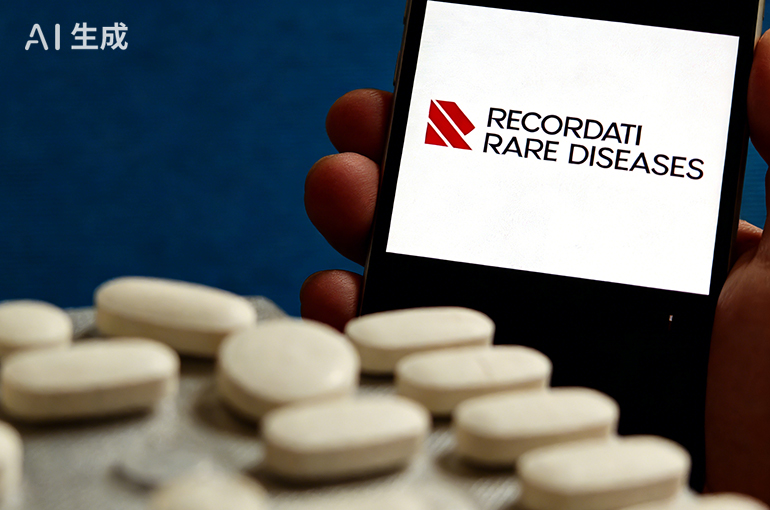
The decision for the company to exit the Chinese market stems from underwhelming results with its rare disease medications, according to a well-informed source. Prior to announcing its withdrawal, the parent organization had already planned to exit because the drugs failed to meet expected development milestones, an insider revealed.
On January 9, the local subsidiary announced it had completed the liquidation process and would cease all operations within China. This came one month after the company failed to secure a spot in the country’s health insurance reimbursement list.
In 2021, the company gained approval to market osilodrostat, a unique medication for treating Cushing’s syndrome, in the Boao Lecheng International Medical Tourism Pilot Zone in Hainan Province. However, only 29 patients have utilized the drug since then.
It is estimated that around 44,000 adults in China suffer from Cushing’s syndrome, yet about 90% of them undergo surgery as the primary treatment. This leaves roughly 3,100 patients who experience recurrence post-surgery, have poor surgical outcomes, or are unfit for surgical intervention.
Diagnosing Cushing’s syndrome in China typically takes three to five years due to its subtle and scattered early symptoms, requiring patients to visit multiple departments before receiving a diagnosis, according to medical professionals.
Pricing remains a challenge for osilodrostat. While the 1-milligram tablets are the most affordable worldwide, the cost per milligram of the 10-milligram tablets in Hong Kong is nearly 25% lower than in mainland China. If the price in mainland China were reduced to match Hong Kong’s rates, there is a possibility that the medication could be added to the national health insurance list, suggested a patient organization leader.
Founded in 2021, the local subsidiary’s management team mainly comprises members experienced outside of rare diseases. The company relies entirely on medical insurance reimbursement, but this approach overlooks recent shifts in insurance policies, moving from a single reimbursement list to a combination of multiple payment methods.
Besides osilodrostat, the company has two other drugs approved for sale in China. Carglumic acid dispersible tablets have been used by fewer than 100 patients over the past two years, while the long-acting pasireotide has yet to be commercialized.
Last year, China added 114 new drugs to its national health insurance directory, including 19 innovative drugs in the initial version of the commercial insurance list, with rare disease medications making up nearly one-third of the additions.
 ChatGPT
 Perplexity
 Gemini AI
 Grok AI