
Select Language:
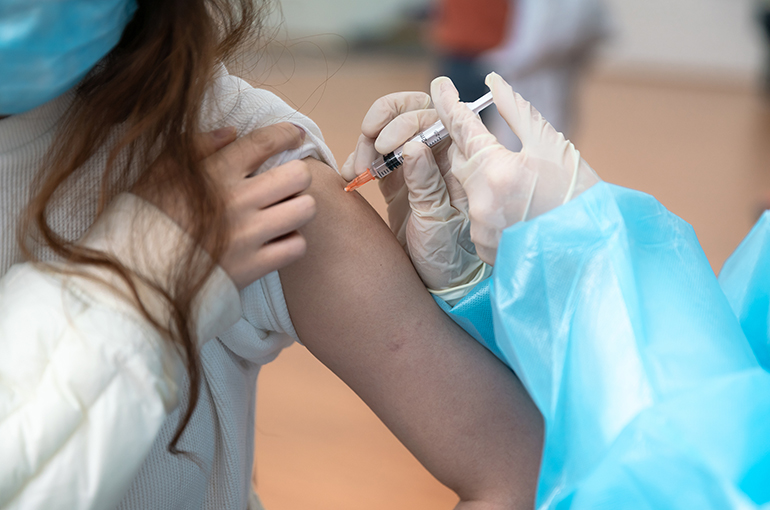
Several regions across the country are intensifying efforts to provide catch-up measles vaccinations for individuals who haven’t completed the full immunization schedule. Some eligible populations can even receive these shots at no cost, amid rising concerns over imported cases due to measles outbreaks in various countries worldwide.
Although recent reports indicate a relatively low number of measles cases domestically, the disease is resurging in many parts of the globe. During a recent press briefing, the chief physician at the national disease control center highlighted that six of the ten countries with the highest measles counts last year share borders with the U.S., indicating a substantial risk of imported infections.
In response to the ongoing global and domestic situation, as well as potential risks in certain regions, health authorities are urging local officials to bolster routine vaccination efforts. They are directing efforts to identify and vaccinate individuals in areas with low coverage who may have missed their shots.
Measles is a highly contagious respiratory illness caused by a virus. An unvaccinated person exposed to an infected individual has up to a 90 percent chance of catching it. The danger isn’t limited to infection alone; complications such as pneumonia, brain inflammation, ear infections, laryngitis, and even heart inflammation can occur.
In the country, the measles-mumps-rubella (MMR) vaccine is part of the nationwide immunization program. Children typically receive two free doses—one at around eight months and the other at 18 months of age.
Recently, a health center in Guangzhou’s Tianhe district announced that children and teenagers up to 18 who haven’t received both doses are eligible for free catch-up shots. Adults over 18 who have never been vaccinated or did not complete the series can get vaccinated at their own expense.
Priority groups for catch-up MMR vaccinations include border control and customs personnel, airport staff, airline crew, healthcare workers, parents of young children, daycare and preschool staff, caregivers, postpartum nurses, domestic helpers, college students, and individuals planning to travel abroad.
According to the World Health Organization, measles vaccinations have prevented nearly 59 million deaths globally between 2000 and 2024. Achieving a herd immunity threshold of 92 to 94 percent—either through vaccination or previous infection—can effectively halt the spread of the virus.
 ChatGPT
 Perplexity
 Gemini AI
 Grok AI