Select Language:
The Chinese fast-moving consumer goods market, which has stabilized following a sluggish year, is now undergoing a new phase of structural change. Online-to-offline platforms are emerging as key drivers of growth, according to a recent report.
The retail and consumer ecosystem in China is entering a period of restructuring, with shifting roles among various channels. A joint report from a leading US consulting firm and a UK consumer data provider indicates that brands now need to compete across online, offline, and integrated O2O channels. Companies must rethink their strategies for delivery, differentiation, and growth as the balance of power shifts from brands and distributors toward retailers and consumers.
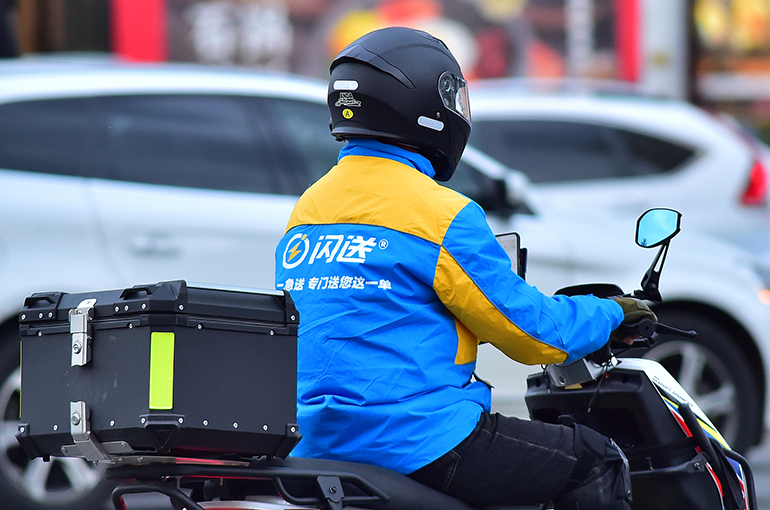
The O2O instant commerce segment saw a 7.9% increase in the three months ending September 30 compared to the previous year, reversing the decline seen last year. Key factors include the rising popularity of instant delivery services, broader product categories, and intensified promotional efforts on major platforms.
“The influence of distribution channels is growing increasingly significant,” a senior global partner and leader in the retail sector stated. “Some channels are even driving growth within specific consumer categories and serving as primary entry points for new customers.”
Social commerce and budget-friendly platforms continue to expand their share of e-commerce sales. Apps like TikTok’s Chinese counterpart and discount shopping sites now account for over 40% of FMCG sales. These platforms offer integrated experiences where shopping, purchasing, and delivery happen seamlessly in real time.
Predicting future competition, the expert emphasized, “Securing strong channels will be crucial moving forward. We are still exploring ways to collaborate more effectively across channels and to capitalize on emerging growth opportunities.”
Regarding the ongoing subsidies battles in China’s food delivery sector, a market analyst explained that while promotional discounts have temporarily boosted sales, they haven’t significantly increased overall transaction values. Consumers remain cautious about their spending on food delivery services.
“As subsidies gradually decline, the market is expected to remain relatively stable,” the analyst added. “We anticipate modest growth next year at a slow pace, similar to this year.”
Official data shows that sales revenue in China’s fast-moving consumer goods sector grew by 1.3% in the first three quarters compared to the previous year. This growth was driven by a 3.8% increase in sales volume, despite the average price dropping by 2.4%, a less severe decline than the 3.4% decrease recorded last year.
 ChatGPT
 Perplexity
 Gemini AI
 Grok AI