
Select Language:
Shares of Joy City Property climbed following the announcement that the company would be delisted from the Hong Kong Stock Exchange. As of 11:10 a.m. local time, the stock increased by 3.3%, reaching HKD 0.62 (approximately 8 U.S. cents). Since the middle of this year, the stock has surged by 158%.
The company, which has been publicly traded for 12 years, confirmed yesterday that it will delist on November 27, following a shareholder court meeting held on the same day.
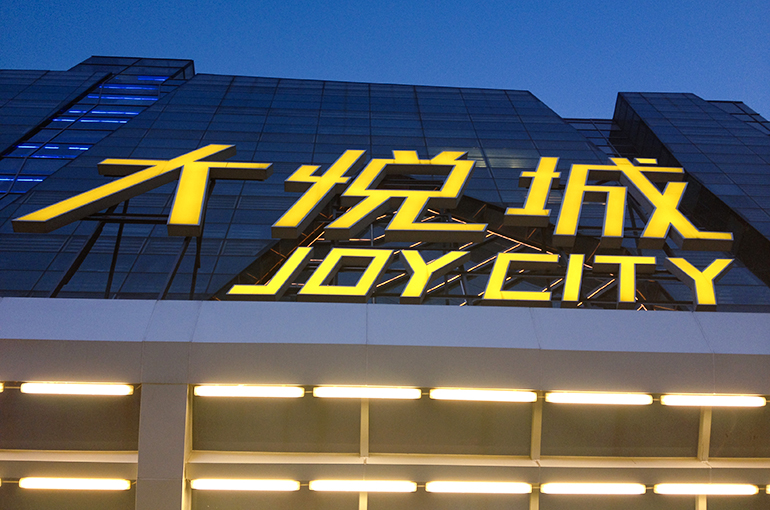
Joy City is a subsidiary of a major Chinese state-owned food processing conglomerate. As of the end of last year, it owned or managed 32 shopping malls under the Joy City brand, along with Joy Hub hotels and other commercial projects across China.
The largest shareholder is Grandjoy Holdings Group, another subsidiary of the parent company, holding a 64.2% stake. It announced in late July a plan to repurchase shares worth roughly HKD 2.9 billion (around USD 373 million).
Once privatization is finalized, Grandjoy’s ownership stake in Joy City will increase to 96.1%. The remaining 3.9% will be held by Demao, which currently owns about 2.6%.
Grandjoy noted that post-deal, the company’s increased equity stake in Joy City would lead to higher net profits attributable to the parent company.
The decision to go private is mainly driven by limited stock liquidity, restricted financing capabilities, and complex corporate governance issues, according to a real estate information firm. This move also provides existing investors with an opportunity to exit their holdings.
Given the ongoing adjustments within the Chinese real estate sector and the unpredictable, volatile market conditions, sales among property developers have declined sharply in recent years. These challenges make privatization a natural step during such a corrective phase.
Industry analysts suggest that the trend of delisting among real estate firms could continue over the next two to three years, as the sector experiences deeper restructuring and consolidation.
 ChatGPT
 Perplexity
 Gemini AI
 Grok AI