
Select Language:
The second and third immersive indoor theme parks are set to open this year, according to the senior vice president of a leading Chinese video streaming platform.
The upcoming two locations—Kaifeng in central Henan province and Beijing—began construction last year and are expected to debut by year’s end, confirmed the head of the company’s experience division in an interview. These new parks will be larger and aim to attract a broader audience.
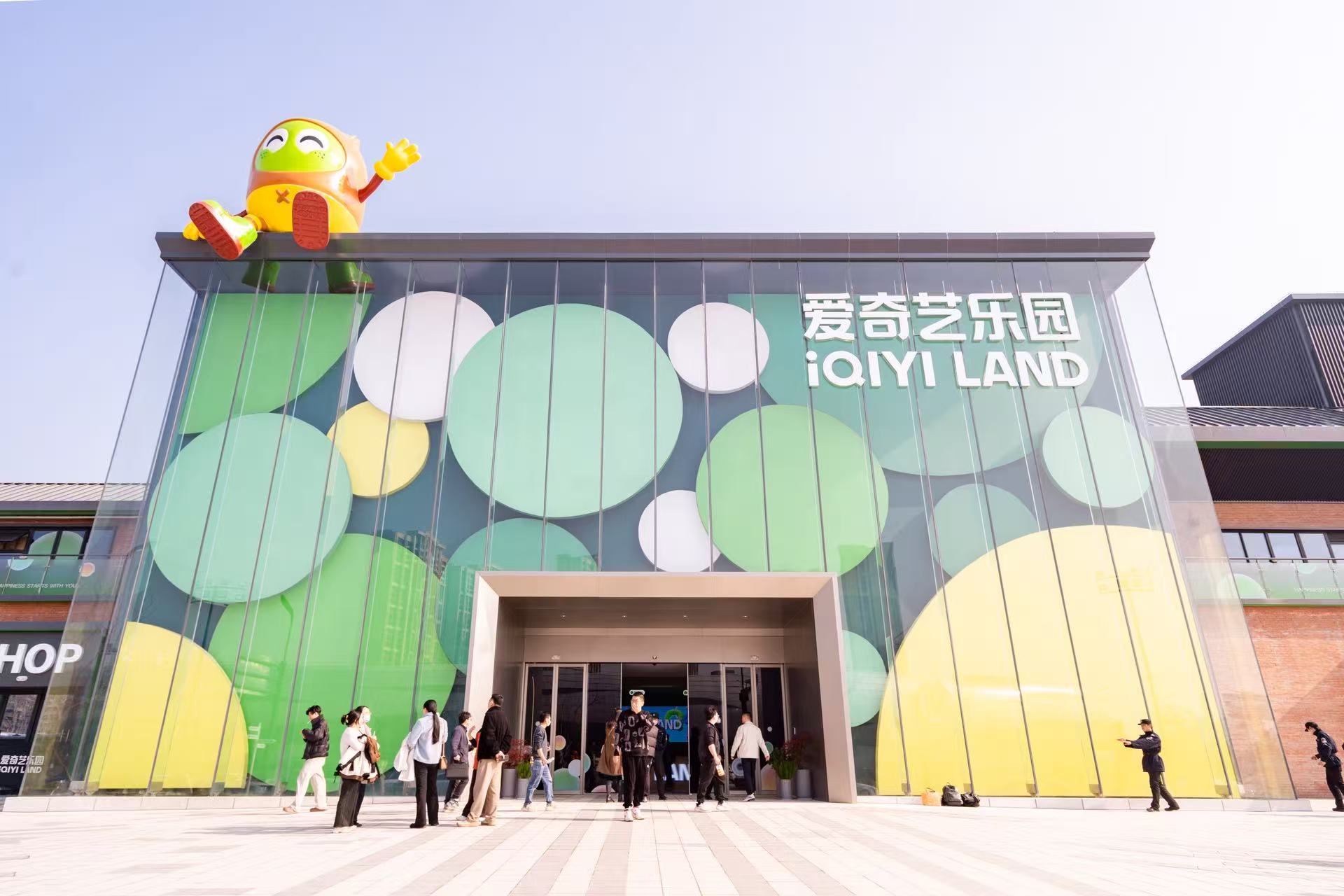
The inaugural immersive park was opened on February 8 in Yangzhou, located in eastern Jiangsu province. It spans seven themed zones across urban buildings, offering immersive theaters, interactive light and shadow zones, live stage shows, character meet-and-greets, social games, and exclusive retail and dining experiences tied to popular intellectual properties.
“The Kaifeng location will be more than twice the size of Yangzhou’s park since it targets a wider demographic,” the executive explained. While Yangzhou mainly appeals to women aged 16 to 35, the Kaifeng park will also cater to men and families, with a diverse range of IP experiences,” they added.
Despite its prime location in a major city, the Beijing park will be more compact. Instead of a large space in the suburbs, it will occupy a smaller area inside a shopping mall in the city’s business district. Ticket prices will fluctuate based on the park and the day of the week.
Each of the three parks will showcase unique experiences influenced by local culture, allowing visitors to enjoy different themes across locations. “This approach enables fans to visit Yangzhou this year and explore other parks later,” the executive shared.
Looking ahead, the company is cautious about expanding further. Although some cities with large youth populations and high spending power are under consideration, no concrete decisions have been made. The focus now is on analyzing visitor preferences and refining the current parks before planning additional expansions.
“Once these three parks are operational, we’ll observe which experiences resonate most with visitors and improve based on their feedback,” the senior official stated. “Our priority now is perfecting these locations, laying a strong foundation for future growth.”
Regarding international expansion, the company has already explored the idea of establishing parks abroad, especially since their overseas platform has seen rapid growth over the past two years. “We’re conducting online testing to identify which of our IPs are most popular and financially viable,” the executive explained.
“With sustained creativity, innovative technologies, including artificial intelligence, we can enhance our production process and continue to grow,” the company’s leader added.
The Journey to Yangzhou’s Immersive Park
The opening of the Yangzhou location marks a significant step in transitioning from purely online content to immersive offline experiences. While the development process appeared swift—taking less than a year—the groundwork was laid much earlier.
A dedicated team focusing on content creation and technological innovation for offline, interactive spaces has been in place since 2017. Since then, nearly 60 immersive theaters have been launched across 30 Chinese cities, including Shanghai.
By integrating virtual reality, augmented reality, artificial intelligence, sound, and lighting, the goal is to deliver thrilling experiences within a compact space.
“After 15 years of building emotional bonds online,” the company’s founder explained, “we’re bringing those connections into the physical world with this new venture.”
He further mentioned that blending original Chinese IP with immersive tech like VR and AI positions the parks as innovative, interactive destinations connected deeply to their content. As demand for offline entertainment increases, the parks are expected to serve as a catalyst for long-term growth.
The team also leveraged their experience with offline traffic management and efficient space utilization to optimize the parks’ design and operations, making them more compact and cost-effective.
The choice of Yangzhou as the first park’s location was strategic, given the city’s appeal to millions of tourists annually. The company plans to boost local tourism by attracting new visitors and encouraging longer stays, while also creating at least 100 local jobs, with numbers varying seasonally.
Visitor numbers are capped at approximately 300,000 annually, emphasizing quality experiences over sheer volume—prioritizing visitor satisfaction over maximum foot traffic.
 ChatGPT
 Perplexity
 Gemini AI
 Grok AI