
Select Language:
Domestic bathhouses that offer hot springs, dining, karaoke, movies, tabletop games, and other leisure activities are drawing a large number of visitors from countries such as the UK, the US, South Korea, Russia, and beyond.
Over the past six months, there has been a notable rise in tourists from Europe and North America, according to the general manager of the Header Hot Spring Hotel. On average, a dozen international visitors arrive daily, many after discovering these spots through videos on social media platforms like Xiaohongshu and X.
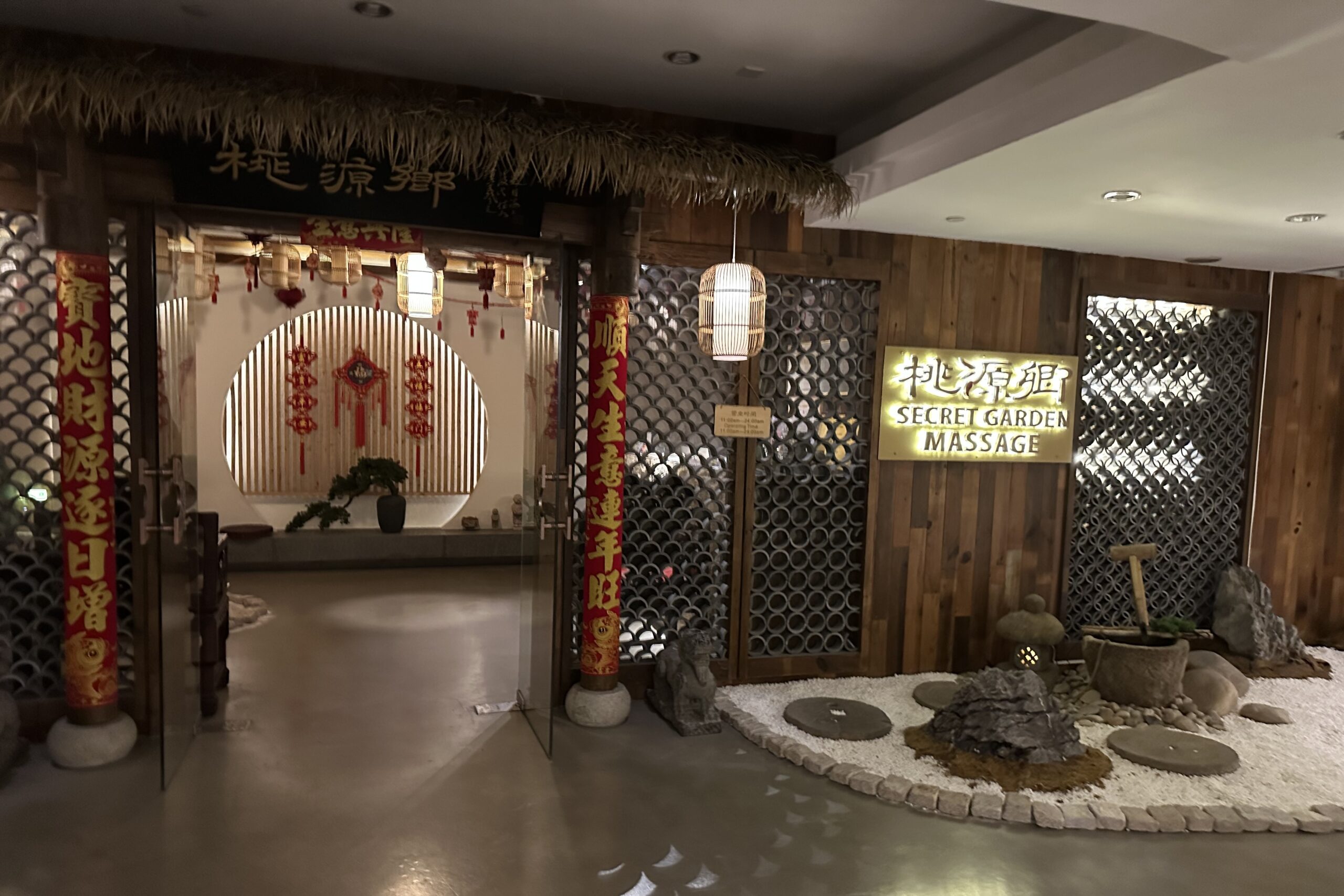
The Taoyuanxiang Massage bathhouse in Shanghai shared that more than 80% of its customers are from South Korea, with many returning multiple times.
Last year, Shanghai welcomed approximately 9.36 million international tourists, reflecting nearly a 40% increase from 2024, government data reveal.
Across China, transactions at bathhouses jumped over 30%, with around one-third of these purchases involving visitors from different regions. The average spending per visit at new establishments has risen by 60%, according to data from a popular on-demand service provider.
Foreign travelers often praise the great value for money. For instance, a group ticket costing around CNY 300 (roughly USD 44) at Shuiguo Hot Spring provides 18 hours of relaxation, meals, breakfast, late-night snacks, and various entertainment options, with an overnight surcharge of just about CNY 60 (USD 9).
Some companies from Southeast Asia have organized team-building activities at Shanghai bathhouses, incorporating karaoke, dining, board games, and more. This strategy, pointed out by a local tourism expert, helps travel agencies improve customer satisfaction and foster long-term business relationships.
AI translation tools have also gained popularity at these venues, easing communication barriers.
After an incident involving hosting tourists from Mongolia, the Header Hot Spring Hotel decided against hiring multilingual staff. Instead, they now rely on AI tools like ByteDance’s Doubao to communicate with international visitors. “There will always be language challenges, so it’s smarter to use AI to address them,” they explained.
This growing trend toward bathhouse visits signifies a broader shift in the tourism industry from purely service-based to immersive experience-driven travel. Favorable visa policies in China have encouraged repeat visitors to explore not just landmarks but everyday life. Places like bathhouses and food markets have become “vital windows” into Chinese culture, experts note.
Business owners are advised to ensure multiple payment options are available, including credit cards, cash, and convenient QR code methods, to cater to international guests.
 ChatGPT
 Perplexity
 Gemini AI
 Grok AI