Select Language:
Chinese businesses are engaging in negotiations with clients from Europe and North America, as rising raw material costs driven by tensions in the Middle East are leading to increases in product prices.
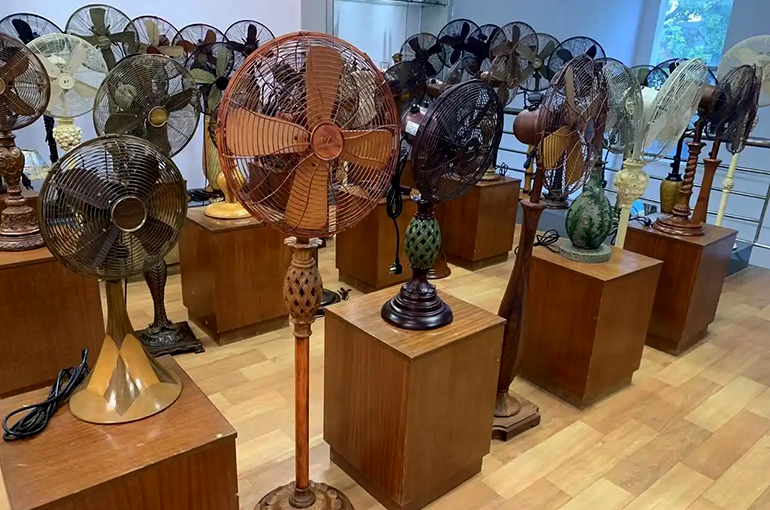
Last week, a client from the United States informed Luckyway Home Appliances of plans to boost fan orders by more than 10 additional containers on top of their previous order of over 100 containers. European customers have also indicated they want to increase their order volumes by approximately 10%, according to Li Mingyang, the company’s general manager.
Li explained that these clients are reaching out proactively due to concerns about how long the Middle Eastern conflict might last, which could drive up manufacturing costs for electric fans next year. However, they expect to receive products at previous prices, which the manufacturer cannot sustain.
Since the conflict began, Luckyway Home Appliances has seen its overall costs rise between 20% and 40%. This increase is mainly due to surges in the prices of raw materials such as plastic, copper, steel, and iron. To maintain their current profit margins, the company has had to raise prices on new orders by more than 20%.
Despite these proposed price increases, European and American clients have yet to accept the hikes. The company continues to negotiate and remains optimistic about maintaining customer relationships, even with the higher quotation.
A senior executive at a small Chinese home appliance exporter shared that the conflict in the Middle East has primarily affected the industry through increased raw material costs and limited supply of imported materials. To adapt, their company has substituted some parts with domestically produced alternatives, which has been well received by customers. Overall, they anticipate order levels will stay steady.
Li added that some orders previously shifted to Southeast Asian suppliers might come back to China, thanks to the country’s comprehensive industrial infrastructure, stable power supply, and large-scale manufacturing capabilities. Chinese companies are better positioned to control production costs and ensure reliable delivery during the ongoing global unrest.
If oil prices remain high, international orders are likely to return to China. This is partly because Southeast Asian countries only hold about 20 to 30 days of crude oil reserves, and the longer shipping times from Vietnam and Thailand complicate supply chains. Additionally, some crucial parts are supplied by Chinese manufacturers, making China an even more attractive sourcing option amid rising raw material costs.
The ongoing conflict in the Middle East continues to impact global manufacturing, and widespread inflation expectations are expected to suppress product sales worldwide. Industry insiders emphasize that Chinese firms still hold a competitive edge in maintaining stable supply chains during these turbulent times.
 ChatGPT
 Perplexity
 Gemini AI
 Grok AI