Select Language:
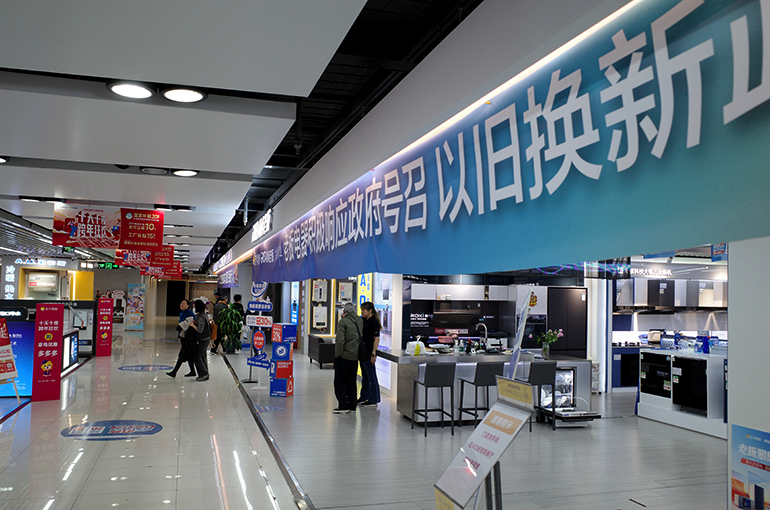
Many regions across China have already started selecting participating companies and subsidy platforms in preparation for next year’s consumer goods trade-in initiative, which will encompass a wide range of sectors such as automobiles, home appliances, and digital electronics.
In cities like Shenzhen, efforts are underway to recruit service providers for vehicle trade-ins, expected to deliver comprehensive support including eligibility assessments, fund management, and risk mitigation strategies.
The Commerce Department in Ulanqab, located in Inner Mongolia, announced on December 22nd that it is seeking participants for its 2026 trade-in scheme targeting home appliances and new digital devices. Applicants must be capable of managing sales, recycling processes, after-sales support, and prepayments. They are also required to integrate with payment platforms for eligibility verification and subsidy claims, maintain detailed records of sales and recycling activities for traceability, and operate under strict supervision from financial, business, and auditing authorities.
Numerous regions are increasing entry standards and enhancing oversight throughout the process. Service providers, in particular, are now mandated to bolster their vigilance against risks such as online fraud, counterfeit systems, and irregular declarations.
These tightened regulations are a direct response to previous regulatory gaps. Audits from various regions in 2024 revealed issues within some trade-in programs, including insufficient review procedures and wrongful subsidy disbursements. For instance, in Beijing, 50 new-energy buses mistakenly received subsidies totaling 4 million yuan (around USD 570,000). There have also been cases where resellers resold subsidies or engaged in other illegal profit-making activities.
In 2023, China issued 300 billion yuan (approximately USD 42.7 billion) in long-term special treasury bonds to fund the trade-in program, supporting five primary sectors: automobiles, home appliances, digital products, household decoration and kitchenware, and electric bicycles. By November, this policy had generated over 2.5 trillion yuan (about USD 356.5 billion) in related sales, benefiting more than 360 million consumers.
 ChatGPT
 Perplexity
 Gemini AI
 Grok AI