Select Language:
Standard Chartered Collaborates with Industry Experts to Chart the Transition from the “World’s Factory” to a “Global Innovation Hub.”
Introduction
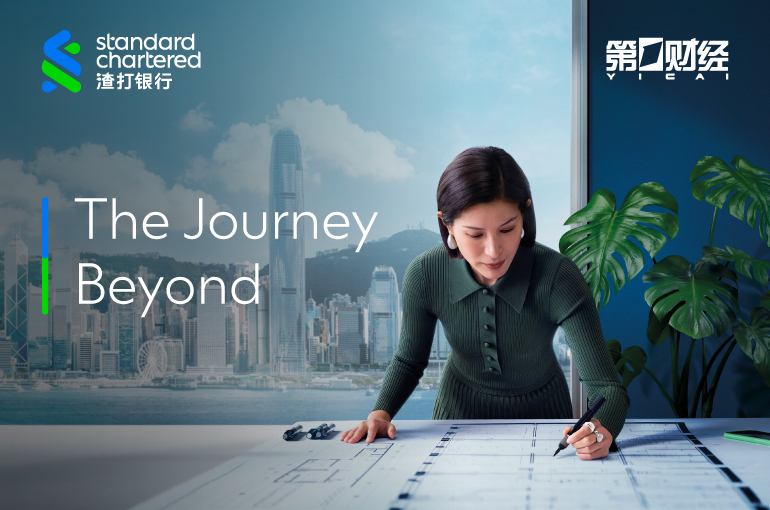
Today’s wave of Chinese companies expanding internationally is shaping up to be unprecedented in scale and scope. In this context, Standard Chartered has joined forces with industry leaders to launch a series called “The Journey Beyond.” This series seeks to comprehensively document and interpret the shift in structure among small and medium-sized Chinese enterprises as they venture overseas. This partnership exemplifies how collaboration across borders is vital in navigating today’s complex, dynamic global environment — only through collective effort can we gain deeper insights and broader perspectives.
From aiding tech firms in establishing international innovation centers to helping manufacturing companies optimize supply chains and global operations, the bank’s efforts across various markets emphasize a consistent message: supporting current growth while ensuring sustainable, long-term success that transcends time and space.
Additionally, the global expansion journey involves integrating into a wider ecosystem. This ecosystem includes financial institutions, media outlets, think tanks, legal and professional services, and local partners — all forming a network that encourages enterprise growth. The series “The Journey Beyond” stems from this shared understanding — acting as both connector and chronicler to energize and support this ecosystem beyond singular dimensions.
Changing Times: From a “Optional” to a “Required” Question
As we step into 2026 — the first year of the 15th Five-Year Plan — an emerging consensus is clear: for many Chinese companies, especially SMEs, globalization has shifted from an optional venture to an essential factor for long-term survival and growth.
The global supply chain is undergoing fundamental restructuring, while regional collaborations are intensifying. Against this macroeconomic backdrop, Chinese businesses are being redefined within the world economy. For smaller firms, internationalization is no longer just about growth in scale but about developing capabilities, technologies, management practices, and even business models — a systemic transformation.
A silent yet profound shift is happening: countless SMEs are evolving from peripheral players in manufacturing to vital nodes in the global value chain. Each proactive step taken by individual firms contributes to a collective momentum for industry-wide transformation.
Our long-term observations reveal a recurring theme: companies that sustain steady growth tend to proactively strategize around three core relationships — time, space, and people. Questions such as how to overcome economic cycles, how to optimize resource deployment across different regions, and how to foster long-term consensus at organizational and family levels are fundamental to global strategy. These questions underpin the essential approach needed for effective globalization — systematically and patiently addressed.
The New Terrain of Global Expansion: Four Types and a Shared Approach
Based on extensive experience supporting and observing companies in their international growth, it’s clear that enterprises at various stages and with differing models confront unique yet structured challenges. Four primary profiles stand out distinctly.
The first profile encompasses SMEs engaged in cross-border trade. These companies have strong roots in ASEAN and Belt and Road markets, often handling multi-currency transactions. For them, managing currency fluctuations, ensuring efficient capital flows, and balancing stability with flexibility are practical daily concerns.
The second profile involves manufacturing firms operating across various markets. They maintain production facilities and operations in multiple jurisdictions, facing challenges like supply chain coordination, cross-border capital management, and compliance. Developing mature systemic capabilities is key to managing decentralized operations effectively.
The third profile pertains to companies focused on overseas investment and listings. These firms engage with global capital markets, requiring partners who understand long-term cycles and can support stages from early investment structuring to compliance, to managing the post-listing growth process.
The fourth group features leaders who serve both as entrepreneurs and family custodians. These individuals oversee internationalization alongside personal and family wealth planning, succession, and responsibility management — emphasizing the importance of “long-term order” across career, wealth, and family spheres.
While their paths and stages differ, these enterprises share a core logic: they actively build resilient structures capable of enduring volatility and cyclical challenges. Expanding globally essentially means upgrading governance, resource allocation, and risk management frameworks on a broader scale.
From Service Providers to Ecosystem Co-Creators
As enterprise needs evolve, so must the roles of supporting institutions. Financial firms, media outlets, and consultancies are shifting from being mere service providers to becoming active participants and long-term partners in the globalization ecosystem.
A truly effective network depends on deep understanding and collaboration — working with legal, advisory, investment, and local service partners to create a stable support system, reduce informational gaps, and enable quick integration into local business environments.
In this context, the role of industry-specific media is particularly vital. Through long-term, professional analysis, they document enterprise journeys, share insights, and foster dialogue on critical strategic decisions, helping more organizations learn from real-world experiences.
The Journey Beyond: A Record and a Partner
Building on these insights, the new series “The Journey Beyond” aims to serve as both a detailed log of enterprise experiences and a long-term companion in the globalization process.
It focuses on pivotal decision moments and hesitations, highlighting structural choices that shape an enterprise’s fate and the support systems around them. The series offers not just success stories, but deep analysis of the ecosystem interactions that drive international growth.
By documenting and analyzing these real-world challenges and strategies, the series aspires to create a shared knowledge base — a resource that inspires and guides others embarking on similar journeys, making the path less lonely and more strategic for all involved.
Final Thoughts
Globalization now demands more resilience, wisdom, and collective effort than ever before. Moving forward is not only about courage but also about making sound judgments, building robust structures, and nurturing trusted partners for the long haul.
“The Journey Beyond” aims to be a foundation of ongoing observation, reflection, and exploration — alongside Chinese enterprises on their path of internationalization, and extending beyond to all engaged stakeholders in China’s global trade landscape.
The road may be long, but collaboration will help us reach further. This initiative honors every bold start and stands with those experiencing steady growth on their journey.
 ChatGPT
 Perplexity
 Gemini AI
 Grok AI