
Select Language:
Due to rising fuel prices, logistics companies across China have increased their fees in several regions, including Fujian, Jiangxi, and Shandong provinces. The surge in fuel costs, driven by force majeure since March, has significantly driven up supply chain expenses. A courier company recently informed customers that in order to sustain its delivery network, it was compelled to raise pickup charges.
Since the conflict in the Middle East began in late February, fuel prices in China have been adjusted three times, causing gasoline and diesel prices to rise by a total of CNY2,275 (approximately USD333) per ton and CNY2,185 per ton, respectively.
Major couriers such as J&T Express, STO Express, and ZTO Express have implemented increased pickup fees in Shandong starting April 1. The cost for parcels under 3 kilograms has increased by 15 Chinese cents (around 2.2 US cents) per order, while parcels over 3 kilograms now cost an additional 5 Chinese cents (about 0.7 US cents) per kilogram.
This price hike primarily targets business clients, including merchants selling on e-commerce platforms. Customer-side individual order prices have remained stable for now, according to industry insiders. However, delivery costs are expected to gradually spread across the country, which may eventually impact individual consumers as well.
Experts in logistics and express delivery note that price increases will gradually extend nationwide, with potential ripple effects on personal orders. The industry is also emphasizing the importance of protecting couriers’ welfare and reducing cut-throat price competition. Raising prices is considered a key strategy to achieve these goals this year.
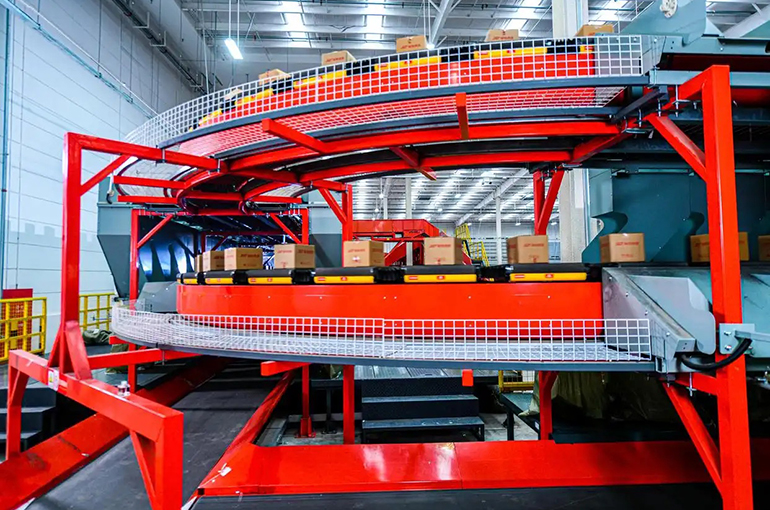
In recent years, delivery firms have focused on cost-cutting and improving efficiency by investing heavily in automated systems and artificial intelligence. For example, SF Express reported a 63 percent increase in the deployment of automated equipment in its warehouses last year. Additionally, they are working to integrate AI, robotic process automation, and intelligent algorithms more deeply into their entire warehouse operations.
 ChatGPT
 Perplexity
 Gemini AI
 Grok AI