
Select Language:
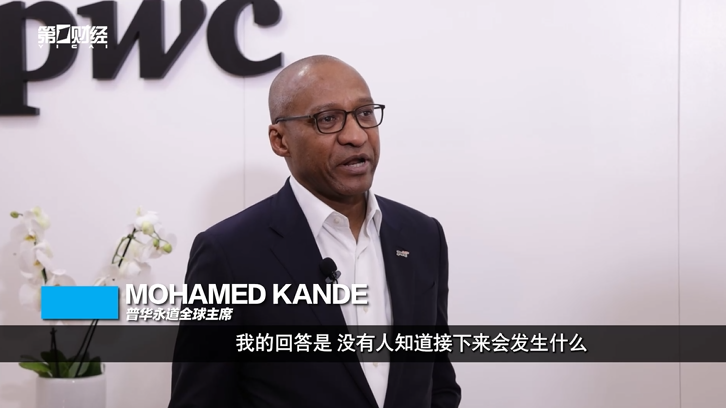
Chinese CEOs are notably more optimistic about the future of artificial intelligence, according to the global chairman of a major UK accounting firm. This positive outlook is largely linked to China’s substantial investments in the AI sector, he explained in an interview yesterday.
A recent survey of over 4,000 CEOs worldwide revealed that confidence in their companies’ growth prospects has hit a five-year low this year, primarily due to rapid technological changes and shifting geopolitical dynamics, the firm’s report stated on Jan. 19.
Excerpts from the interview include:
Q: What is the most common question you receive from CEOs around the globe?
A: They often ask, “What do you think is going to happen next?” My honest reply is that nobody truly knows. Instead, we should focus on the behaviors that leadership teams and CEOs need to adopt to navigate these times. While predicting the future is impossible, we can shape it through our actions based on the current trends we observe.
Q: The 2026 Global CEO Survey indicates that CEO confidence in revenue growth has fallen to its lowest point in five years. What’s driving this?
A: The drop in confidence stems from the significant amount of change happening across several areas. Many CEOs are accustomed to having control over their businesses—initiatives they take usually allow them to predict outcomes. Now, we’re facing two major sources of uncertainty: the rapid evolution and adoption of artificial intelligence, which companies see little immediate result from, and geopolitical instability, with fluctuating tariffs and brand-new global alliances. This increased unpredictability has shaken CEO confidence.
Q: Your survey suggests that tangible benefits from AI adoption are still elusive. What should CEOs focus on now?
A: When we say technology is effective or should be, it’s because the foundational tools are available globally. The key isn’t just in adopting AI but in how businesses incorporate it into transformation strategies. Moving beyond experimentation and use cases to fundamentally changing how a business operates—and working differently with people—is crucial. This involves reevaluating business processes, models, and training methods. Simply deploying AI in existing workflows without rethinking approaches won’t deliver the desired benefits.
Q: How should companies handle geopolitical tensions that create unprecedented levels of uncertainty?
A: This situation is indeed unprecedented. Our first advice is for clients to actively learn what’s happening around the world—by asking the right questions and paying close attention, since everything is interconnected. Next, we suggest engaging in scenario planning to understand various options and prepare for different outcomes. Lastly, it’s vital to continue executing strategic plans with agility, allowing for adjustments as new information surfaces. Combining scenario planning, agility, and continuous learning provides a solid approach to managing current and future challenges.
Q: Your survey covered over 4,000 companies. Are there particular differences among Chinese CEOs? Are they more cautious or confident in certain areas?
A: Chinese CEOs are notably more optimistic about AI’s future. Having visited China several times, I can see that their confidence is well-founded, thanks to the significant investments the country has made in AI. This strong level of investment appears to be fueling their positive outlook about AI’s potential.
 ChatGPT
 Perplexity
 Gemini AI
 Grok AI