
Select Language:
In response to escalating geopolitical tensions between China and Japan, all flights on 12 routes connecting the two countries have been canceled by Chinese airlines. As a result, hundreds of thousands of travelers from mainland China have been able to refund their tickets.
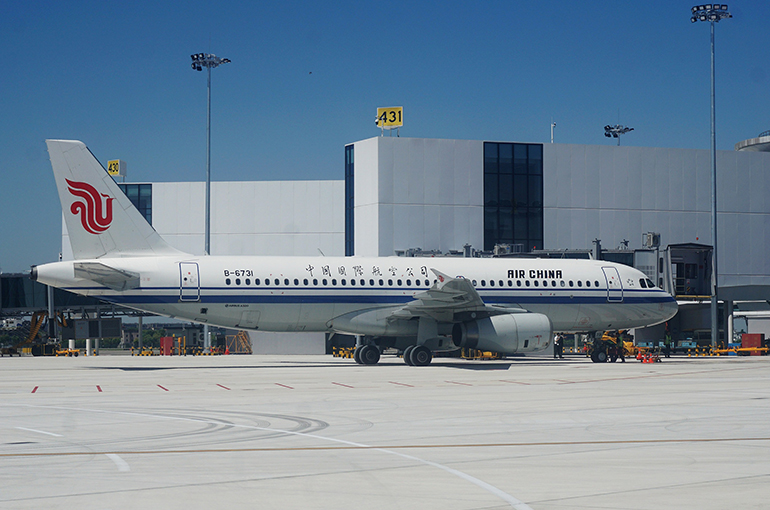
Xiamen Airlines has halted all flights from Hangzhou to Chubu Centrair International Airport, while Hainan Airlines has suspended services from Xi’an to New Chitose Airport. Additionally, Air China has reduced its weekly flights on the Shanghai-Osaka route from 21 to 16, and China Eastern Airlines has cut six flights from its original 14 on the Beijing-Osaka route.
The 12 routes impacted already experienced low flight frequencies, according to recent data from Flight Steward. Previously, many flights connected Chinese cities to Kansai International Airport; however, since most travelers visiting Osaka do so for leisure, the cancellation rate is higher. Conversely, a significant number of travelers to Tokyo are there for business reasons, making them less likely to change their plans, industry experts noted.
For example, the cancellation rate for direct flights from Tianjin Binhai International Airport reached approximately 65%, while flights from Nanjing Lukou International Airport saw over 59% cancellations, according to TravelSky data.
Between Nov. 15 and Nov. 18, bookings for flights operated by Chinese airlines to Japan declined by more than 543,000 tickets—meaning over half a million tickets were canceled within the three days following the announcement of free refunds and rescheduling options for passengers, aviation analyst Li Hanming previously explained.
In response, more than a dozen Chinese airlines, including the country’s three largest state-owned carriers—China Eastern, China Southern, and Air China—offered free refunds and rescheduling options for flights to Japan booked between Nov. 15 and Dec. 31. This move came after China advised its citizens to avoid traveling there due to heightened political tensions.
Japanese hotel operators are also experiencing increased pressure because of the decline in Chinese visitors. A Chinese-speaking tour guide in the Shikoku region told reporters that this period was traditionally the busiest time of the year, but cancellations from Chinese tour groups scheduled for next month have disrupted the peak tourism season, introducing significant uncertainty.
“We’ve already noticed a drop in demand for local services from Chinese mainland tour groups,” she said. “Many travelers who canceled their flights on short notice are independent tourists, so the actual number of hotel cancellations is likely even higher.” She expressed concern about the potential long-term impact, stating, “If this situation persists for a year, it could resemble the sluggish days during the pandemic.”
According to data from Chinese travel platform Qunar, South Korea has emerged as the top foreign destination for Chinese tourists. Seoul leads in outbound flight searches, followed by popular destinations such as Bangkok, Hong Kong, Singapore, Kuala Lumpur, Macau, Sydney, and Bali.
 ChatGPT
 Perplexity
 Gemini AI
 Grok AI