
Select Language:
Chinese companies that used to focus solely on providing overseas warehousing services are now expanding their offerings to better assist domestic e-commerce vendors in adapting to international markets, according to industry insiders.
The demand for overseas warehouse solutions is increasing as more online sellers turn to these facilities to fulfill orders efficiently. Li Qin, CEO of a leading supply chain solutions provider, shared insights during a recent industry conference, highlighting this trend.
Founded in Shenzhen, the company offers comprehensive, end-to-end supply chain services tailored for cross-border e-commerce businesses. It was among the first Chinese firms of its kind to go public, listing on the Hong Kong Stock Exchange last year.
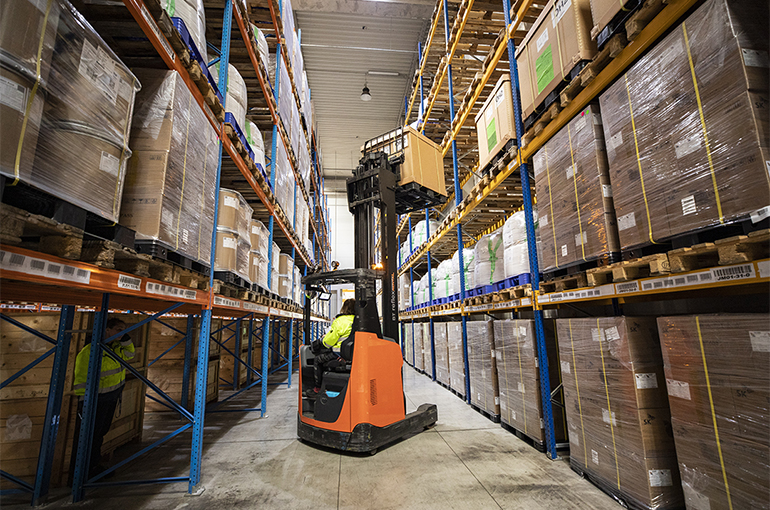
Today, overseas warehouses are no longer just storage units—they serve as critical points of contact between suppliers and their international customers. The company is exploring innovative business models, such as combining storefronts with warehousing capabilities.
Additionally, since overseas warehousing companies typically enter foreign markets before their clients, they can provide a range of value-added services—from product certification and local staffing to agency support. They can even help vendors establish offline sales channels, including securing shelf space in local supermarkets.
To succeed, overseas warehouse operators must understand local laws, tax regulations, and sales channels. Maintaining strong relationships with local logistics providers and government authorities is essential to offering comprehensive market entry support, no matter where clients wish to expand.
 ChatGPT
 Perplexity
 Gemini AI
 Grok AI