
Select Language:
China is emerging as a global hub for chimeric antigen receptor-T cell (CAR-T) therapy, a groundbreaking cancer treatment that re-engineers a patient’s own white blood cells to target and destroy tumors. This shift is driven by quicker access to treatments, reduced costs, and expanding hospital capacities across the country.
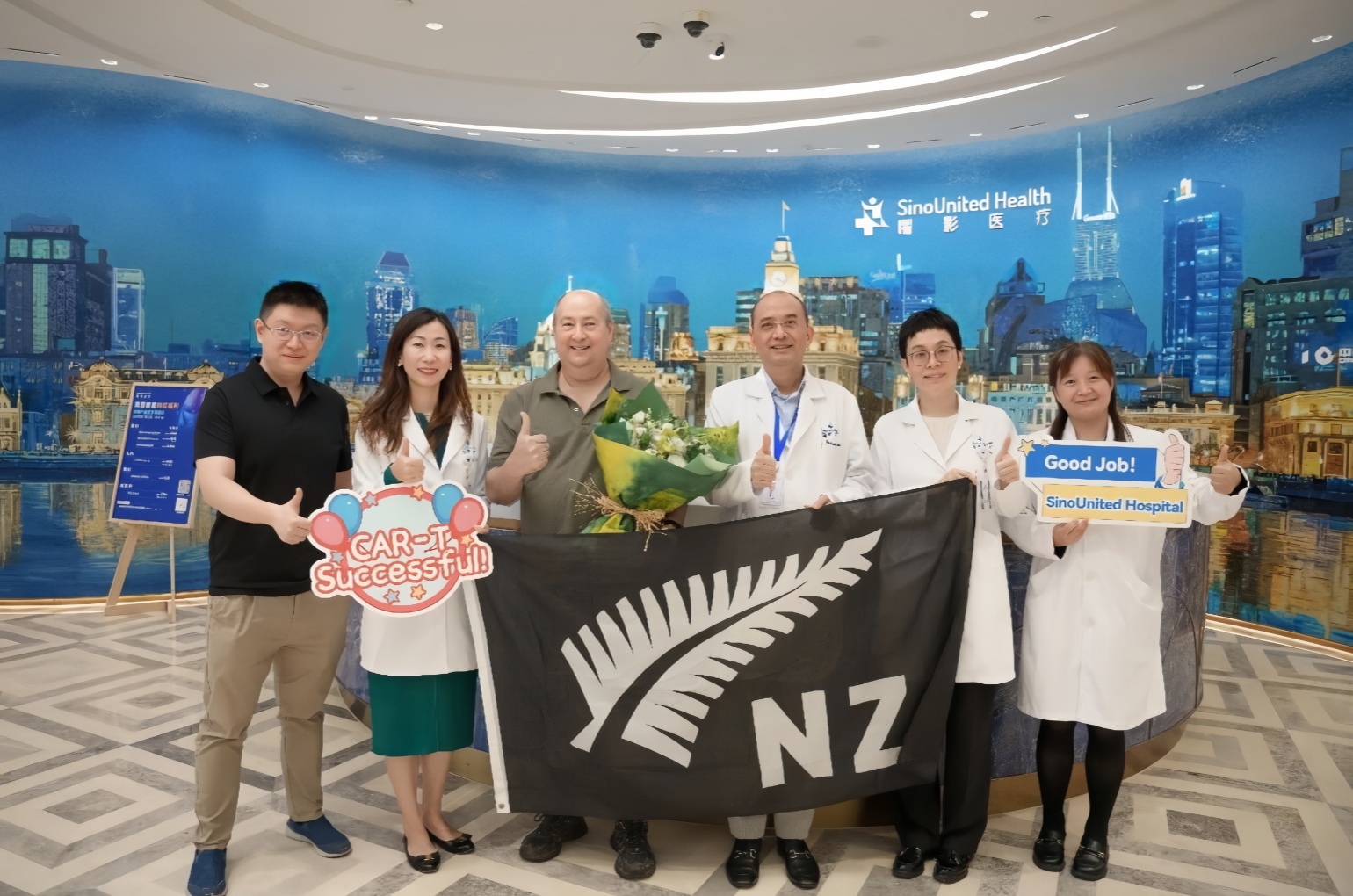
Since establishing its international CAR-T therapy center in May, a private healthcare provider based in Shanghai has received over 100 international inquiries and treated more than 20 foreign patients from 12 nations, including New Zealand, the UK, Germany, France, Canada, and Singapore.
One notable patient—Dale De Penning from New Zealand—traveled to Shanghai after doctors told him he had only months to live and should consider palliative care at home. After undergoing bridge therapy, a temporary form of treatment, followed by CAR-T infusion at the facility, his tumor vanished within three months, enabling him to return to a normal life.
“The most rewarding part is hearing back from patients overseas, seeing them recover and return to their daily routines,” said the director of hematology at the medical center, speaking at an international health forum in late November.
The increasing number of patients seeking advanced cancer treatments in China reflects how the country’s rapid development in innovative therapies is beginning to reshape the global landscape of high-end medical services, industry experts note.
Strengths of China’s Medical Market
China’s attractiveness as a destination for CAR-T treatments stems from its large healthcare infrastructure, swift treatment processes, and cost advantages compared to Western markets.
“In recent years, we’ve probably performed more CAR-T procedures here than anywhere else in the world,” remarked a Hong Kong-based professor and hematologist.
Since China approved its first CAR-T therapy in 2021, eight products have received approval as of late last month, targeting blood cancers and solid tumors. Meanwhile, the US has approved seven CAR-T treatments mostly for blood cancers over the same period.
High clinical volumes allow for shorter treatment cycles, quicker patient enrollment, and experienced physicians capable of managing complex side effects—crucial benefits for patients with relapsed or resistant lymphoma, whose conditions can deteriorate rapidly.
The founder and CEO of the healthcare organization described this rapid response as “China’s quick mobilization,” emphasizing how medical teams, facilities, and supply chains can be activated in days instead of months.
“China is truly leading the way in advancing and innovating within CAR-T therapy,” said a medical director at a prominent US medical center.
Although pricing details weren’t specified, industry estimates suggest significant cost disparities: CAR-T treatments in the US can range from approximately $273,000 to nearly $475,000, while prices in China start at around CNY 1 million (about $141,430). For many patients who pay out-of-pocket, these differences often determine access.
“The financial aspect remains the biggest hurdle,” noted the Hong Kong-based expert. “Not all patients can afford the treatment, and government support is limited in many cases.”
Institutions in emerging markets face similar challenges. For instance, a hospital in the Philippines refers patients to Shanghai due to the unavailability of CAR-T therapies locally, compounded by minimal government funding and sparse insurance coverage, explained a hospital doctor.
Private Healthcare Evolution
The rise of CAR-T treatments signifies a notable shift in China’s private healthcare landscape, traditionally focused on primary care, pediatrics, and preventive health. Now, providers are branching into oncology, hematology, and cutting-edge therapies.
CAR-T therapy’s demanding infrastructure needs—such as intensive care units for managing side effects like cytokine release syndrome and neurotoxicity, multidisciplinary teams, and long-term patient monitoring—pose logistical challenges, especially for international patients. Extracting the full benefits requires careful coordination of visas, accommodation, and data sharing between different healthcare systems.
“The international medical services sector demands comprehensive cycle management, not just innovation,” said a senior executive at a private healthcare organization.
In De Penning’s case, treatment coordination involved multiple locations, with teams from China and New Zealand working closely together on every step, from bridge therapy to follow-up care.
Shaping Global Standards
This trend in medical tourism reflects a broader transformation in China’s healthcare sector. While the country has historically focused on exporting pharmaceutical licenses, the influx of international patients signals a new frontier—exporting high-end medical services.
China’s large patient base, streamlined regulatory processes, skilled clinicians, and competitive prices position it as a key access point for advanced therapies. Experts argue that China can also influence international standards—calling for multi-center, global clinical trials to ensure therapies benefit patients worldwide, not just in China or the US.
A leading professor from a prominent hospital highlighted the importance of international collaboration, emphasizing the need for diverse and inclusive clinical studies to meet global challenges.
The growth of medical tourism in this area underscores China’s transition from a follower to an innovator in biotech, with private institutions developing capabilities for complex treatments that once were exclusive to public hospitals.
 ChatGPT
 Perplexity
 Gemini AI
 Grok AI