
Select Language:
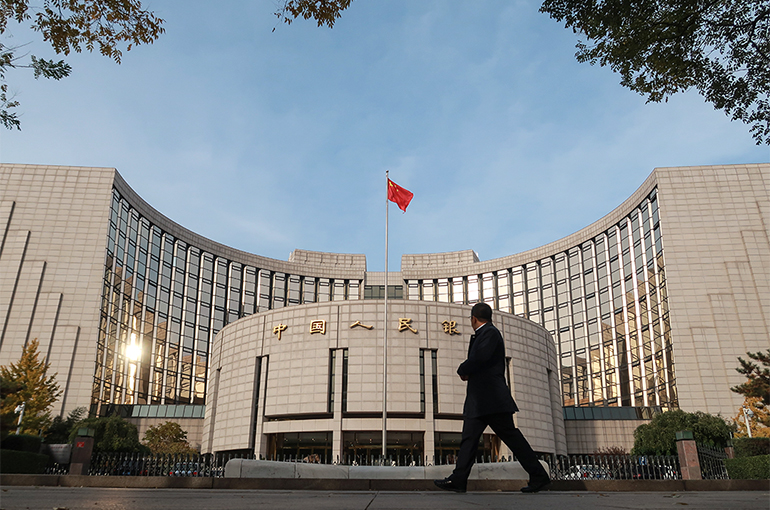
From next year, China’s central bank will roll out a one-time credit relief initiative aimed at removing small defaults since the COVID-19 pandemic from borrowers’ credit histories. Borrowers who fully repay any single overdue amount of up to CNY10,000 (approximately USD1,420) incurred between January 1, 2020, and December 31, 2025, will have these overdue items removed from their credit reports if they settle the debts by March 31, 2026.
This marks the first time since the nationwide personal credit system was established in 2006 that a large-scale credit rehabilitation policy has been introduced. Currently, individuals with poor credit might face loan denial, lower credit card limits, card cancellations, or restricted access to preferential interest rates. Severe overdue accounts can lead to enforcement actions, which could limit their ability to travel by high-speed rail or plane or to enroll children in private schools.
Eligible individuals won’t need to apply or submit any documents for this credit clean-up, as the system will automatically identify qualifying borrowers and adjust their reports accordingly. The process is free and doesn’t involve third-party agencies, but users are advised to watch out for potential scams.
Credit inquiries can be made through bank mobile apps, online banking, UnionPay, or the official Credit Reference Center website. Offline options include self-service inquiry machines, ATMs, and service counters. The policy applies to all loan types—including personal loans, mortgages, consumer loans, and credit card debts—across all lending institutions connected to the central bank’s credit reporting system, from banks to microfinance and consumer finance companies.
It’s important to note that if a borrower has multiple overdue accounts, the policy will only apply to those that are paid off and meet the criteria. Outstanding overdue debts will still appear on the credit report. The central bank clarified that this one-time credit repair does not equate to a complete erase of credit history or debt forgiveness.
Using this policy, those genuinely facing hardship but actively working to meet their obligations can get some relief, according to a financial expert. “This is a special, one-time arrangement,” the expert said. “Any new overdue records occurring after 2026 will still be recorded and processed normally.”
The central bank did not specify the number of borrowers who are expected to benefit nor the total overdue records eligible for remediation. Since its launch in 2006, the credit reporting system has collected information on over 1.16 billion entities and has more than 810 million credit records as of November 30. In the first 11 months of this year, nearly 6.6 billion inquiries were made.
 ChatGPT
 Perplexity
 Gemini AI
 Grok AI