Select Language:
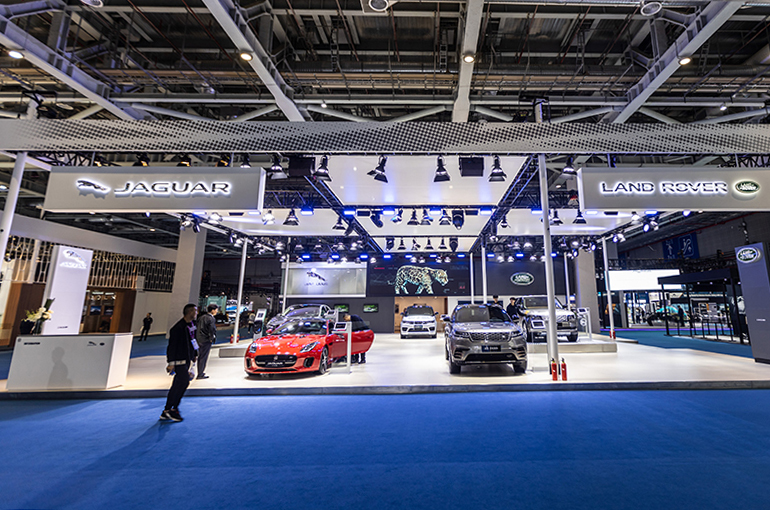
Chery Jaguar Land Rover Automotive, a joint venture between China’s Chery Automobile and the UK’s Jaguar Land Rover, has halted production of internal combustion engine vehicles and introduced a new independent electric vehicle brand.
The last fossil-fuel vehicle from Chery JLR, a Range Rover Evoque, rolled off the assembly line at its Changshu facility in China on March 31. This event coincided with the launch of the new Freelander brand and signifies the company’s official transition to electric mobility and smart technology in China.
Based in Coventry, the company invested approximately CNY 3 billion (around USD 436 million) to upgrade and modernize its new energy vehicle production line in Changshu, where all Freelander models will be produced.
The debut model of the Freelander brand, the Concept97, features batteries supplied by a leading Chinese tech company for range-extended and plug-in hybrid vehicles, along with an advanced intelligent driving platform from Huawei. Notably, it will be the first electric vehicle to utilize Qualcomm Snapdragon 8397 chips designed specifically for automotive applications.
The company anticipates the Concept97 will enter the Chinese market in the second half of next year. By the end of this year, Freelander aims to establish a retail network of 100 locations across 60 cities worldwide and plans to introduce six new models over the next five years.
“With total commitment and clear determination, Freelander is building a new brand with a fresh framework to compete globally for the next decade,” stated the company’s global CEO and executive vice president. “This demonstrates that a deeply integrated, independently operated Chinese team can develop a world-class luxury new energy vehicle brand.”
The Freelander brand development began in 2024, with global design leadership from the JLR team and engineering, sales, and service support provided by Chery Auto.
This move by Chery JLR joins other Chinese joint ventures of foreign luxury automakers that are launching new electric vehicle brands in China. Last November, Audi announced a partnership with SAIC Motor to co-develop a new luxury EV, marked by a logo featuring the company’s name in capital letters.
As China’s automotive industry navigates the crucial transition blending electrification and intelligent technologies, foreign automakers are shifting their focus from “manufacturing in China” to “developing for China,” emphasizing local co-creation rather than just exporting technology. They are also leveraging these local innovation efforts to benefit their global markets.
 ChatGPT
 Perplexity
 Gemini AI
 Grok AI