
Select Language:
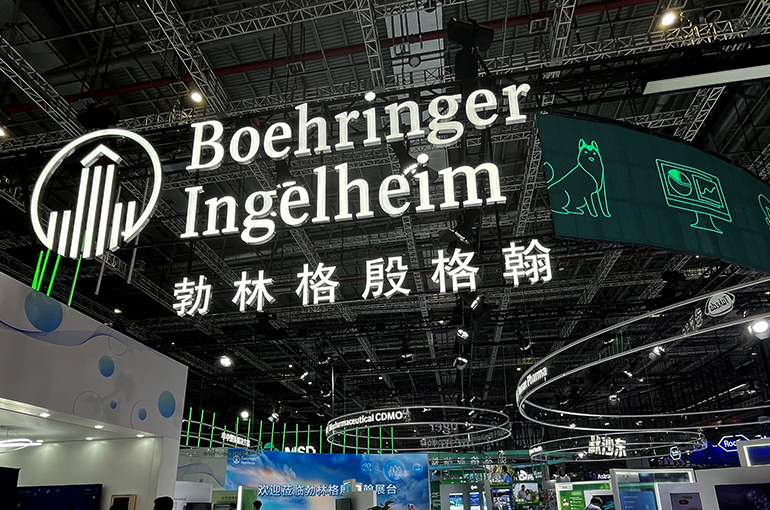
China’s drug review and approval process has accelerated significantly, positioning it as a crucial destination for launching innovative medicines, according to a senior executive from a major pharmaceutical company based in Germany.
The company’s chairman and head of its human pharma division mentioned during its recent earnings call that both of the new medicines introduced last year were launched in the Chinese market, highlighting the country’s strategic importance. One of these treatments addresses idiopathic pulmonary fibrosis and progressive pulmonary fibrosis and was launched first in China for PPF, marking a notable achievement and reflecting the company’s prioritization of China for initial launches.
In addition to this pulmonary fibrosis medication, the company’s oral drug for HER2-mutant advanced, non-squamous non-small cell lung cancer, approved in both China and the United States last year, exemplifies its focus on expanding offerings in the Chinese market.
The executive also noted plans to broaden collaborations within China, especially in areas aligned with the company’s core therapeutic areas, including cardiovascular, kidney, and metabolic diseases, oncology, inflammation, respiratory conditions, mental health, and eye diseases. The goal is to leverage China’s increasing innovation capabilities and faster development cycles while maintaining alignment with the company’s existing research initiatives.
Several executives emphasized China’s emerging role as a hub for drug innovation. A board member responsible for innovation mentioned that the organization considers China a key source of groundbreaking technologies and has dedicated a business development team in the region.
Recently, the company announced a licensing and collaboration deal with a Chinese pharmaceutical firm to co-develop a preclinical bispecific antibody aimed at treating inflammatory bowel disease. Amid trends of foreign pharmaceutical companies expanding partnerships with Chinese biotech firms and seeking licensing and acquisition opportunities, the executive highlighted China’s rapid advancements in biologics.
She expressed particular enthusiasm for China’s potential in biologics and new treatment modalities, noting the country’s strong capabilities in bispecific and trispecific antibodies and other innovative technologies. The company intends to continue collaborating closely with Chinese partners, aiming to build a robust pipeline by exploring global innovations.
The company’s pipeline for weight-loss medications is also gaining attention. It is working with Zealand Pharma on survodutide, an investigational dual agonist targeting glucagon and GLP-1 receptors for obesity, which is currently in multiple clinical trials.
This executive explained that survodutide is under evaluation in trials involving over 5,000 patients. The timeline for regulatory approval depends on trial results, including cardiovascular safety data, with most key results expected later this year. However, no formal timeline has been set due to the ongoing nature of the studies.
The partnership with Zealand Pharma follows a traditional licensing model, with the responsibility for developing survodutide resting with the company.
 ChatGPT
 Perplexity
 Gemini AI
 Grok AI