Select Language:
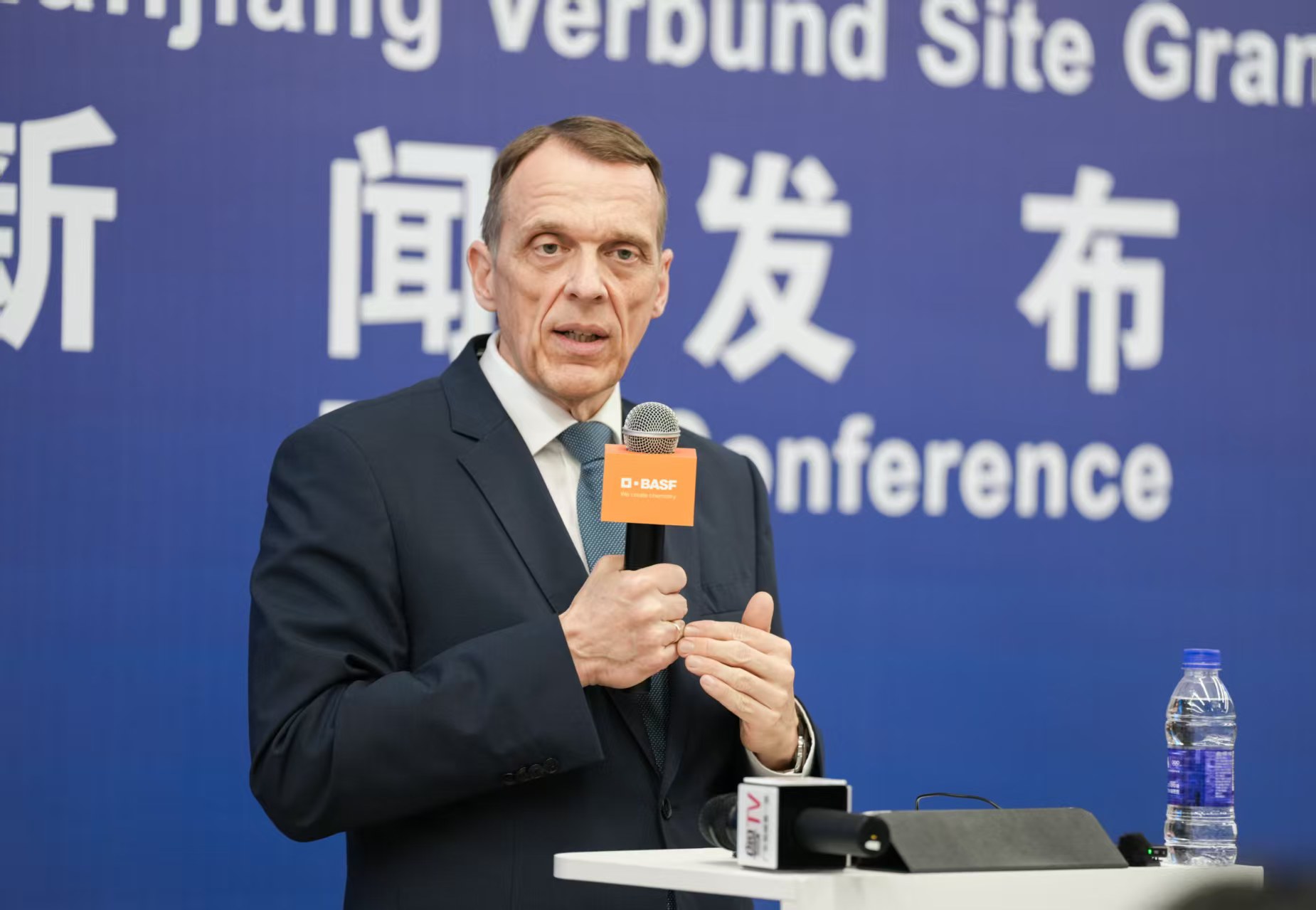
BASF’s new Verbund facility in the southern Chinese city of Zhanjiang was completed on schedule, under budget, and with top-tier safety standards, according to the company’s chief technology officer.
The goal was to develop a large-scale, highly cost-competitive site serving as a beacon for smart manufacturing and a global benchmark for sustainable chemical production. The executive expressed pride in turning this vision into reality.
Spanning four square kilometers, the €8.7 billion (roughly $10 billion) Zhanjiang Verbund has become BASF’s third-largest worldwide. It employs over 2,000 staff and produces more than 70 different products, including basic chemicals, intermediates, and specialty chemicals.
Despite significant disruptions in global supply chains during the COVID-19 pandemic, the team successfully executed the project and completed construction on time. The startup process was remarkably smooth, with the steam cracker achieving a world-record ethylene production rate, reaching specifications just nine hours after operation began.
Regarding profitability, the company anticipates the site will be loss-making this year but will become profitable in the following year. This confidence is based on the site’s advanced technologies, cost efficiencies, and continuous adjustments during the initial phases. By 2030, the goal is for the site to generate EBITDA between €1 billion and €1.2 billion (about $1.2 to $1.4 billion).
Key factors contributing to this outlook include the site’s high level of digitalization, the use of innovative technologies like electric drives replacing traditional steam turbines, and the integration of green energy sources. The site’s design incorporates waste heat recovery, alternative raw materials such as CO₂ from other processes, and a diversified portfolio of 70 products, enhancing value chain flexibility. It emits approximately 50% less CO₂ compared to conventional petrochemical plants, with emissions three to four times lower than many competitors relying on coal.
The company recognizes the growing market for greener products, which aren’t yet fully reflected in pricing. Nonetheless, the increasing demand from industries aiming to reduce their carbon footprint and transition to circular economy models offers promising growth opportunities. The firm is prepared with existing assets and innovations to support China’s dual targets of peak carbon emissions by 2030 and carbon neutrality by 2060.
Furthermore, the company’s extensive global presence—through investments across North America, Europe, and Asia—enables it to supply consistent, high-quality, and sustainable products to Chinese customers expanding abroad. This “local-for-local” strategy ensures clients receive the same standards regardless of market, providing a competitive advantage in regions with strict green regulations.
On the technological front, the firm is actively integrating artificial intelligence into operations. AI tools optimize logistics, analyze data from sensors, and detect patterns that improve plant performance, reduce energy consumption, and prevent waste. AI also accelerates research and development by streamlining laboratory experiments and product testing, promising industry-wide adoption within the next few years.
The executive sees AI as a transformative force that will become standard practice, enhancing efficiency and innovation across the chemical industry in the years ahead.
 ChatGPT
 Perplexity
 Gemini AI
 Grok AI