
Select Language:
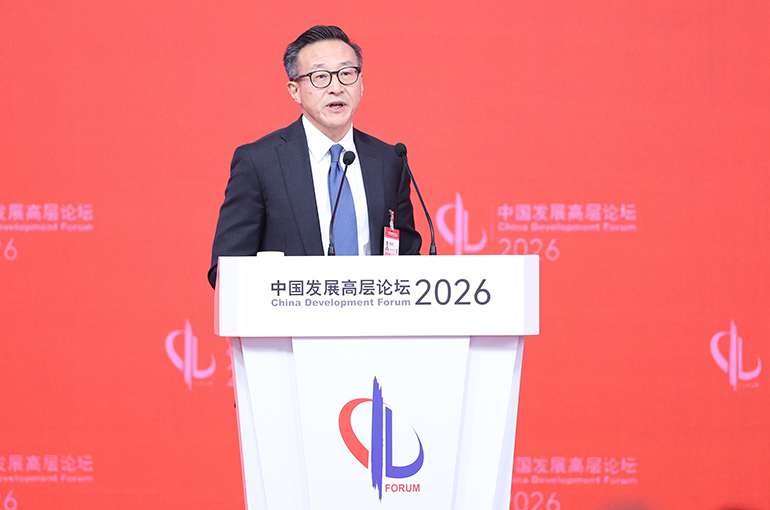
Developing artificial intelligence isn’t just about creating the most sophisticated models; its primary aim is to promote widespread adoption of AI applications for societal benefit, according to Joseph Tsai, chairman of a leading tech conglomerate.
One of China’s key strengths in AI is its dedication to an open-source strategy that benefits everyone. This approach aims to turn AI technology into a public resource by dismantling technical barriers, thereby fostering global economic development and enhancing living standards, Tsai explained at a recent forum in Beijing.
Another significant contributor to China’s AI advancement is its seamless integration with the country’s massive manufacturing sector. The extensive, fast-growing digital production network generates enormous amounts of industrial data every day, serving as essential training material for AI systems.
In recent financial reports, the company revealed that revenue from AI-related solutions has experienced triple-digit growth year-over-year for ten consecutive quarters. Looking ahead, the firm plans to boost its annual revenue from cloud computing and AI commercialization from approximately $14.5 billion USD to $100 billion USD over the next five years, as stated by the CEO during an earnings call.
Additionally, on March 16, the company announced the creation of a new AI token platform, which will be managed directly by the CEO to enhance strategic coordination across AI initiatives and speed up the execution of its AI strategies.
A key partner from another tech group also shared insights on the company’s AI approach at the same forum. He emphasized that ensuring AI fosters shared prosperity involves overcoming four major hurdles: the energy consumption driven by the rapid rise in computing power, security concerns related to models and data, ensuring AI benefits humanity genuinely, and understanding how human evolution will progress in the AI era.
The partner’s organization committed to reaching net-zero emissions by 2030 back in 2021, but the escalating energy demands of AI development have made this goal more complex. Efforts are underway to develop a sustainable computing system that reduces unnecessary token generation and decreases the energy used per valid token, supporting the company’s environmental objectives.
 ChatGPT
 Perplexity
 Gemini AI
 Grok AI