
Select Language:
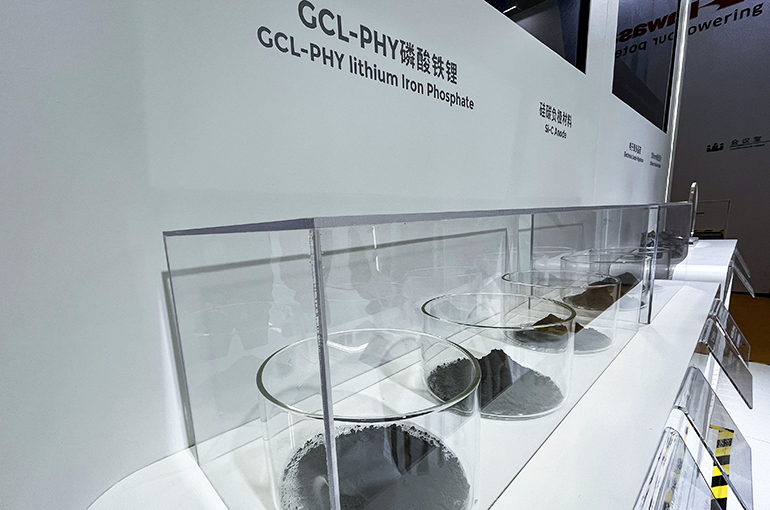
Multiple top Chinese suppliers of lithium iron phosphate (LFP) battery materials are planning to raise prices next year after enduring extended periods of losses and facing rising costs for raw materials and growing energy storage demand.
During a recent industry conference, a leading manufacturer announced that processing fees for the entire range of LFP products will be uniformly increased starting next year. Several companies have already implemented price hikes, while others are still in negotiations with their clients, according to industry insiders.
“Price hikes are now an unavoidable trend,” several companies commented, expressing that these changes will help restore profitability across the sector. The industry has been operating at a loss for over three years, with six publicly listed companies reporting an average debt-to-asset ratio of up to 68 percent, based on industry association disclosures.
Even the largest suppliers of LFP materials are earning only about CNY400 (approximately USD56.70) per ton, a rate that is not sustainable for the industry, stated Zhou Bo, secretary-general of the China Industrial Association of Power Sources’ LFP materials branch.
Faced with ongoing losses, companies have been compelled to raise prices as a form of financial rescue. Wanrun New Energy Technology, for example, reported a cumulative loss of CNY3.5 billion (around USD500 million) from 2023 through the first nine months of this year. Other firms, including Wanrun New Energy, with a loss of CNY2.7 billion; Lopal Tech, with a loss of CNY2 billion; and Anda Technology, with a loss of CNY1.6 billion, have all reported significant financial setbacks, according to data from a research firm.
Wang Zeshen, secretary-general of the China Industrial Association of Power Sources, emphasized that the industry does not oppose competition itself but rather the destructive, cutthroat kind that ignores technology, costs, and quality. Under widespread financial difficulties, promoting transparency and establishing a comprehensive standard system are seen as key strategies for breaking the impasse.
Industry representatives have called for caution against reckless expansion during this period, warning against long-term, low-price contracts that could harm the market and urging adherence to best practices to protect profit margins and the reputation of “Made in China.”
Another major factor behind the recent price hikes is the increase in raw material costs, including sulfur and sulfuric acid. An insider from an LFP materials supplier noted that whether companies purchase LFP externally or produce it internally, they are facing higher expenses—cost pressures that are expected to persist next year. As a result, passing some of these costs downstream appears to be a reasonable approach.
At the conference, many participants also highlighted that demand in the energy storage sector has exceeded expectations in the latter half of the year. Leading companies are operating at high capacity utilization rates, often exceeding their nameplate capacities, which has driven further price increases.
According to industry data, China’s exports of lithium-ion batteries grew 27 percent in the January-September period, reaching USD55.4 billion compared to the same period last year. Domestic sales of new energy vehicles now make up over 45 percent of the market, and infrastructure for energy storage has expanded by 60 percent.
 ChatGPT
 Perplexity
 Gemini AI
 Grok AI