Select Language:
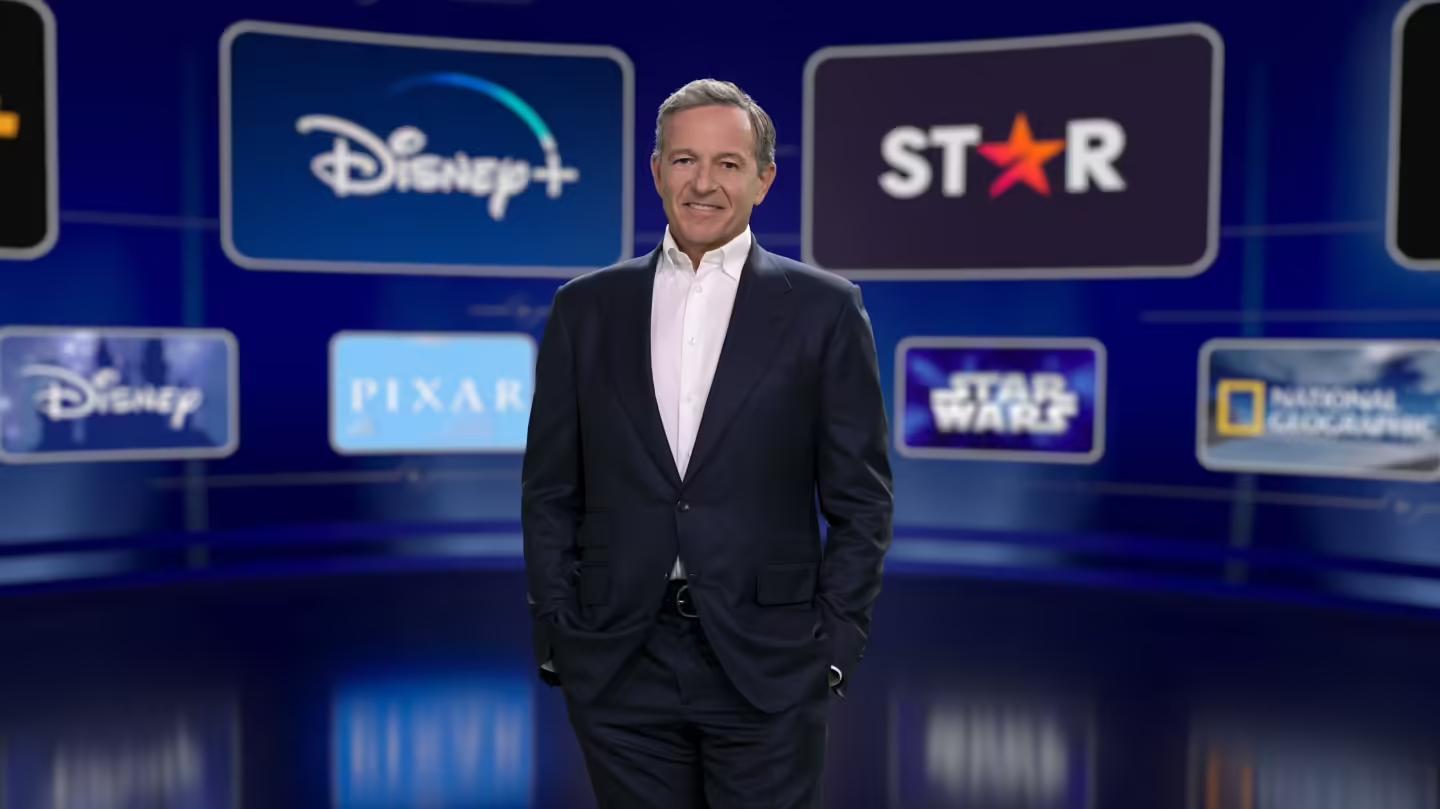
In a recent announcement, Disney CEO Bob Iger shared that the entertainment giant has entered into a significant licensing partnership with OpenAI, aiming to explore new avenues in digital entertainment and attract a younger audience. This collaboration will allow Disney to leverage advanced AI technology, fusing beloved characters like Mickey Mouse and Darth Vader into innovative digital experiences.
Under the terms of the agreement, Disney’s iconic characters will be integrated into AI-powered tools such as ChatGPT and Sora. Additionally, Disney has committed to a substantial investment of $1 billion in OpenAI, becoming one of its key clients in the process.
Last night, Iger was seen alongside OpenAI CEO Sam Altman, discussing the strategic importance of this venture. Iger emphasized that the partnership positions Disney to stay ahead of the curve amid the rapidly expanding AI and digital media landscapes. Beyond technological innovation, Disney aims to incorporate user-generated content into its Disney+ platform. The plan involves initially featuring videos produced through Sora—an AI platform—in Disney+ to promote user interaction, with future ambitions allowing viewers to create and upload their own videos directly within the streaming service. Iger described this as a “crucial step” for Disney, highlighting the company’s proactive approach to technological change.
Historically, Disney has been steadfast in protecting its intellectual property, maintaining tight control over its characters and stories. Iger, seen as a defender of creative rights in Hollywood, acknowledged that despite this caution, the company faces challenges. For years, streaming platforms have struggled to grow viewer engagement significantly, even as content investments continued to rise. Simultaneously, social media and user-generated content have surged, prompting Disney to explore new ways to keep audiences engaged through technology.
Disney’s strategic move to embrace AI reflects a desire to adapt and innovate rather than remain passive. Iger indicated that by actively engaging with emerging technologies, Disney aims to influence its future direction and avoid falling behind trends. The collaboration also opens doors for Disney to tap into the booming short-form video market on social platforms, driven by user-generated content. Altman noted that demand from Disney characters on OpenAI’s tools is “remarkably high,” envisioning scenarios where users could, for instance, insert themselves into a lightsaber duel from Star Wars or create personalized birthday videos featuring Buzz Lightyear.
While concerns linger over AI’s impact on creative industries—particularly regarding copyright issues and alteration of traditional workflows—Iger reassured stakeholders that Disney’s partnership with OpenAI is built on respect for IP rights. The agreement reportedly excludes the use of actors’ likenesses or voices and incorporates safeguards to ensure Disney’s intellectual property remains protected.
Overall, this development signals Disney’s commitment to staying at the forefront of technological innovation, blending its rich storytelling heritage with cutting-edge AI advances to forge new entertainment experiences for a digital-first generation.
 ChatGPT
 Perplexity
 Gemini AI
 Grok AI