

Select Language:
Using algorithms and intelligent sensors, this innovation makes cycling smoother and safer, eliminating the need for riders to constantly think about safety or effort.
At the EUROBIKE 2026 trade show in Frankfurt, a man walks past a display of bikes at a booth. PHOTO: Kirill Kudryavtsev / AFP
Artificial intelligence, long a staple in cars and smartphones, is now making its way into the cycling industry, impacting everything from electric motors to safety features and rider services.
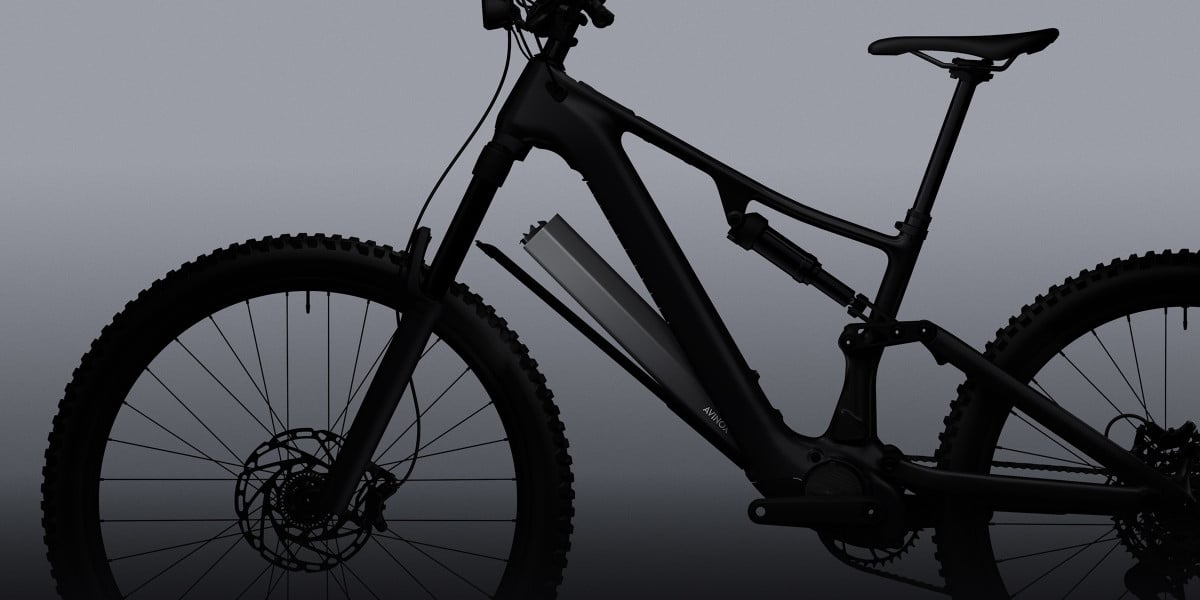
At Avinox’s booth, a company specializing in electric bicycle motors, technology rooted in the DNA of their parent firm and Chinese drone powerhouse DJI is being adapted for cycling. The showcased motor is equipped with sensors that constantly monitor the rider’s activity and the terrain, allowing AI to automatically fine-tune the motor’s support based on these conditions.
Ferdinand Wolf, an Avinox developer, explained that this setup makes biking “easier and safer without requiring the rider to think about it.” The system even enables riders to share their real-time heart rate data, prompting the e-bike motor to adjust assistance dynamically based on their physical state.
Safety Alerts
Beyond comfort, there’s technology focused on protecting cyclists and preventing accidents.
Germany’s Canyon unveils a racing bike fitted with cameras and radars that aim to alert riders to hazards they might not see. According to company spokesperson Ben Hilldson, the system can detect things like a parking car or an opening door, giving the cyclist advance warnings.
Riders are notified through visual cues on the bike frame, vibrations through the handlebars, or audio signals delivered via specialized helmets. Canyon is also showcasing a helmet with a large visor that can display real-time alerts or send audio signals based on user preferences.
Most of these prototypes are still in testing, Hilldson noted, but the company is also collaborating with Volkswagen on a communication system designed to enable bikes to interact with nearby vehicles and infrastructure—expected to launch in about three years. The main challenge remains that most current vehicles are not yet equipped to communicate such data.
Connected Networks
Artificial intelligence is also transforming services within the cycling ecosystem. At insurer Linexo, approximately 90% of claims are projected to be handled automatically by the end of the year, according to head of the bike division, Soeren Hirsch.
This automation manages routine claims, while more complex cases, including fraud detection, are reviewed by experts, helping to keep insurance costs stable. Meanwhile, startup Wunderfix offers a platform connecting repair shops, riders, and retailers through an app that allows cyclists to diagnose and potentially fix their bikes on their own.
So far this year, Wunderfix reports around 3,000 service requests. The emergence of AI-powered and smart bikes is raising hopes for a resurgence in the industry.
However, the European bicycle market experienced its third consecutive decline in 2025, with sales falling by 4% to 15.2 million units, according to EY-Parthenon analysts. Constantin Gall, an expert at the firm, explained that after a pandemic-related boom, the sector has faced a tough period of consolidation since 2023, marked by declining sales, high inventories, and intense pricing pressure.
Despite this, a market stabilizing phase is anticipated this year, with projections indicating a gradual rebound. By 2031, revenue is expected to reach around €21.2 billion—comparable to the record-breaking sales seen in 2022.
Alongside infrastructure improvements, the report highlights that “digital and data-driven offerings” will be key drivers of growth in the cycling industry.
 ChatGPT
 Perplexity
 Gemini AI
 Grok AI