
Select Language:
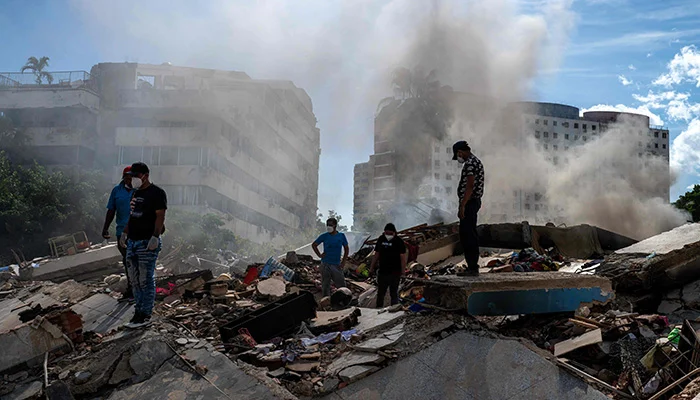
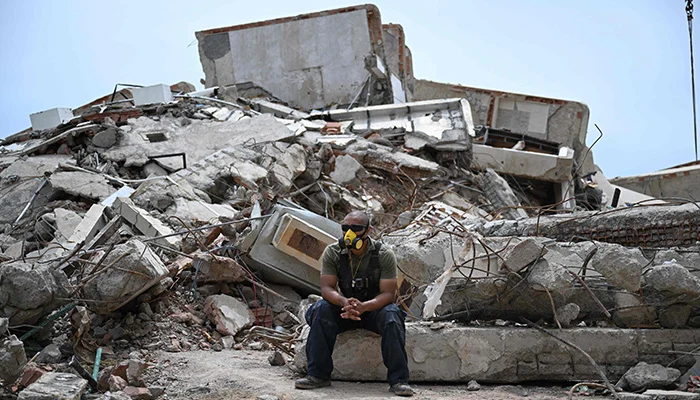
A volunteer takes a break beside debris in La Guaira, Venezuela, on July 4, 2026, after the twin earthquakes that struck on June 24. — AFP
– Tens of thousands remain unaccounted for following the devastating twin quakes.
– Over 16,000 people are still homeless across the impacted regions.
– Hospitals are under increasing pressure amid fears of a potential disease outbreak.
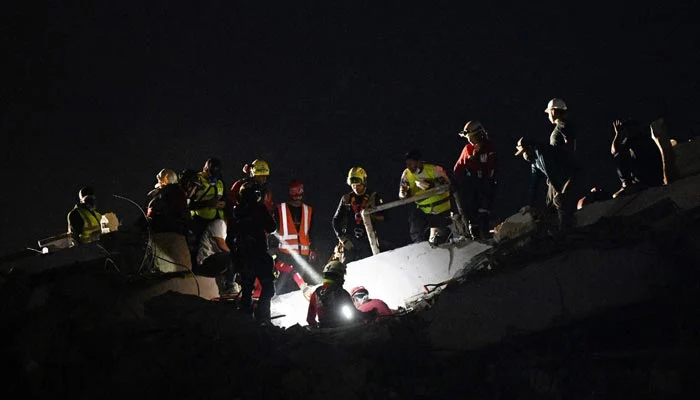
Venezuela’s catastrophic twin earthquakes have resulted in nearly 3,000 deaths, according to official reports released Saturday, as international rescue teams begin to wind down efforts to find survivors amid the rubble.
The death toll has risen by more than 300 since Friday, reaching 2,954, after the June 24th tragedy that displaced thousands onto the streets and into shelter camps.
A large number of individuals are still missing.
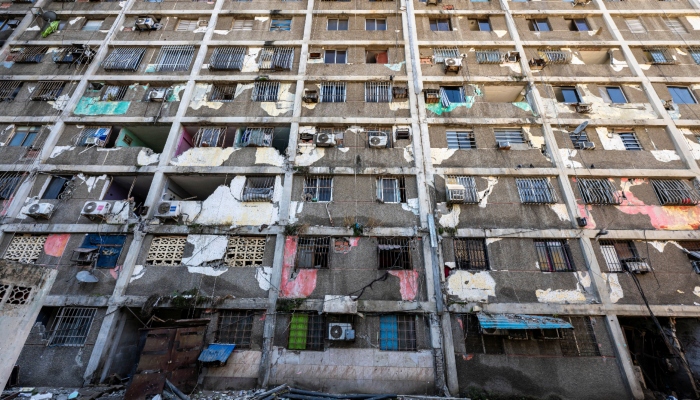
The hardest-hit area is La Guaira, a coastal region north of Caracas, where numerous residential buildings have been destroyed.
Ten days after the magnitude 7.2 and 7.5 double shocks, rescue crews are starting to conclude their search for survivors, although families continue to search the debris for loved ones’ remains.
The critical rescue window for earthquakes usually closes after 72 hours, yet a few survivors have been found in recent days.
In what appears to be a sign that rescue efforts are winding down, interim President Delcy Rodriguez held a ceremony to award medals to international teams, including some to their rescue dogs.
Venezuela is experiencing profound grief, with families still clinging to hope of finding loved ones alive, despite losing everything, Rodriguez stated.
Teams from around South America and some U.S. squads are finishing their rescue operations, according to team members.
The Los Angeles County fire crew has completed its mission after no additional signs of life were found, and teams from Florida and Virginia are preparing to leave this weekend.
Many Venezuelans are angry over what they perceive as the government’s sluggish response, saying families spent the initial hours trying to rescue loved ones themselves before international aid arrived.
Rodriguez defended her government’s actions, stating that thousands of troops and officials have been sent to the affected areas.
In La Guaira, workers with heavy machinery began demolishing collapsed structures Saturday, while families continued to extract bodies for funerals.
“We’re still working, still searching for bodies. We’re still going. It hasn’t been easy,” said Francisco Sasquia, a Venezuelan volunteer assisting in the recovery efforts.
“We’ve already given two bodies to their families.”
Over 16,000 people have lost their homes in the quakes, and hospitals are overwhelmed, raising concerns about the risk of disease outbreaks.
Victor Colivert is focused on staying by his nephew’s body, recovered from the wreckage and now placed in a black body bag.
He fears losing it amid the chaos and prevented forensic workers from removing the body.
“If I need to go to China, or anywhere else, I won’t leave him alone,” he said. “I’m staying with him.”
 ChatGPT
 Perplexity
 Gemini AI
 Grok AI