Select Language:
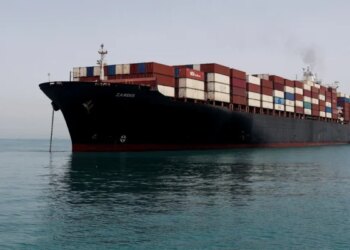
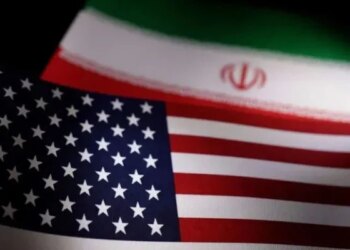
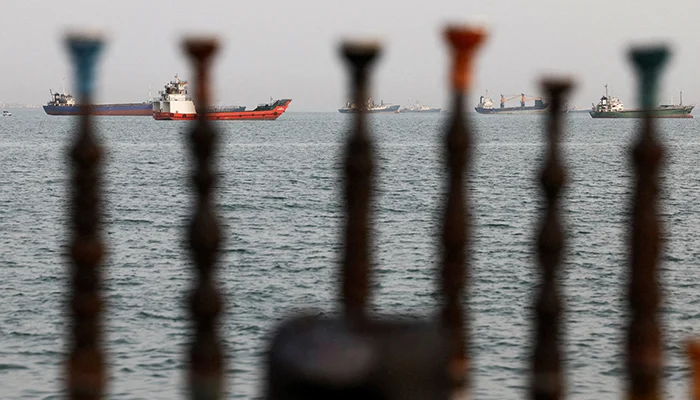
More than three months after the U.S. and Israel initiated hostilities against Iran, new optimism is rising that the conflict could be nearing its conclusion. The ongoing war has not only impacted the nations involved but has also sent ripples throughout the global economy. The shutdown of the Strait of Hormuz caused oil prices to soar to record highs, fueled inflation, and slowed economic growth around the world.
Pakistan, serving as a key mediator, has stepped up diplomatic efforts, with Interior Minister Mohsin Naqvi and Army Chief Field Marshal Asim Munir visiting Iran recently. Following these diplomatic moves, former President Donald Trump indicated that Washington and Tehran have made significant progress, with “largely negotiated” a memorandum of understanding aimed at reopening the strait.
Details about the potential agreement are slowly emerging, shedding light on possible steps toward ending the conflict:
– Axios reports that the U.S. and Iran are close to signing a deal that includes a 60-day extension of a ceasefire.
– During this period, the Strait of Hormuz would be reopened.
– Iran would have the freedom to sell oil without restrictions, and negotiations on curbing Iran’s nuclear program would be underway.
– The Strait would be open without tolls, and Iran would agree to clear mines it placed to facilitate safe passage for ships.
– In exchange, the U.S. would lift sanctions on Iranian ports and issue waivers to allow Iran to sell oil more freely.
The Iranian news agency Tasnim highlights that the potential memorandum of understanding (MoU) would include:
– U.S. sanctions on Iranian oil being waived.
– Emphasis on ending hostilities across all fronts, including Lebanon.
– A 30-day window for protocols related to the Strait and the end of the blockade.
– A 60-day timeline for nuclear negotiations.
– Iran has not yet committed to any specific actions regarding its nuclear program.
– Part of Iran’s frozen assets would be released in the initial phase, contingent upon the agreement’s terms.
– The release mechanism for remaining assets would be defined during negotiations.
– If a deal is reached, the Strait will not revert to pre-war conditions immediately, but the number of ships passing through will return to normal within 30 days.
– Iran underscores its sovereignty over the Strait and plans to assert control in various unspecified ways, to be announced later.
– The complete lifting of the naval blockade is expected within 30 days; failure to do so means no change in the Strait’s status.
– Passage conditions will depend on the U.S. fulfilling other commitments outlined in the agreement.
– A withdrawal of U.S. forces from Iran’s vicinity is also emphasized by Tehran.
– Negotiations remain stalled on a few clauses, with some sources warning that obstacles from the U.S. side may prevent a final agreement.
 ChatGPT
 Perplexity
 Gemini AI
 Grok AI