
Select Language:
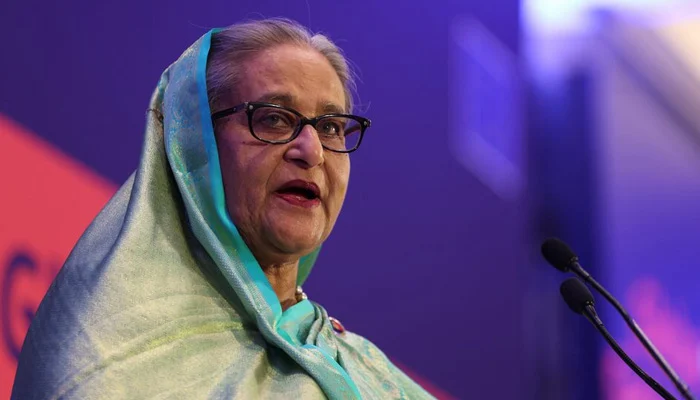
Bangladeshi ex-premier Sheikh Hasina, who faces a death sentence at home where her party is banned, told Reuters she and top party members intend to return from exile in India around December and surrender voluntarily. The longest-serving leader of Bangladesh said she and her Awami League colleagues plan to come back on their own and appear before the court, challenging the country’s handling of its most prominent political rival.
A return could intensify political tensions in the nation known for its garment exports, as the Dhaka government seeks stability after two years of turmoil. Conversely, it might help mend the strained relationship with India, which worsened after New Delhi hosted her. Bangladesh has repeatedly urged India to extradite her.
She revealed she has not discussed her plans with any foreign government and has not set a specific date for her return. She expects to surrender herself, or believes other exiled Awami League leaders will do so. Among them, former Home Minister Asaduzzaman Khan Kamal also faces a death sentence, but Reuters could not reach other party members or verify their whereabouts.
“The authorities in Dhaka want to bring me back—they keep sending letters to India requesting my return,” she said. “I will go myself.”
The Bangladeshi government did not respond to requests for comment on her statements, nor did India’s foreign ministry, which in April said it was reviewing Bangladesh’s extradition request and aimed to strengthen bilateral relations.
Once a champion of democracy, Hasina has been a dominant figure in Bangladesh for nearly half a century, rising to prominence after her father, an independence leader, was assassinated along with much of her family in a military coup. She initially fought for democracy and was praised for her economic progress, but her prolonged rule has faced accusations of silencing dissent and dismantling democratic institutions—charges she denies. According to a UN report, her crackdown resulted in up to 1,400 deaths.
“Cases have been filed against almost all our leaders and members, and many are in hiding,” she told Reuters from her exile in Delhi. “I’ve decided to return home, and one day, all of you should come back too. We will all surrender in court together.” She declined to specify when she would return or surrender, but emphasized her faith in justice, suggesting that once proceedings begin, the court’s integrity will be questioned, and she wishes to demonstrate that.
Many Awami League members have faced arrests, legal action, and violence since her government was ousted. She said she has not maintained contact with Dhaka over her return plans and emphasized that democracy, voting rights, and justice are not topics to be negotiated secretly. She expressed no fear of imprisonment, recalling her multiple past arrests—including during her early political activism after her father’s death, her detention in 2007 on corruption charges, and her repeated imprisonments during military rule—believing that the people should be the ultimate judges of her leadership.
After her exile ending in 1981, she was detained several times during anti-military campaigns, and in 2007, she was jailed before winning elections in 2008. Her current flight was prompted by threats against her life when crowds approached her residence.
“When a government serves a long time, mistakes happen—no government is perfect,” she said. “But the judgment belongs to the people. That’s why I leave it to them.” She also noted her efforts to reorganize the Awami League through online meetings across Bangladesh’s parliamentary constituencies.
“Even if I can’t participate in elections anymore, why should the party be suspended? If we’ve done poorly, let the people decide,” she added.
 ChatGPT
 Perplexity
 Gemini AI
 Grok AI