Select Language:
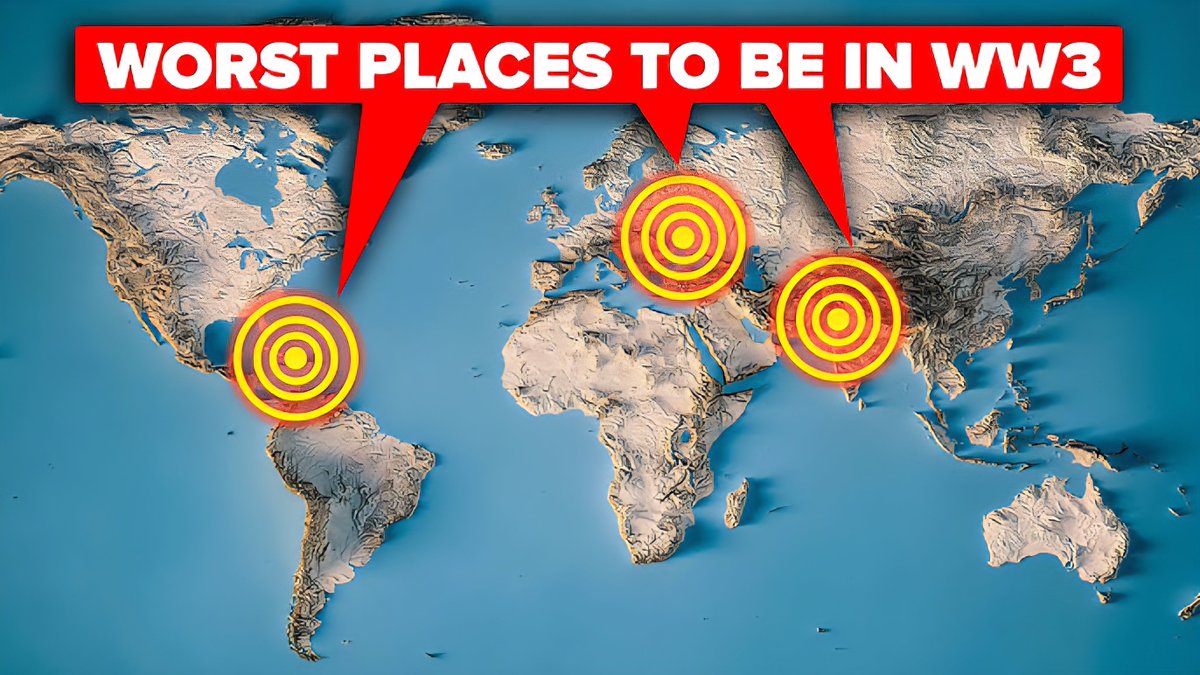
The Most Vulnerable Places on Earth If World War III Erupts in 2025
-
United States
As a global superpower with extensive military forces, nuclear capabilities, and critical international alliances, the U.S. remains a prime target in any large-scale conflict. Its numerous military bases worldwide and vital trade routes make it a strategic hub that enemies would prioritize. Cities like Washington D.C., New York, and Los Angeles could face targeted missile strikes, especially if nuclear exchange becomes imminent or unavoidable.
-
Russia
wielding one of the world’s largest nuclear arsenals, Russia’s military is heavily positioned for a potential global conflict. Its vast landmass, strategic military installations, and political influence make Moscow, St. Petersburg, and military bases across Siberia likely focal points of any military confrontation. The ongoing tensions in Eastern Europe and other regions further escalate the risk of direct conflict with NATO nations.
-
China
Home to the world’s largest population and a rapidly expanding military, China’s strategic locations in the South China Sea, Taiwan, and its borders with India and Russia make it a critical player in any future war. An escalation involving China could lead to widespread missile exchanges, especially targeting U.S. allies in the Pacific region like Japan and Taiwan.
-
India
With its growing military power and nuclear capabilities, India faces significant risk should tensions with neighboring Pakistan or China escalate into a full-scale conflict. Key cities such as New Delhi, Mumbai, and strategic military sites along its borders could be at risk of attack.
-
Pakistan
A nuclear-armed nation embroiled in complex regional rivalries, Pakistan’s strategic importance increases if a wider conflict ensues. Its proximity to India and involvement in regional conflicts could draw it into global warfare, making cities like Islamabad and Karachi highly vulnerable.
-
Israel
Due to ongoing regional tensions and its nuclear ambiguity, Israel remains a strategic flashpoint. Its small geographic size and pivotal role in Middle Eastern diplomacy would likely make it a primary target in regional or global conflict scenarios. Airstrikes and cyber warfare could target its military and critical infrastructures.
-
Iran
As a major regional player with significant nuclear ambitions, Iran’s strategic geographical position in the Middle East makes it vulnerable to both conventional and nuclear strikes. Involvement of global powers could lead to widespread conflict across the Middle East.
-
North Korea
With its unpredictable military posture and nuclear weapons, North Korea would be high on the list of potential targets. Its border with South Korea and proximity to U.S. allies in the region could result in catastrophic military exchanges.
-
South Korea
Positioned between North Korea and China, South Korea faces an existential threat in any Korean conflict. Major urban centers like Seoul could be targeted by missile attacks or cyber warfare in a war involving the Korean Peninsula.
-
Taiwan
Considered a crucial geopolitical flashpoint, Taiwan’s strategic importance in global chip manufacturing and its tense relationship with China make it highly vulnerable during a global conflict. An invasion or missile strikes could devastate its densely populated cities.
-
Japan
As a key U.S. ally with advanced technology and military assets in the Pacific, Japan’s major cities, including Tokyo and Osaka, would face significant threats from missile launches or cyber attacks. Its proximity to tension hotspots in Asia heightens its risk.
-
United Kingdom
A NATO member with nuclear capabilities, the UK’s strategic position ensures it would be targeted early in a global conflict. London, military bases across the country, and its overseas territories are potential targets.
-
France
With nuclear weapons and a significant military presence, France’s major cities like Paris could become targets for missile strikes. Its part in NATO and its strategic overseas territories further elevate its vulnerability.
-
Germany
As Europe’s economic and military powerhouse, Germany’s industrial hubs, Berlin, and key military bases would likely be targeted in a comprehensive global war due to its alliance commitments and central location in Europe.
-
Ukraine
A recent conflict hotspot, Ukraine’s strategic position in Eastern Europe makes it highly susceptible to further escalation. Cities like Kyiv and military infrastructure could be involved in wider conflict.
-
Poland
As a NATO member bordering Ukraine and Belarus, Poland’s military bases and major cities like Warsaw would be frontline targets in any European conflict scenario, especially as tensions escalate.
-
Turkey
Sitting at the crossroads of Europe and Asia, Turkey’s military bases and strategic choke points like the Bosporus Strait could be critical in global warfare, making it highly susceptible to attacks.
-
Syria
With ongoing regional conflicts and active insurgencies, Syria’s destabilized infrastructure and political climate could make it a battleground in a greater global war.
-
Iraq
A center of regional instability and conflict, Iraq’s oil infrastructure and military sites could be targeted in widespread conflicts involving Middle Eastern nations.
-
Saudi Arabia
As a major oil producer and strategic ally to Western nations, Saudi Arabia’s oil fields and economic infrastructure risk targeted strikes, potentially during global conflicts over energy resources.
-
United Arab Emirates
A vital global trade hub with significant oil reserves and a strategic position in the Persian Gulf, the UAE could become a target for retaliatory strikes or destabilization efforts.
-
Qatar
An important geopolitical player with vast natural gas reserves, Qatar’s strategic location and economic infrastructure would make it a key target in high-intensity warfare.
-
Italy
Located in Europe’s Mediterranean, Italy’s military bases and maritime routes in the Mediterranean could be crucial targets if the conflict expands.
-
Canada
A close NATO ally with extensive military resources, Canada’s northern territories and cities like Ottawa could face cyber warfare or missile threats in a global crisis.
-
Australia
Due to its strategic alliances and location in the Indo-Pacific region, Australia’s key cities like Sydney and military installations could be involved in conflict scenarios, especially if tensions extend into the Indo-Pacific.
-
Panama
Its strategic position controlling the Panama Canal makes Panama critical in terms of global shipping routes. In wartime, control over this artery could be fiercely contested.
-
Egypt
As a gateway between Africa and the Middle East, Egypt’s strategic Suez Canal and military bases could be targeted in a broader conflict.
-
Singapore
Its status as a regional trade hub and military base makes Singapore vulnerable in a global war, especially involving maritime and cyber warfare.
-
Netherlands
With key ports and NATO bases, the Netherlands could be targeted for its strategic position in Europe.
-
Belgium
Host to NATO headquarters, Belgium’s major cities and military installations would be heavily involved in any European conflict.
Note: These nations are listed based on a combination of military strength, nuclear capabilities, strategic importance, active conflicts, and alliances driving their vulnerability in a hypothetical global war in 2025.
Source: Independent analysis considering military power, nuclear arsenals, strategic trade routes, and regional conflict zones.
 ChatGPT
 Perplexity
 Gemini AI
 Grok AI