
Select Language:
The Future of the Two-State Solution: Key Elements Shaping the Path Forward
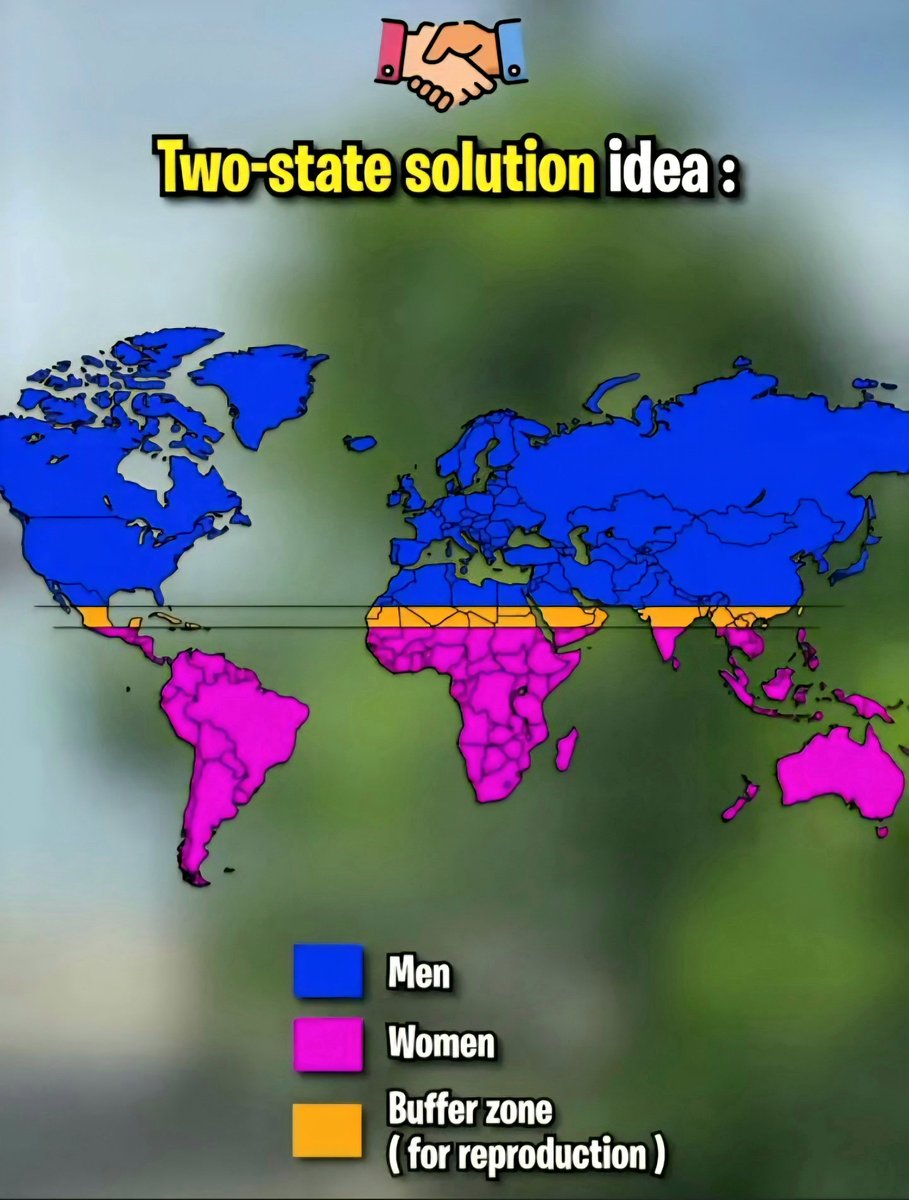
1. Inclusive Leadership: Men and Women in Negotiation Tables
Progressing towards a sustainable two-state solution requires diverse representation, especially emphasizing the roles of both men and women in peace negotiations. Historically, diplomatic talks have often been male-dominated, which sometimes hindered comprehensive understanding and acceptance from all facets of society. As we advance in 2025, there’s a growing recognition of the importance of gender inclusivity in peace processes.
Effective inclusion ensures that a broad spectrum of voices, particularly those representing the perspectives of women, contributes to shaping policies. Women’s participation has been linked to more durable peace agreements, making their involvement crucial in crafting future-oriented solutions for Israeli-Palestinian tensions. This shift not only fosters equality but also enriches the negotiations with diverse insights and ideas, ultimately bringing the parties closer to a lasting peace.
2. The Buffer Zone: A Critical Reproductive and Security Area
A key concept gaining traction in the ongoing talks is the designated buffer zone—an area designed to serve multiple purposes, including security and fostering future community growth. This zone acts as a pragmatic dividing line intended to prevent accidental or deliberate escalations and ensure safe coexistence.
Beyond its security role, this buffer zone could act as a space for social and biological continuity, supporting the reproductive needs of the populations on both sides. In essence, it provides a neutral ground where life can flourish without the immediate threat of conflict, promoting coexistence rather than division. As discussions in 2025 intensify, the concept of a buffer zone embodies a strategic compromise—balancing sovereignty, safety, and the right to reproduce and thrive in peace.
3. Acknowledging the Environmental Dimension: Sustainable Coexistence
Environmental concerns are increasingly intertwined with political resolutions, especially in regions with sensitive ecosystems. A two-state solution in the current year emphasizes environmental sustainability in its core framework.
Efforts focus on managing shared water resources, preserving arable land, and protecting natural habitats spanning the borders. Creating cooperative environmental initiatives could serve as confidence-building measures, easing tensions and fostering collaboration. Recognizing climate change’s impact on the region’s stability, leaders propose joint projects such as renewable energy developments and water conservation programs—making environmental stewardship a pillar of long-term peace.
4. Implementing Grassroots Engagement and Community Networks
While high-level negotiations often make headlines, grassroots engagement remains essential for durable peace. This approach involves empowering local communities through participatory initiatives that foster mutual understanding and trust.
In 2025, various community-led programs aim to bridge divides, promote joint ventures, and facilitate cultural exchanges. These grassroots movements are vital for translating treaty promises into everyday realities, ensuring that peace is not merely an abstract political goal but a lived experience for ordinary citizens. Building social cohesion at the community level can create resilient networks that support and uphold the legal and diplomatic frameworks established at higher levels.
5. Technological Innovations to Bridge Communication Gaps
The ongoing conflict has historically been complicated by communication breakdowns and misinformation. Leveraging cutting-edge technology has become a pillar of modern peace-building strategies.
In 2025, digital platforms, AI-driven translation services, and secure communication channels are increasingly used to facilitate dialogue, share information transparently, and dispel rumors. They enable real-time negotiations and community engagement, making dialogues more accessible and efficient. By harnessing technology, stakeholders can foster trust and maintain momentum toward a two-state solution, even amid geopolitical uncertainties.
6. The Role of International Mediators and Support
No significant peace process in 2025 happens in isolation. International mediators, international organizations, and allied nations continue to play a pivotal role. Their involvement lends credibility, provides diplomatic support, and helps mediate complicated disputes.
Efforts extend beyond traditional diplomacy, including economic incentives and development aid, to encourage compliance and foster mutual investment. This external backing demonstrates a collective commitment to achieving a peaceful resolution, emphasizing that the Israeli and Palestinian peoples are not alone in their pursuit of stability and prosperity.
As negotiations continue into 2025, the emphasis on inclusivity, environmental sustainability, grassroots activism, technological innovation, and international support underscores the complexity and hope surrounding the two-state solution. While challenges persist, these strategic elements reflect a multifaceted approach aimed at fostering a peaceful coexistence rooted in mutual respect and shared future aspirations.
 ChatGPT
 Perplexity
 Gemini AI
 Grok AI